
Looking polished without seeming preoccupied with clothes is harder than it sounds. Sprezzatura names that balance between skill and ease. For American men, it offers an alternative to stiffness and sloppy casual dressing.
The idea began in Renaissance Italy, but its value still feels modern. It rewards fit, familiarity, restraint, and personal confidence. You can apply the philosophy to tailoring, denim, knitwear, or business-casual clothes.
Direct answer: Sprezzatura is the Italian ideal of making skill look natural and unforced. In menswear, it means dressing well without looking overly arranged. Good fit, familiar clothes, relaxed tailoring, and one personal detail create the effect. The goal is ease, not deliberate messiness, costume-like quirks, or visible effort.
| Key point | What it means for your wardrobe |
|---|---|
| Core idea | Look well dressed without displaying the work behind it. |
| Historical origin | Renaissance court culture and The Book of the Courtier |
| Modern menswear use | Relaxed tailoring, natural styling, and personal details |
| Best foundation | Good fit, quality basics, and clothes you wear often |
| Useful settings | Offices, dates, dinners, travel, weddings, and weekends |
| Biggest mistake | Adding obvious quirks merely to appear effortless |
Where the Idea Comes From
Baldassare Castiglione introduced the term in The Book of the Courtier, first printed in Venice in 1528. His rule centered on avoiding affectation and hiding visible effort. The original concept concerned behavior, speech, movement, and dress rather than fashion alone.
Modern menswear later narrowed the idea toward clothing, especially relaxed Italian tailoring. Current fashion writing still places apparent effortlessness at its center. Established style guides also warn that forced imperfections can quickly look calculated.
That distinction matters because the philosophy is often misunderstood. An undone button or crooked tie does not create natural elegance by itself. The strongest version starts with competence, then removes signs of excessive control.
How Sprezzatura Works in Modern Menswear
Good style comes first, while nonchalance comes second. Your jacket still needs sensible proportions, and your trousers still need appropriate length. Relaxation looks convincing only when the foundation already works.
That makes the concept different from careless dressing. Wrinkled clothes, damaged shoes, and poor fit usually look neglected. Intentional ease keeps the outfit coherent while removing unnecessary perfection.
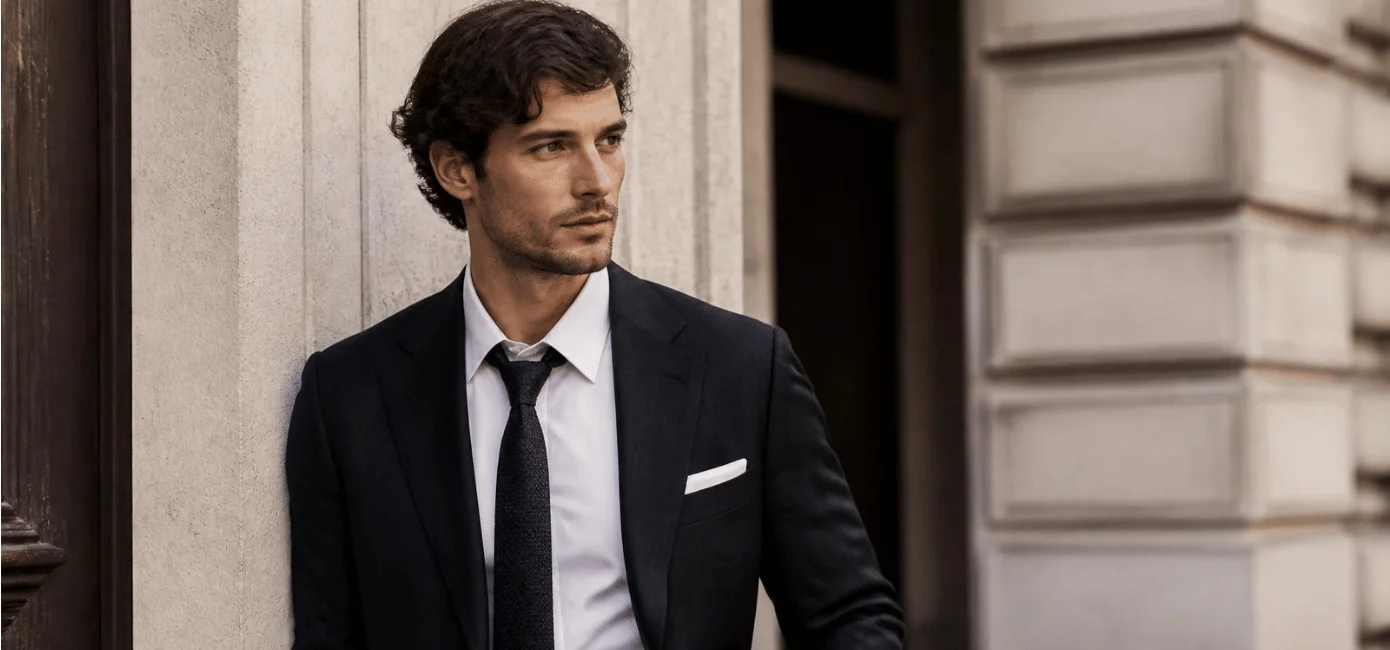
A useful rule is to allow one visibly relaxed move per outfit. That could mean soft tailoring, an open collar, or casually rolled sleeves. Several deliberate quirks together often make the styling feel staged.
If your fundamentals need work, start with StudioStylee’s guide to men’s fashion styles. Build dependable outfits before experimenting with imperfections. Familiarity makes relaxed dressing feel more natural.
Seven Rules for Looking Effortlessly Well Dressed
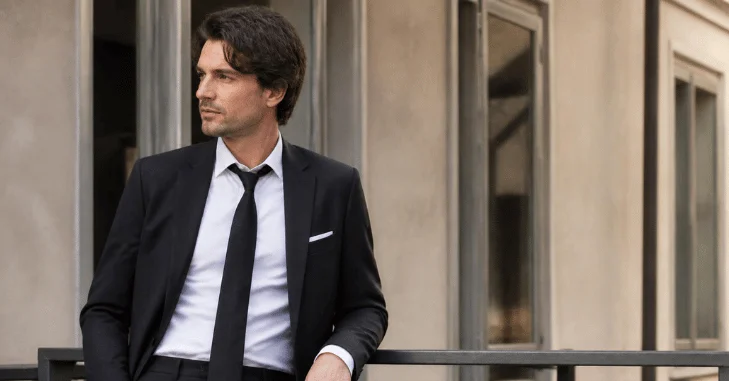
- Start with fit. Shoulders, sleeves, and trouser length should look intentional. Relaxed styling cannot rescue clothing that fits poorly.
- Choose softer tailoring. Unstructured jackets and lighter fabrics feel less rigid. They also pair naturally with knitwear, polos, and casual footwear.
- Wear clothes often enough to know them. Familiar pieces are easier to combine without hesitation. A dependable wardrobe reduces visible fussing.
- Mix formality carefully. Try tailored trousers with a knit polo or loafers with relaxed linen. One contrast usually creates enough personality.
- Keep colors controlled. Navy, cream, olive, brown, gray, and white make combinations easier. Add stronger color only when it supports the outfit.
- Use accessories with restraint. A watch, scarf, textured tie, or pocket square can add character. Too many focal points create visual competition.
- Stop before the outfit feels styled. Remove one unnecessary detail after getting dressed. Restraint often creates more confidence than another accessory.
These principles overlap with smart casual, but the goals differ slightly. Smart casual describes a dress-code balance between polished and relaxed clothing. The Italian philosophy describes how naturally you appear to wear whatever you choose.
StudioStylee’s smart casual menswear guide can help with that dress code foundation. Use those combinations as dependable starting points. Then personalize them through texture, proportion, or one relaxed detail.
Outfit Ideas for Everyday Life in the U.S.
American wardrobes often move between casual and polished settings during one day. That makes this approach practical for offices, restaurants, travel, and social events. You do not need an Italian suit or luxury labels.
| Setting | Outfit foundation | Relaxed detail | What to avoid |
|---|---|---|---|
| Creative office | Navy blazer, Oxford shirt, chinos, loafers | Open collar | Multiple loud accessories |
| Date night | Knit polo, tailored trousers, suede shoes | Soft jacket or no belt | Overly formal business styling |
| Weekend lunch | Linen shirt, straight jeans, loafers | Rolled sleeves | Deliberately messy clothing |
| Summer wedding | Lightweight suit, dress shirt, loafers | Open collar when appropriate | Heavy fabrics and excessive jewelry |
| Travel day | Knit shirt, relaxed trousers, clean sneakers | Unstructured outer layer | Wrinkled or damaged pieces |
For warmer states, linen, cotton, tropical wool, and lightweight knits keep tailoring comfortable. Colder regions allow heavier wool, suede, textured coats, and layered knitwear. The same principle works because ease matters more than a specific uniform.
A practical wardrobe also prevents excessive styling decisions. StudioStylee’s wardrobe essentials checklist covers useful foundational pieces. Choose staples that can move between casual and polished combinations.
Why Personal Style Matters More Than Copying Italian Details
Copying a famous man’s signature habit misses the central idea. His watch placement or unusual tie may have suited his habits naturally. Repeating that detail only because it looks unconventional can feel theatrical.
Personal style develops through repetition and preference. You learn which collars, trousers, colors, shoes, and proportions feel comfortable. Those choices eventually require less conscious adjustment.
This is where many online examples become misleading. Photographs highlight unusual details because unusual details attract attention. Everyday ease is quieter and often looks less dramatic in a single image.
For more ideas about balancing clothing across different situations, read StudioStylee’s practical men’s fashion guide. Use inspiration to discover preferences rather than copy complete outfits. Your wardrobe should eventually feel familiar enough to wear without constant checking.
Common Mistakes That Make Effortless Style Look Forced
The first mistake is treating imperfection as a checklist. Leaving cuffs undone, misaligning ties, and flipping collars together rarely looks accidental. One personal deviation usually communicates more confidence.
The second mistake is confusing relaxed clothing with oversized clothing. Looser silhouettes can work, but proportion still matters. Balance a generous piece with cleaner structure elsewhere.
Another problem is buying statement pieces before building reliable basics. Distinctive clothes become harder to combine when your foundation is weak. Neutral trousers, useful shirts, versatile shoes, and dependable outerwear create more options.
Finally, avoid performing indifference toward your appearance. Caring about fit and fabric does not contradict effortless style. The goal is to hide unnecessary fuss, not abandon standards.
How to Build the Look Without Buying a New Wardrobe
Start with clothes you already wear regularly. Identify combinations that feel comfortable before adding new pieces. Familiarity is one of the easiest routes toward natural confidence.
Next, improve one foundational issue that limits your outfits. Tailoring a jacket or hemming trousers may change several combinations at once. Better proportions usually produce more value than another trend-driven purchase.
Then test one small contrast. Pair a fine knit with tailored trousers, or wear loafers with dark denim. Keep everything else quiet while you judge the result.
Take a quick mirror check before leaving home. Remove anything that feels unnecessarily arranged or distracting. The finished outfit should feel like clothing you can forget about.
Frequently Asked Questions
What does sprezzatura mean in fashion?
It describes a polished style that appears natural rather than heavily arranged. The wearer understands the rules but does not display every ounce of effort. Fashion is only one modern application of the older Renaissance idea.
How do you pronounce the word?
A common American pronunciation is roughly “SPRETS-uh-TOOR-uh.” Dictionary.com gives the pronunciation as /ˌsprɛts əˈtʊər ə/. Hearing an audio pronunciation can help with the Italian rhythm.
Is this the same as smart casual?
No, although the two can overlap easily. Smart casual is mainly a dress code combining refined and relaxed clothing. This philosophy focuses more on the attitude and apparent ease behind any outfit.
Can you use this approach without wearing a suit?
Yes, and casual wardrobes may make the idea easier to practice. Try quality denim, knit polos, relaxed shirts, suede shoes, and simple outerwear. Strong fit and personal comfort matter more than formal tailoring.
Does effortless Italian style require expensive clothing?
High prices are not a requirement for natural style. Fit, fabric choice, maintenance, and familiarity affect the result more directly. A simple outfit worn confidently can appear more convincing than an expensive costume.
Build Your Own Version
Begin with one outfit you already trust this week. Improve its fit, remove one unnecessary detail, and add one personal choice. Repeat that process until getting dressed requires less conscious effort.
The strongest version is not a collection of tricks. It is the visible result of knowing your clothes and understanding your preferences. When the effort disappears from view, the style begins to feel natural.