
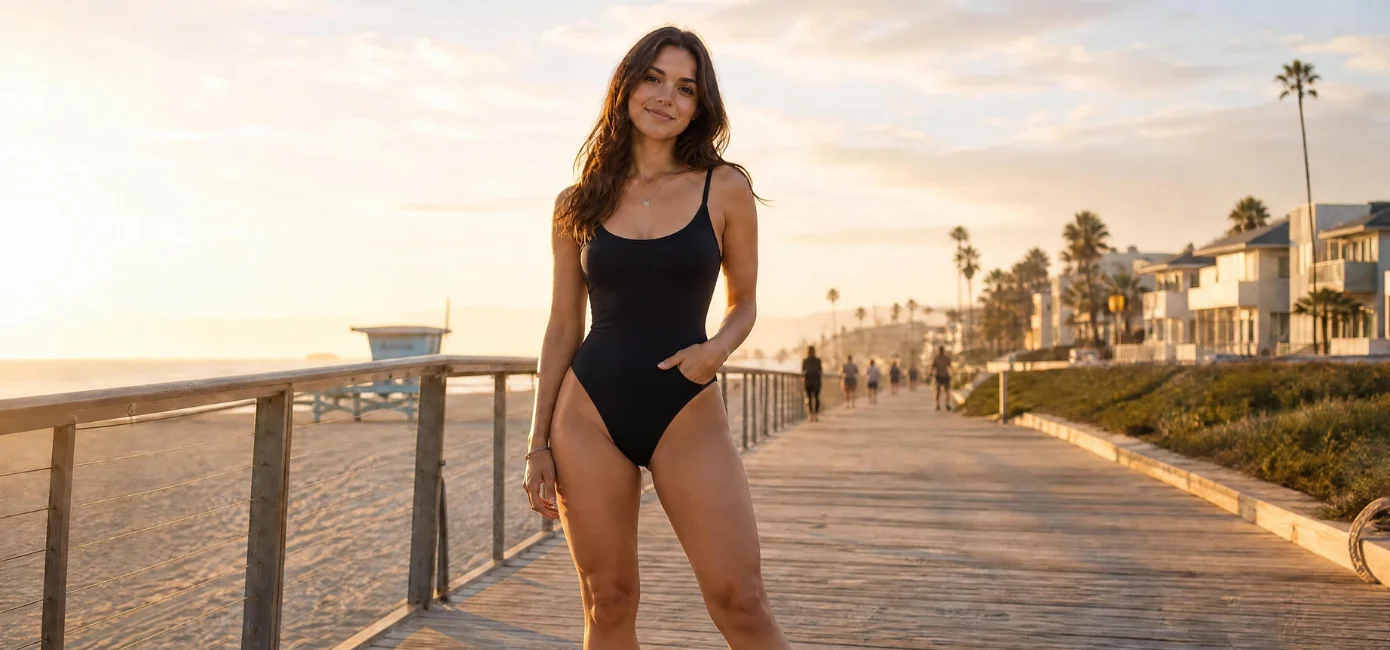
A long sleeve one piece swimsuit gives you more coverage without requiring a separate rash guard. Modern designs can work for swimming, surfing, paddleboarding, or relaxed beach days. The right suit should balance sun coverage, secure fit, comfort, support, and personal style.
A long-sleeve swimsuit is most useful when you want extra upper-body coverage and a secure one-piece fit. Look for comfortable stretch, dependable lining, practical closures, and an appropriate UPF rating when sun protection matters. Your ideal style depends on whether you plan to swim, surf, lounge, or combine several activities.
Quick Guide to Choosing the Right Suit
| Feature | What to Look For | Best For |
|---|---|---|
| UPF rating | UPF 50 or 50+ when available | Extended outdoor wear |
| Fabric | Stretchy, quick-drying nylon or polyester blends | Swimming and active use |
| Closure | Front zip, back zip, or pull-on design | Convenience and fit preference |
| Bust support | Shelf bra, cups, removable pads, or underwire | Added shape and security |
| Coverage | Crew neck, higher back, moderate leg opening | More covered styling |
| Seams | Smooth or flat seams | Reducing friction during movement |
| Sleeve fit | Close but unrestricted | Swimming, surfing, paddleboarding |
| Lining | Secure body lining | Comfort and opacity |
Why Long Sleeves Can Make Sense for Swimwear
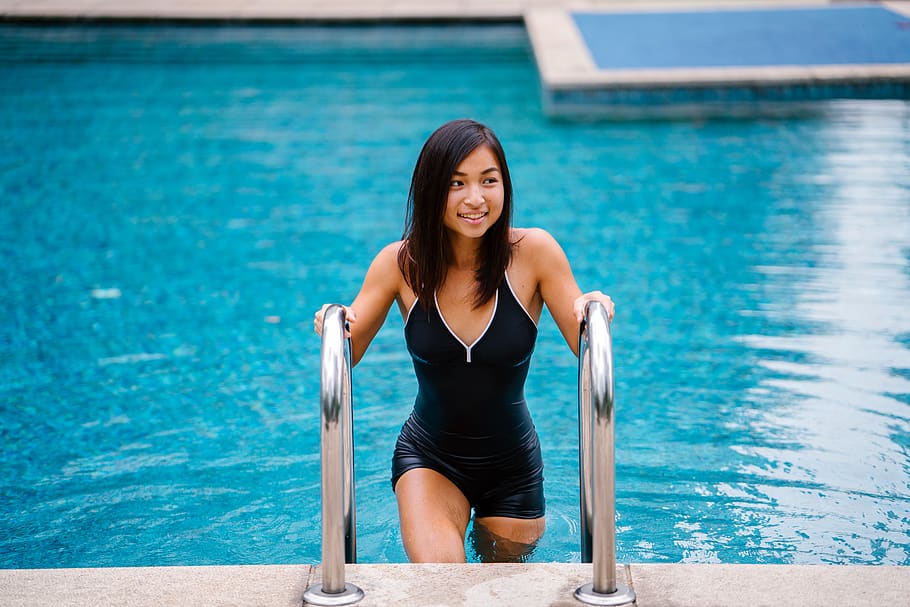
Long Sleeve One Piece Swimsuit coverage across the shoulders and arms, which receive considerable sun exposure outdoors. Clothing can form part of a broader sun-safety routine alongside sunscreen, shade, and other protective measures. The CDC explains that UPF 50 fabric blocks about 98% of ultraviolet radiation.
That protection still depends on the garment, fabric, coverage, and stated UPF rating. A long-sleeve design should never make you ignore exposed areas such as your face, legs, hands, or feet. The FDA also recommends protective clothing and regular sunscreen use.
Coverage has practical benefits beyond sun protection. Sleeves can reduce direct contact between your arms and surfboards, flotation equipment, or other gear. They also offer a useful option for shoppers who simply prefer a more covered swimsuit silhouette.
Long Sleeve One Piece Swimsuit Features That Matter Most
The first feature to consider is how you plan to use the suit. A poolside style can prioritize appearance and soft comfort, while active swimwear needs dependable movement. Surfing and paddleboarding usually benefit from snug sleeves, secure necklines, and fewer shifting details.
Fabric composition also affects how the suit behaves in water. Stretch blends containing nylon or polyester with elastane are common because they can move with the body. Look for product descriptions that address drying, chlorine exposure, saltwater use, or fabric recovery when those factors matter.
Construction deserves equal attention because poor seams can become distracting during active wear. Smooth seams are especially useful around the underarms, shoulders, waist, and leg openings. A well-built swimsuit should feel secure without creating painful pressure points.
Compare the Main Long-Sleeve Swimsuit Styles
| Style | Main Advantage | Possible Drawback | Best Use |
|---|---|---|---|
| Front-zip one-piece | Easy neckline adjustment | Zipper may feel bulky | Surfing and active swimming |
| Back-zip one-piece | Clean front appearance | Harder to reach alone | Water sports and beachwear |
| Pull-on suit | Minimal hardware | Can be harder to remove wet | Casual swimming |
| High-neck style | Greater chest coverage | May feel warmer | Outdoor activity |
| Cutout style | Fashion-focused appearance | Less coverage | Pool and resort wear |
| Rash-guard style | Sporty, secure construction | Less traditional swimsuit look | Surfing and paddleboarding |
For most shoppers, a front-zip or simple high-neck design offers the easiest balance. It provides practical coverage while remaining adaptable for several activities. Fashion-led cutouts make more sense when appearance matters more than maximum coverage.
If you are still deciding between brands, StudioStylee’s guide to popular swimsuit brands offers a useful starting point. It covers different price points, aesthetics, and swimwear priorities. Comparing brand strengths first can narrow an otherwise crowded shopping search.
How Should a Long-Sleeve Swimsuit Fit?
A good suit should feel close to the body before you enter the water. It should not create painful compression around the neck, shoulders, chest, or legs. Excessively loose fabric can shift, wrinkle, or create drag once the material becomes wet.
Pay special attention to sleeve length and shoulder mobility. Lift both arms overhead and reach forward before deciding whether the fit works. The fabric should move with you instead of pulling strongly across your upper back.
The torso length matters because one-piece swimwear connects the shoulders and lower body. A short torso can cause uncomfortable pulling, while excessive length may create bunching. Shoppers with long torsos should check whether brands offer tall sizing or detailed torso measurements.
Choosing Support and Coverage
Bust support varies substantially between swimsuit designs. Options can include removable cups, molded cups, shelf bras, underwire, or minimal lining. Choose the structure based on your comfort needs rather than assuming more support always feels better.
Necklines also change how secure a suit feels during movement. Crew necks and higher necklines usually provide more coverage than deep scoop or plunge styles. Zippers can offer flexibility because you can adjust the neckline after leaving the water.
Leg coverage deserves similar consideration. High-cut legs can create a longer visual line, while moderate cuts may feel more secure during active use. Rear coverage ranges from cheeky designs to fuller silhouettes, so product photographs should include several angles.
UPF 50: What the Rating Really Means
UPF describes how much ultraviolet radiation can pass through a fabric. A UPF 50 material allows about one-fiftieth of UV radiation through under its rated conditions. That means roughly 98% is blocked, according to the CDC and Skin Cancer Foundation.
The rating belongs to the fabric or garment, not simply the fact that sleeves are present. Regular fabric can offer different protection depending on weave, color, stretch, and moisture. Look for a clearly stated UPF rating when this feature influences your purchase.
Protective swimwear also covers only the skin beneath the garment. Sunscreen remains important on uncovered areas, and reapplication matters after swimming or sweating. Shade, sunglasses, and appropriate sun habits can provide additional protection.
Best Choices for Different Activities
For Swimming Laps
Choose a streamlined style with close sleeves and minimal decorative hardware. Secure construction helps reduce distractions during repeated strokes. Chlorine-resistant fabric is worth considering if you use a treated pool frequently.
For Surfing or Paddleboarding
Prioritize a secure neckline, fitted sleeves, and smooth seams. Front or back zippers can make entry easier while maintaining a close fit. Avoid loose decorative pieces that could become uncomfortable during repeated movement.
For Resort or Poolside Wear
You can place more emphasis on color, prints, cutouts, or flattering design details. A less technical suit can work perfectly when intensive swimming is not planned. Consider how easily it pairs with your existing vacation wardrobe.
An oversized linen shirt can also work as a light layer once you leave the water. StudioStylee’s oversized shirt outfit ideas show several relaxed summer layering approaches. A neutral shirt makes patterned swimwear easier to style beyond the pool.
Colors and Designs That Are Easy to Wear
Black remains popular because it pairs easily with cover-ups, sandals, and accessories. Navy, dark green, chocolate, and other deeper neutrals offer similar versatility. Brighter colors and prints make more sense when you want the swimsuit to lead your beach look.
Color-blocked panels can give athletic swimwear a more defined shape. Florals and abstract prints create a softer vacation feel without changing the practical structure. Solid colors usually provide the simplest option for repeat wear across several trips.
You can also build an easy beach outfit around a clean white layer. StudioStylee’s white top styling guide offers ideas for choosing versatile white pieces. A loose white button-up can transition naturally from swim coverage to casual lunch styling.
Common Shopping Mistakes to Avoid
Buying only by dress size can create problems because swimwear sizing varies by brand. Compare your bust, waist, hips, and torso measurements with the specific size chart. Customer reviews can also reveal whether sleeves, torso length, or leg openings run small.
Another mistake is assuming every long-sleeve design provides certified sun protection. Sleeve length and a UPF label are separate considerations. Check the product information rather than relying on appearance alone.
Do not ignore how difficult the suit may become to remove when wet. Back zippers can be secure but inconvenient without an extended zipper pull. Front zippers and flexible pull-on designs may offer easier changes for solo beach trips.
Pros and Cons of Long-Sleeve One-Piece Swimwear
The main pros of this swimsuit style.
- More arm and shoulder coverage than standard swimwear
- Secure one-piece construction
- Useful options with UPF-rated fabrics
- Suitable for many water activities
- Available in sporty and fashion-focused designs
- Can reduce direct friction from some water-sport equipment
The main cons to weigh.
- Can feel warmer outside the water.
- Wet sleeves may take longer to remove.
- Fit problems become noticeable across shoulders and torso.
- Some technical designs cost more than basic swimwear.
- Zippers require thoughtful placement and construction.
Our Verdict: Who Should Choose One?
A long-sleeve one-piece is a strong choice for shoppers who value coverage and secure construction. It works especially well for active beach days, water sports, and extended outdoor swimming. UPF-rated options add another useful feature for people building a broader sun-protection routine.
Choose your style according to activity before focusing on color or trend details. Fit across the torso, shoulders, and sleeves should remain your main priority. After that, compare support, closure type, coverage, fabric performance, and design.
The strongest purchase is not necessarily the most technical option available. A casual swimmer may prefer a comfortable fashion-led suit over a surf-specific design. Matching the garment to your real routine will usually produce a better result.
Frequently Asked Questions
Is a long sleeve one piece swimsuit good for sun protection?
It can provide greater physical coverage than a sleeveless swimsuit because the arms and shoulders are covered. For measured ultraviolet protection, check whether the garment carries a specific UPF rating. Continue protecting uncovered skin with sunscreen and other recommended sun-safety measures.
Is UPF 50 good for swimwear?
UPF 50 is considered a high level of fabric protection. It allows about one-fiftieth of ultraviolet radiation to pass through under rated conditions. The CDC states that this corresponds to approximately 98% of UV radiation being blocked.
Should long-sleeve swimwear fit tightly?
It should fit closely enough to remain secure without restricting comfortable movement. Sleeves should not sag heavily after entering the water. You should still be able to reach overhead and move your shoulders without painful pulling.
Can I wear a long-sleeve swimsuit for surfing?
Yes, many designs are made specifically for surfing and other active water sports. Look for secure necklines, comfortable seams, quick-drying fabric, and sleeves that remain in place. A close fit can also reduce loose fabric while paddling.
What should I wear over a long-sleeve swimsuit?
Loose linen shirts, lightweight shorts, wrap skirts, and relaxed pants can all work well. Choose breathable pieces that are easy to pull over slightly damp swimwear. Neutral layers also make colorful prints easier to style.