
A yuppie is a young, educated urban professional associated with career success, a high income, and visible spending on fashionable goods. The term became strongly linked with ambitious city professionals during the 1980s. It can be descriptive, but dictionaries still mark it as informal and often disapproving.
The word brings to mind Wall Street offices, tailored suits, expensive watches, preppy weekend clothes, and status-conscious city living. Yet the image was always bigger than a wardrobe stereotype. It reflected changing ideas about work, wealth, consumption, fitness, and professional identity in 1980s America.
| Key point | What it means |
|---|---|
| Full meaning | Young urban professional |
| Peak cultural era | The 1980s |
| Typical image | Educated, career-focused, affluent city professional |
| Signature fashion | Power suits, Oxford shirts, polos, loafers, trench coats |
| Common associations | Ambition, consumerism, status, fitness, city living |
| Tone today | Often dated, humorous, nostalgic, or mildly critical |
| 2026 relevance | Tailoring, preppy clothing, and corporate-inspired fashion are returning |
What Does Yuppie Mean?
The label is usually understood as a shortened form of young urban professional. Merriam-Webster defines the person as a college-educated adult in a well-paying profession who lives or works near a large city. Cambridge also connects the term with professional success, urban living, and spending on fashionable or expensive possessions.
Merriam-Webster records its first known use in 1980, when the United States was entering a decade strongly associated with corporate ambition and consumer culture. The word soon moved from a demographic label into popular culture. By 1984, the group had become prominent enough for national media to treat it as a defining social type.
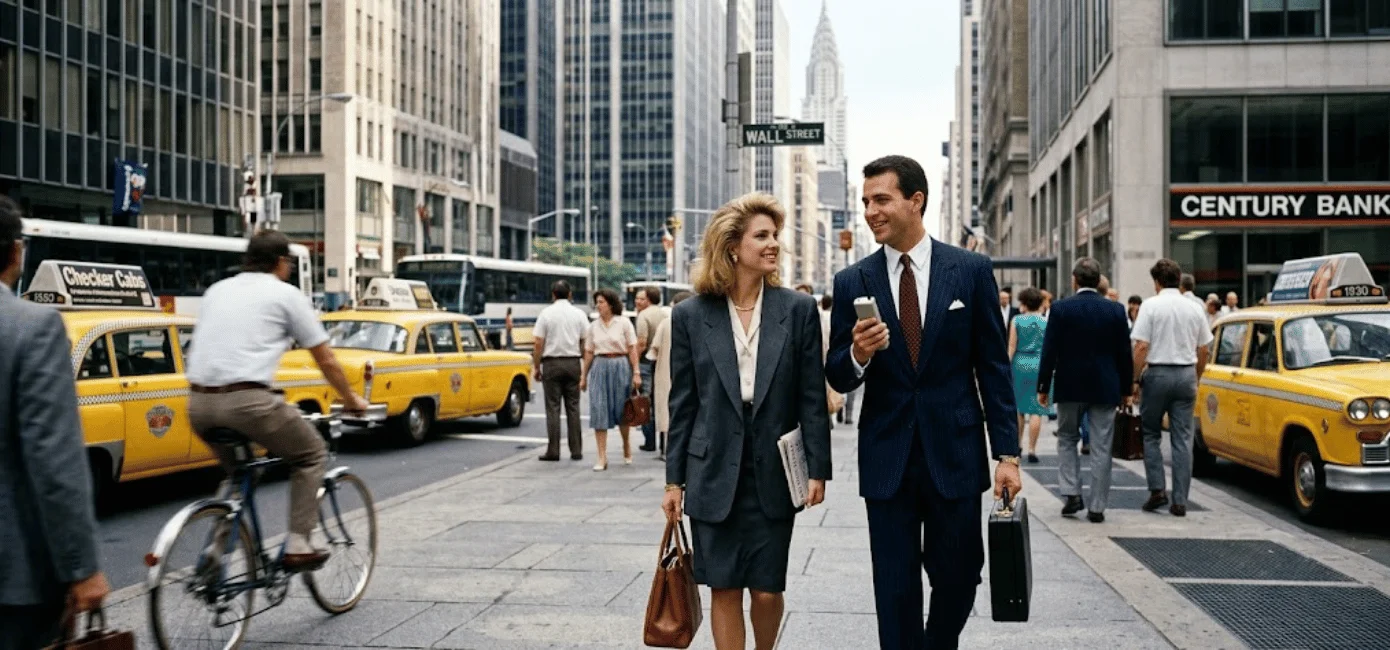
The stereotype usually centered on professionals in finance, law, advertising, consulting, and similar white-collar careers. New York became especially important to the image because of Wall Street’s growing cultural influence. The character was young, educated, ambitious, busy, health-conscious, and eager to display professional success.
Why the Term Became So Closely Linked With the 1980s
The 1980s are often remembered in the United States for consumerism, expanding financial culture, corporate ambition, and visible displays of prosperity. HISTORY includes the rise of this professional class among the decade’s defining cultural developments. The stereotype fit neatly into an era fascinated by business success, luxury purchases, fitness, and upward mobility.
The label also developed a negative edge. Vogue notes that it quickly became associated with pretentiousness, bland taste, and concerns about gentrification. That explains why calling someone by the term today can sound more critical than simply calling them a young professional.
Popular culture made the image even easier to recognize. Sharp suits, expensive apartments, restaurant culture, gym memberships, designer labels, and demanding office careers became part of the shorthand. The stereotype could represent success to one person and excessive materialism to another.
The Classic 1980s Professional Wardrobe
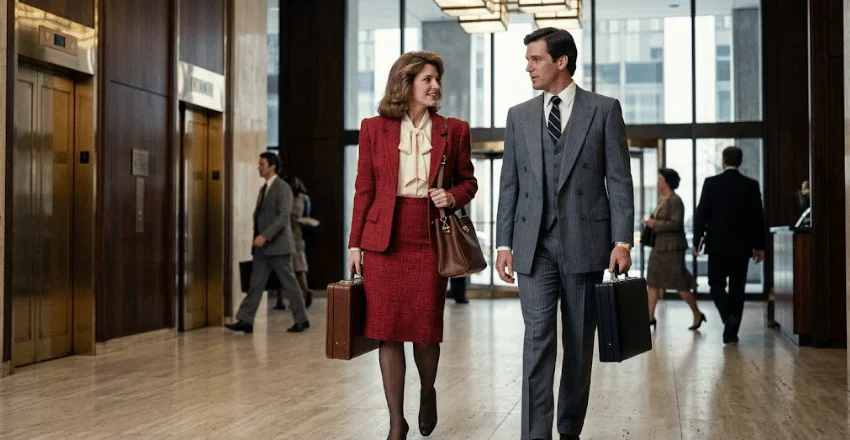
Fashion helped make this social type instantly recognizable. Vogue describes women’s versions of the look with skirt suits, bow blouses, Coach bags, and practical running shoes worn during the commute. Men’s versions included pinstriped three-piece suits, luxury watches, trench coats, and other visible markers of professional status.
Power dressing was central to the office wardrobe. Fashion Institute of Technology material describes broad shoulders, double-breasted jackets, strong tailoring, and structured silhouettes for both men and women. These clothes projected confidence and authority in professional spaces.
Shirts were especially important because they created the crisp base beneath suits, sweaters, and blazers. Oxford cloth button-downs and clean dress shirts still work for that polished effect today. StudioStylee’s guide to choosing and styling shirts explains how fit, collar shape, fabric, and layering affect the finished outfit.
It Wasn’t All Business Suits
Away from the office, the aesthetic often moved toward preppy American clothing. Polo shirts, chinos, knit sweaters, blue blazers, loafers, and collegiate-inspired pieces softened the corporate uniform without losing its status-conscious character. Vintage Fashion Guild also identifies khakis, crisp shirts, polos, cardigans, and branded clothing as key parts of the casual look.
That relationship between office tailoring and relaxed prep is why the style still feels familiar. A blazer could move from a meeting to dinner, while an Oxford shirt worked with both trousers and chinos. The clothes communicated control and prosperity without requiring formal eveningwear.
Footwear completed the impression. Leather Oxfords, Derbies, loafers, and clean casual shoes fit naturally with tailored clothing and preppy separates. StudioStylee’s men’s shoe wardrobe guide offers practical pairings for suits, business-casual outfits, and weekend clothes.
From 1980s Status Symbol to a Wearable 2026 Look
The strongest way to use this influence now is to borrow its structure rather than copy a costume. Keep the tailoring, clean shirts, loafers, knitwear, and restrained accessories while reducing exaggerated proportions. That approach gives the outfit a professional retro reference without making it look designed for an ’80s theme party.
| 1980s reference | More wearable 2026 version |
|---|---|
| Heavily padded power suit | Relaxed structured blazer |
| Pinstriped three-piece suit | Fine-stripe suit or tailored separates |
| Bright power tie | Knit tie or open collar |
| Logo-heavy status dressing | One recognizable accessory |
| Sweater tied over shoulders | Lightweight crewneck over an Oxford shirt |
| Formal leather briefcase | Clean leather tote or compact work bag |
| Bulky dress shoe | Sleek loafer, Derby, or Oxford |
Start with pieces that already work in a modern wardrobe. Navy trousers, a pale Oxford shirt, a textured blazer, and leather loafers create the right professional-preppy balance. StudioStylee’s casual outfit guide for men can help you mix those tailored pieces with denim, chinos, knitwear, and simpler weekend clothing.
Accessories work best when they look intentional rather than overloaded. A clean watch, leather belt, structured bag, or slim wallet can suggest the original status-conscious style without turning the outfit into parody. StudioStylee’s leather card holder guide is a useful reference for keeping that polished business aesthetic practical.
Why This Style Is Relevant Again in 2026
Corporate and preppy references have returned to fashion conversations in 2026. Recent coverage has highlighted power tailoring, corporate-inspired dressing, preppy clothing, and renewed interest in American heritage brands. Ralph Lauren, Coach, Tommy Hilfiger, and other familiar names are also receiving fresh attention from younger shoppers.
The connection to the original professional look is becoming explicit too. Recent fashion reporting describes broad-shouldered suits, sleek tailoring, and polished prep as part of a renewed interest in 1980s professional dressing. The modern version tends to emphasize fit and quality rather than copying every period detail.
That makes the revival easier to wear than a strict retro recreation. You can keep the Oxford shirt, blazer, fine trousers, loafers, or knit polo, while opting for softer proportions. The result feels current because the references are subtle and useful for everyday dressing.
Is the Word Still Used Today?
The word hasn’t disappeared, but its tone has changed. Oxford describes it as becoming old-fashioned and often disapproving, while Cambridge also marks the usage as disapproving. In everyday American conversation, it may sound nostalgic, humorous, or critical depending on the speaker.
Modern professionals also don’t fit into a single social stereotype. Remote work, technology careers, flexible dress codes, and less formal offices have changed what professional success looks like. Someone may share the original group’s career ambition or taste for quality without matching the full 1980s image.
The fashion influence is easier to spot than the social label itself. Tailored blazers, loafers, polos, Oxford shirts, trench coats, and preppy knitwear continue to cycle back into style. Those pieces survived because they work beyond the decade that made them famous.
A Style Legacy Bigger Than an Eighties Stereotype
The original social image was tied to ambition, urban careers, visible consumption, and a particular moment in American culture. Its fashion language proved more durable than the stereotype itself. Power tailoring, preppy shirts, loafers, knitwear, trench coats, and polished accessories still come and go in and out of fashion.
In 2026, those references feel especially relevant because corporate and heritage-inspired clothing is receiving renewed attention. You don’t need an expensive watch or a Wall Street job to use the aesthetic. Start with sharp fit, clean tailoring, quality basics, and one polished accessory.
For more ways to build the look, explore StudioStylee’s guides to shirts, footwear, casual outfits, and understated accessories. Use the 1980s as inspiration rather than a rulebook. That gives you the confidence and structure of the original style while keeping the outfit suited to modern life.
Frequently Asked Questions
It most commonly stands for “young urban professional.” Dictionaries connect it with educated professionals who live or work in large cities. The term became closely associated with ambitious and affluent young workers during the 1980s.
It can be, depending on context. Major dictionaries describe the term as informal and often disapproving rather than purely neutral. Using it for someone today can imply materialism, status-seeking, or excessive concern with money and appearances.
Office clothing included structured suits, pinstripes, broad shoulders, crisp shirts, ties, and polished leather accessories. Casual versions leaned toward polos, chinos, sweaters, blazers, and other preppy pieces. Luxury or recognizable brands also helped communicate status.
There are still young, affluent professionals living in major cities, but the old stereotype is less precise today. Work culture and office dress have changed greatly since the 1980s. The term now functions more often as a cultural reference than as a formal demographic category.
Choose one or two period references instead of recreating the whole outfit. Pair a structured blazer with modern trousers, or combine an Oxford shirt with loafers and simple knitwear. Clean proportions and restrained accessories keep the influence recognizable without making the outfit look theatrical.