Ever stood in front of a drawer full of plain tees and felt like none of them really reflect your style? If you’ve ever wanted a unique tee that fits your vibe — not the mass-produced logo on the rack — a practical t shirt diy can turn that frustration into a wardrobe win. In this guide I’ll walk you through simple customization techniques, styling tips, and outfit combinations so your DIY tee looks intentional, not amateur.
Why DIY a T-Shirt? The Case for Custom Tees
Customizing a t-shirt is one of the quickest ways to create a piece that feels personal, sustainable and often budget-friendly. Whether you’re upcycling an old tee, experimenting with tie-dye, or adding a subtle embroidered detail, a DIY tee can elevate your everyday wardrobe. It also gives you control over fit, color, and placement — essential for anyone who cares about how they present themselves.
Essential Supplies and Choosing the Right Blank Tee
What to buy
- Quality blank tees: 100% cotton or cotton blends (slubs and jersey work great)
- Fabric paint, bleach pens, tie-dye kits, or iron-on transfer paper
- Basic tools: scissors, stencil materials, masking tape, embroidery needle if needed
- Protective surfaces and gloves
Choosing the fit and fabric
For men, fit matters more than flashy prints. Choose a tee that matches your body type — slim or tailored for a cleaner, modern look; relaxed or classic for casual comfort. Cotton holds dyes and paint well, while cotton-modal blends drape better. If you plan to wear the tee under layers, pick a lighter weight fabric.
T Shirt DIY Techniques That Actually Look Good
Below are methods that scale from beginner to intermediate. Each produces a different aesthetic — choose the one that fits your personal style.
Tie-Dye and Ombre: Casual, Weekend-Ready
Great for festival or beachwear. Use a basic spiral or scrunch technique for bold patterns, or dip-dye for a subtle ombre effect. Tip: stick to 1–2 colors for a mature look.
Stencil and Fabric Paint: Clean, Graphic Statements
Cut a stencil from cardstock or use adhesive vinyl. Apply fabric paint with a sponge for crisp, repeatable designs. This method is perfect for logos, typography, or geometric shapes that read as intentional and stylish.
Bleach Printing: Low-Cost Distressed Style
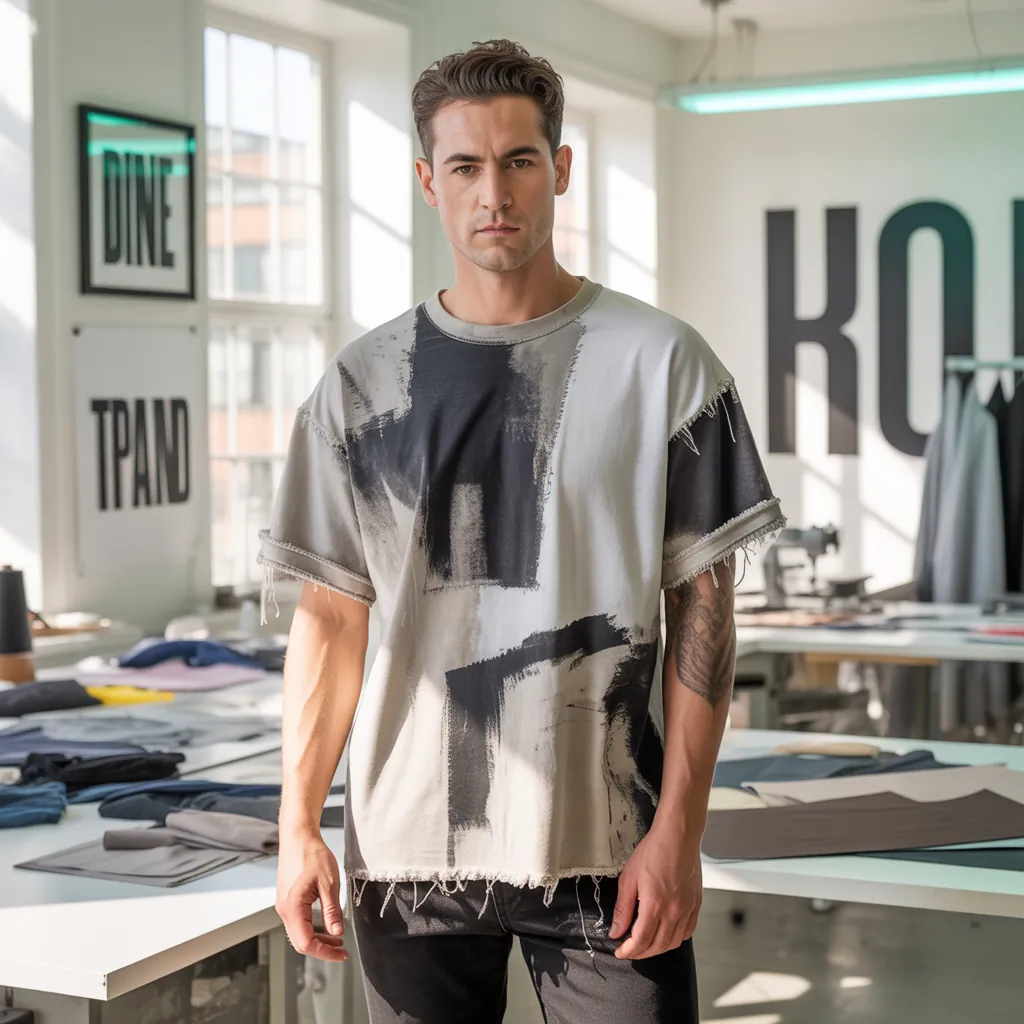
Use a bleach pen to draw on darker tees for a worn-in vintage effect. Work outside or in a ventilated area and neutralize with water once you reach the desired contrast. Bleach gives a rugged, lived-in finish perfect for layered outfits.
Embroidering and Patches: Subtle Luxury
Hand-embroidered initials, a small logo on the chest, or sewn-on patches instantly upgrade a tee. These details read as intentional craftsmanship and pair well with smart-casual looks.
Cut-and-Tie or Hem Alterations
For a quick fit update, trim the hem, notch the sides, or tie the hem into a knot. These small changes can modernize an old tee and make it more flattering under a jacket or shirt.
Styling Tips and Outfit Combinations
DIY tees can be surprisingly versatile. Here are several ways to wear them that feel cohesive and considered.
Casual Weekend
- Tie-dye tee + slim chinos + white sneakers
- Layer with a lightweight overshirt or denim jacket
Smart-Casual
- Neutral stencil tee + unstructured blazer + dark jeans
- Add leather loafers or minimalist sneakers to keep it sharp
Streetwear Edge
- Boxy custom tee + cargo pants + high-top trainers
- Top with an oversized flannel or puffer vest
Gym and Travel
- Performance cotton-blend custom tee + joggers + slip-on trainers
- Packable and personal — great for travel and layering
Care Tips to Keep Your DIY Tee Looking Sharp
DIY techniques require care. Wash inside out, cold water, gentle cycle, and avoid high-heat drying when possible. Heat-set fabric paint properly and follow kit instructions for long-lasting color. For bleached shirts, neutralize fully and air dry to avoid further fabric damage.
Real-World Advice: Mistakes to Avoid
- Don’t rush: test your technique on scrap fabric first.
- Avoid overcomplicating designs — simple graphics often look more refined.
- Consider longevity: embroidery or small patches age better than heavy prints.
- Invest in a few quality blanks rather than many cheap tees.
How to Scale Your Creativity: From One-Off to Wardrobe
If you love the results, consider creating a few variations around the same color family or motif. That way you build a cohesive capsule of custom tees that mix and match. For inspiration on building a cohesive closet, check out my guide to wardrobe essentials and the best styling tips for integrating DIY pieces into daily looks.
t shirt diy: Quick Step-by-Step Starter Project
Here’s a simple stencil-and-paint project to get you started:
- Choose a clean, pre-washed blank tee (medium weight cotton recommended).
- Create a stencil (cardstock or adhesive vinyl) — keep the design small for a chest logo or larger for a statement piece.
- Secure the stencil with masking tape and place cardboard inside the shirt to prevent bleed-through.
- Apply fabric paint with a sponge dab technique; remove stencil while paint is wet for clean edges.
- Allow to dry, then heat-set according to paint instructions. Wash inside out on gentle cycle.
Frequently Asked Questions
Can I customize a t-shirt without a sewing machine?
Absolutely. Many techniques — tie-dye, bleach, stenciling, iron-on transfers, and hand embroidery — require no sewing machine. For hems and major structural changes you can use fabric glue or hand stitching if needed.
What type of t-shirt fabric works best for DIY projects?
100% cotton is the most forgiving for dyes and paints. Cotton blends can work too, especially for screen prints and iron-ons, but they may yield slightly different dye results. For performance wear, look for polyester blends if you plan to add heat transfers.
How do I make my DIY t-shirt look more expensive?
Keep designs minimal, focus on fit, and use subtle details like small embroidery, tonal graphics, or distressed/inset patches. Pair your customized tee with well-fitting trousers and a structured outer layer to elevate the overall outfit.
Final Thoughts and Next Steps
There’s real satisfaction in wearing a tee you made or customized yourself. Whether you’re doing a quick t shirt diy to refresh an old staple or building a small capsule of unique tees, the key is to keep designs intentional and focus on fit. Ready to try your first project? Start with the stencil-and-paint starter above, and once you’ve gotten comfortable, branch into embroidery or upcycling techniques. For more hands-on tutorials and seasonal outfit ideas featuring DIY pieces, explore my DIY tutorials and how-to styling resources.
Call to action: Try one small DIY tweak this week — make a simple stencil, add a patch, or try a dip-dye. Share your results or questions in the comments below and I’ll give feedback on styling and technique.