Ever stood in front of your closet wondering what to wear for a hectic day of client visits, court appearances, and an afternoon team meeting? If you’re a male social worker juggling fieldwork and office time, your outfit needs to be more than stylish — it must be functional, approachable, and durable. In this guide I’ll walk you through practical, professional social worker outfits that keep you comfortable, credible, and ready for whatever the day throws at you.
Why social worker outfits matter (and what to prioritize)
What you wear matters in social work. First impressions are quick, and your clothes can influence trust, authority, and rapport. Prioritize clothing that balances professionalism with approachability: think business casual staples, clean lines, and neutral colors. Practical needs like pockets, weatherproof layers, and comfortable shoes should guide your choices as much as aesthetics.
Core wardrobe pieces every male social worker should own
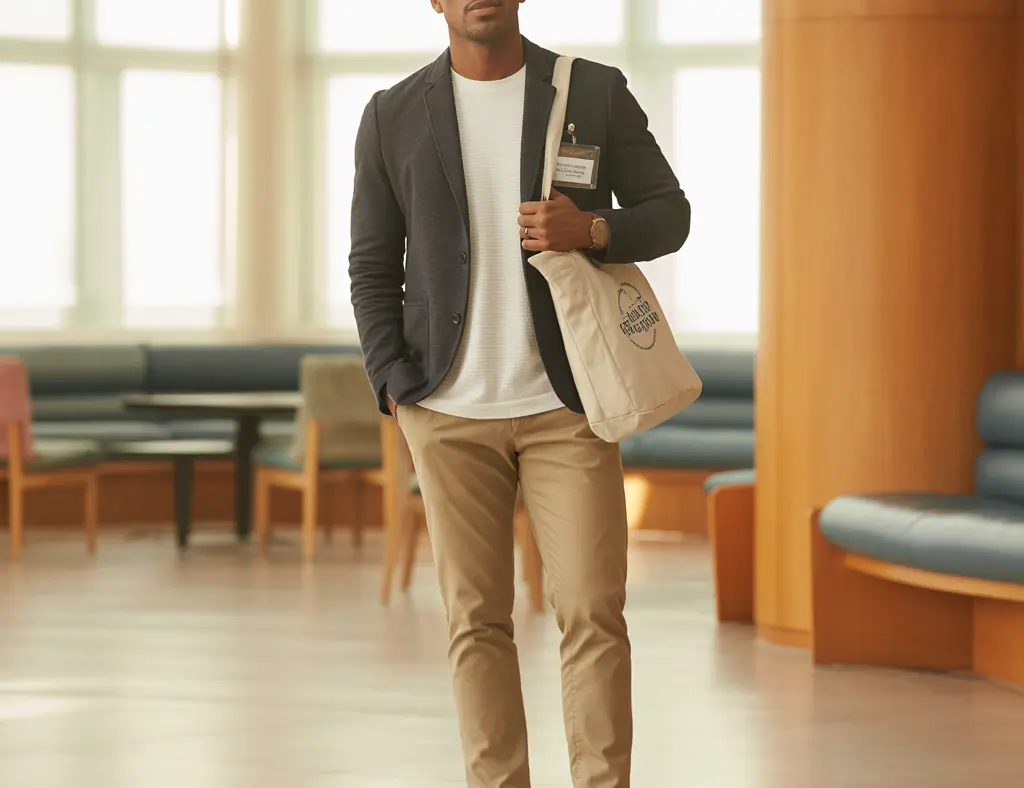
- Neutral blazers or unstructured sport coats — provide authority without feeling overly formal.
- Crisp button-down shirts and breathable polos — cotton or cotton blends for breathability and ease of care.
- Tailored chinos and dark jeans — versatile for office days and field visits.
- Water-resistant jacket or trench — essential for unpredictable weather and outdoor outreach.
- Comfortable, professional shoes — leather oxfords, derby shoes, or durable Chelsea boots; include a pair of supportive sneakers for long walks.
- Functional bag — a messenger bag or low-profile backpack with compartments for files, a tablet, and personal items.
Practical outfit combinations for different social work settings
Below are field-tested outfit combinations tailored to common social work environments — office, fieldwork, court, and community events.
Office-appropriate social worker outfits
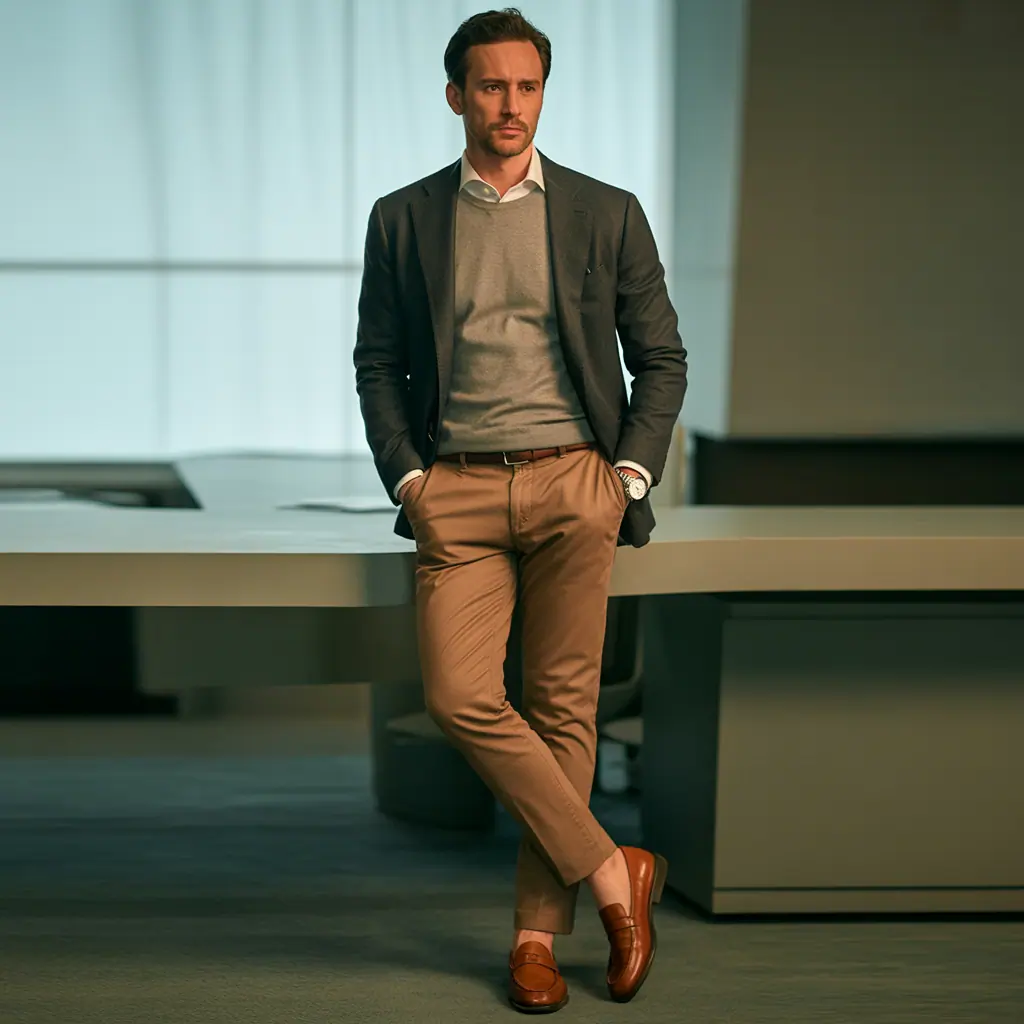
- Mid-grey unstructured blazer + light blue oxford shirt + navy chinos + brown derby shoes. Add a leather belt and a slim watch.
- Navy knit polo + charcoal trousers + black leather loafers. This leans more casual but stays professional for routine desk days.
Fieldwork and home visits
- Breathable long-sleeve henley or polo + dark, stain-resistant chinos + waterproof jacket + supportive sneakers or Chelsea boots. Carry a durable messenger bag with extra masks and hand sanitizer.
- Layer with a fleece or thin sweater under a weatherproof shell for colder months. Prioritize pockets and neutral colors to avoid distraction.
Court, interagency meetings, or formal appointments
- Well-fitted navy blazer + white dress shirt + charcoal trousers + black oxfords. Keep accessories minimal and professional (simple tie optional).
Casual outreach or community events
- Comfortable dark jeans + casual button-up or polo + light jacket + clean sneakers. Aim for approachable, community-friendly styling without looking sloppy.
Fabric, fit, and function: style tips that make a difference
Clothing choices should be driven by function as much as fashion. Here are practical style tips:
- Choose breathable, easy-care fabrics: Cotton blends, merino wool knits, and performance fabrics that resist wrinkles and stains are lifesavers on long days.
- Fit matters more than brand: A well-fitting shirt and tailored chinos elevate your look more than an expensive logo. Aim for clean shoulders, tapered sleeves, and comfortable waistlines.
- Layer smart: Layers add versatility — you can remove a blazer or add a fleece depending on the setting. Layers also help you transition from cold offices to warm home visits.
- Colors and patterns: Stick to neutral palettes — navy, grey, olive, and brown — with subtle patterns (micro-checks or thin stripes) for visual interest that stays professional.
- Function-first footwear: Prioritize comfort and support. If you cover a lot of ground, invest in quality sneakers with a professional appearance or well-cushioned leather boots.
- Safety and identification: Keep your ID badge accessible, and consider clothes with secure pockets for your phone, keys, and notepad.
Building a capsule wardrobe for the busy social worker
A capsule wardrobe reduces decision fatigue and ensures you look put-together every day. Start with 10–15 versatile items you can mix and match:
- 2 blazers (navy and grey)
- 3 shirts (white, light blue, patterned)
- 2 polos or knit tops
- 2 pairs of chinos (khaki and navy) and 1 pair of dark jeans
- 2 pairs of shoes (comfortable sneakers and leather derby/boots)
- A weatherproof jacket and a neutral sweater
For more on building a practical, minimalist wardrobe, check out my guides on Capsule Wardrobe Tips and Men’s Workwear Guide.
Accessories and grooming — small details that build trust
- Bag: A structured messenger bag or slim backpack keeps documents organized and looks professional.
- Watch: A clean, functional watch signals reliability without being flashy.
- Grooming: Keep facial hair neat, nails trimmed, and hair tidy — consistency matters more than style trends.
- Personal safety: Avoid overly flashy jewelry or accessories that could distract or create barriers between you and clients.
Durability and budget-friendly shopping tips
You don’t need a designer budget to look professional. Focus on fabrics, reinforced stitching, and customer reviews that highlight long-term wear. Buy a few high-quality staples (shoes, blazer) and balance them with budget-friendly shirts and chinos. Consider neutral tones so every piece matches multiple outfits, reducing overall cost per wear.
Social worker outfits: real-world advice from experience
After years of dressing for mixed environments, here are a few things I wish I knew sooner:
- Always have a spare shirt in your bag if you do fieldwork — stains or unexpected situations happen.
- Invest in one rainproof shell you can throw over office attire; it saves your blazer and your professional look.
- Keep a small kit in your bag: lint roller, stain stick, and travel-size deodorant.
Frequently Asked Questions
1. What should a male social worker wear to a home visit?
Opt for approachable, practical clothing: a polo or long-sleeve henley, dark chinos, and supportive shoes. Add a lightweight, weatherproof jacket and carry a functional bag to hold paperwork and sanitary supplies.
2. Is a suit necessary for social work meetings?
Not usually. Most social work settings call for business casual. Reserve a suit or smart blazer for court appearances, formal meetings, or when a higher degree of authority is required.
3. How can I balance professionalism with approachability?
Choose softer fabrics and neutral colors, avoid overly formal elements like shiny cufflinks, and prioritize a neat, well-fitted look. Small touches — like a clean polo, a simple watch, and a warm smile — go a long way.
Conclusion — Look professional, stay practical: Social worker outfits that work for you
Social worker outfits should be a balance of professionalism, approachability, and function. With a compact wardrobe of neutral blazers, breathable shirts, durable chinos, and comfortable shoes, you can project credibility while staying ready for fieldwork, meetings, and community outreach. Start building your capsule with 10–15 versatile pieces and prioritize fit, fabric, and pockets. Ready to upgrade your work wardrobe? Explore footwear options in my Shoe Guide and refine your capsule strategy with my Capsule Wardrobe Tips.
Which outfit scenario do you face most — court, fieldwork, or office? Leave a comment or follow up with your wardrobe questions and I’ll help you tailor a practical, professional look.