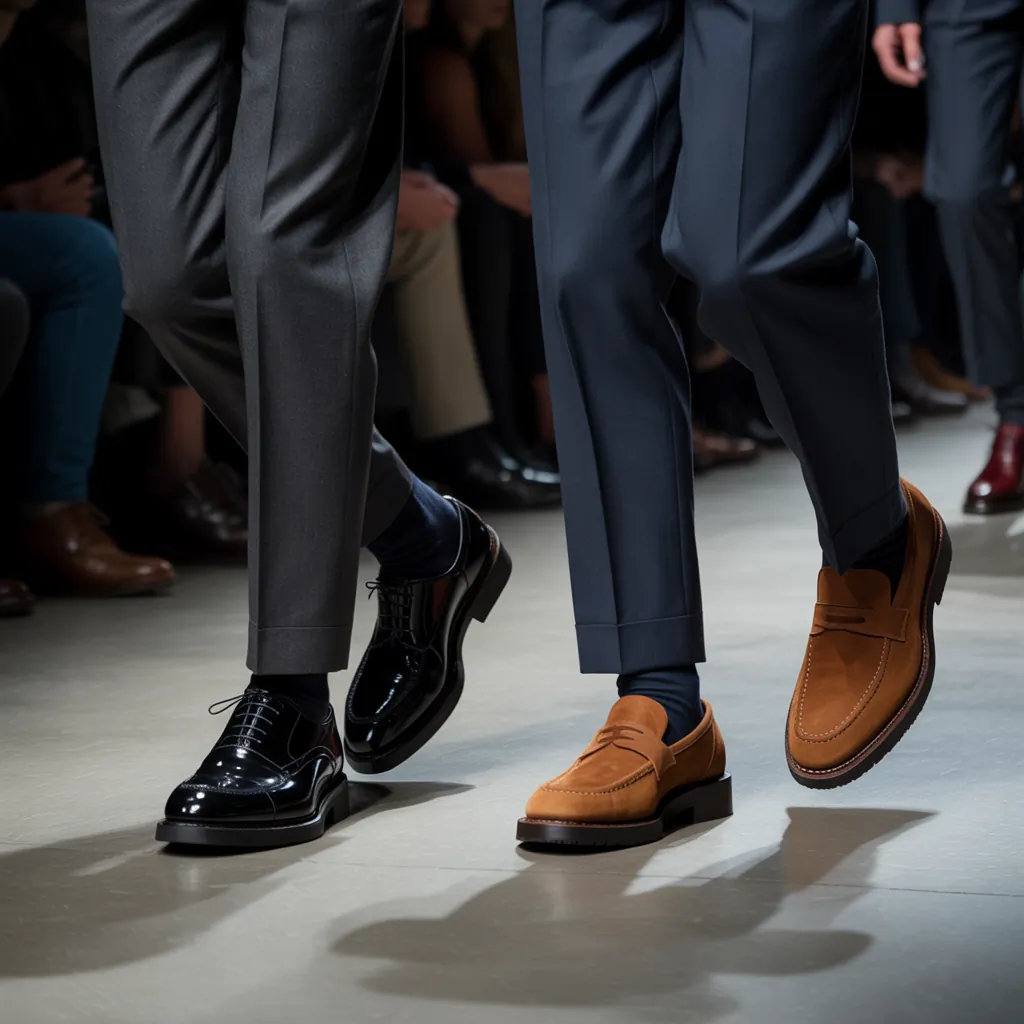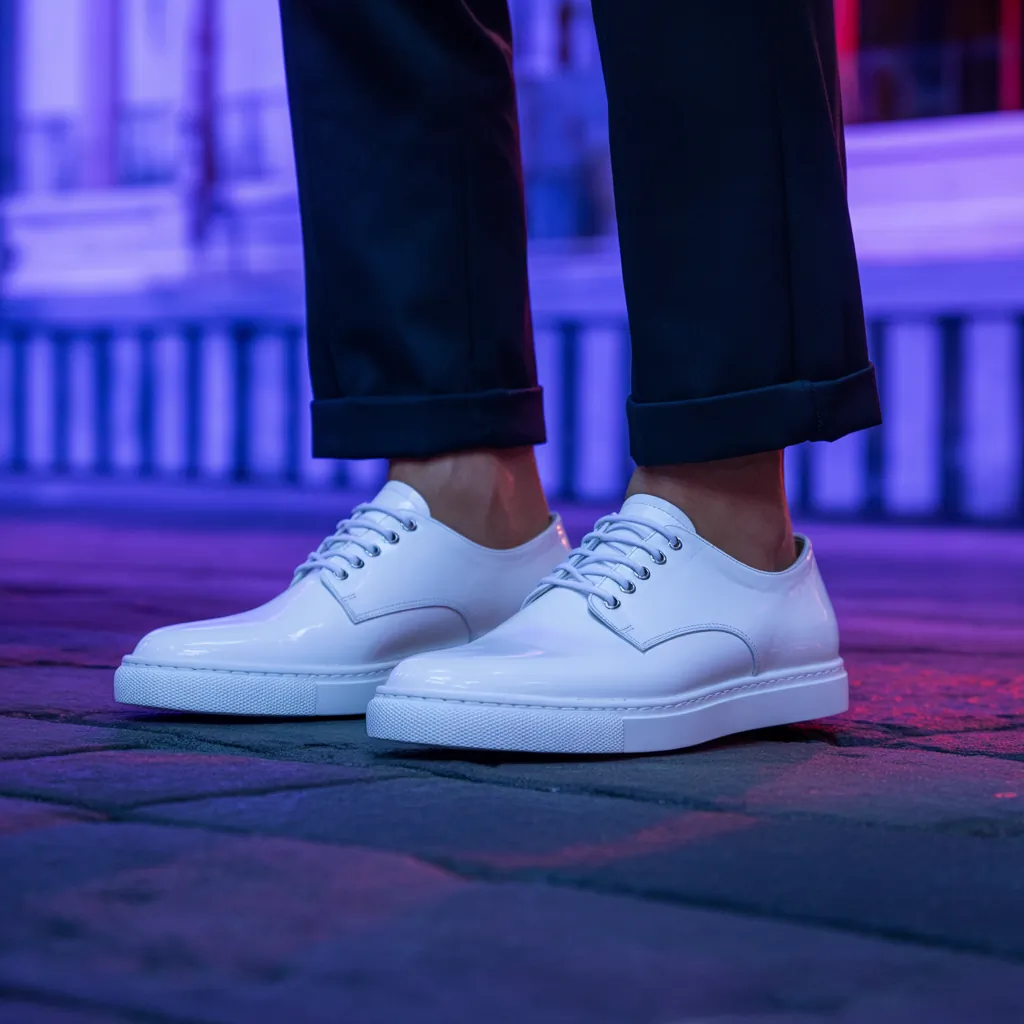
Ever stood in front of your closet, two different shoes in hand, wondering which one actually says “you”? Whether you’re heading to a first date, a client meeting, or a weekend coffee run, your footwear often delivers the first impression. Nail your shoes aesthetic and the rest of the outfit falls into place.
Why Your Shoes Aesthetic Matters
Shoes are more than just protection for your feet — they communicate taste, lifestyle, and attention to detail. A consistent footwear aesthetic makes dressing faster, smarter, and more confident. From minimalist sneakers to classic brogues or rugged Chelsea boots, choosing a cohesive shoe vocabulary elevates every outfit.
What Is a Shoes Aesthetic? (And How to Find Yours)
Your shoes aesthetic is the recurring style cues you favor in footwear: silhouettes, color palette, materials, and how you pair shoes with clothes. Start by auditing what you already own. Do you reach for white trainers, polished leather shoes, or workwear boots most often? That pattern reveals your baseline.
Quick audit exercise
- Lay out your footwear and divide into categories: casual, dress, seasonal.
- Note common features: color (neutral vs bold), formality (smart-casual vs formal), and materials (suede, leather, canvas).
- Pick three adjectives that describe your favorites: minimalist, vintage, rugged, sporty, elegant.
Popular Footwear Aesthetics & How to Wear Them
Minimalist Shoe Aesthetic
Think clean lines, neutral colors, and low-profile silhouettes. Minimalist sneakers or plain leather loafers work best. Outfit ideas:
- Neutral sneakers + tapered chinos + crewneck sweater for a polished everyday look.
- Monochrome leather sneakers + slim jeans + tailored blazer for smart-casual office days.
Streetwear / Urban Shoe Aesthetic
Chunky trainers, high-tops, and statement sneakers lead here. Pair with joggers, oversized tees, and layered outerwear. Pro tip: keep one element of your outfit neutral to avoid looking overly busy.
Classic / Heritage Shoe Aesthetic
Go-to pieces include brogues, Derby shoes, and Chelsea boots in leather. These pair well with tailored trousers, flannels, and structured coats. Great for business-casual settings and weekend dinners.
Athleisure & Performance Footwear
Sleek trainers and performance sneakers are now everyday staples. Wear them with technical outerwear, tapered joggers, or a casual suit for a modern, effortless vibe.
How to Build a Cohesive Shoes Aesthetic
Creating a consistent shoes aesthetic isn’t about having every trend — it’s about selecting a small, versatile rotation that fits your life.
1. Start with neutral core pairs
Every man should own: a clean white or black sneaker, a brown leather dress shoe, and a sturdy boot (Chelsea or chukka). These versatile pieces cover most occasions and act as anchors for your aesthetic.
2. Choose a color and material palette
Limit the number of accent colors and stick to a material story — for example, mostly smooth leather with one suede pair. This makes mixing and matching easier and keeps your footwear visually coherent.
3. Match shoes to lifestyle, not trends
Invest based on what you actually do. If you commute on foot, prioritize comfortable, durable soles. If you attend many meetings, polished dress shoes are worth the investment.
Practical Style Tips & Outfit Combinations
Here are real-world combos that work across seasons and settings:
- Weekend coffee: white leather sneakers + slim denim + bomber jacket.
- Date night: dark Chelsea boots + dark jeans + fitted shirt + wool coat.
- Office smart-casual: brown Derbys + navy chinos + crisp oxford shirt.
- Travel day: cushioned trainers + tapered joggers + lightweight parka (comfort + style).
Small details that make a big difference
- Matching leather tones: belt and shoes should be in the same family for formal looks.
- Socks: go invisible with no-show socks for low-top sneakers; patterned socks can add personality with loafers.
- Shoe fit: prioritize comfort — a properly fitted shoe improves posture and confidence.
Maintenance & Buying Tips
Keep your shoes looking intentional with a simple care routine. Rotate pairs to extend life, use shoe trees for leather, and clean suede with a brush. When buying:
- Try in the afternoon — feet swell throughout the day.
- Consider resoleable shoes for long-term value.
- Buy one high-quality pair rather than several cheap ones when starting your aesthetic.
How to Adapt Your Shoes Aesthetic Over Time
Style evolves. Add seasonal or statement pieces slowly: a bold sneaker or a textured boot. Reassess annually and donate what no longer fits your lifestyle. Keep a capsule rotation of 5–7 pairs that cover formal, casual, and transitional needs.
Frequently Asked Questions
What shoes should a man start with to build a cohesive aesthetic?
Start with a clean white or black sneaker, a brown leather dress shoe (Derby or Oxford), and a versatile boot like a Chelsea or chukka. These three cover most outfits and occasions.
How many pairs of shoes does an average man need?
A practical capsule for most men is 5–7 pairs: daily sneakers, dress shoes, casual boots, running/athletic shoes, loafers, and one seasonal or statement pair. Adjust by lifestyle.
How can I make expensive shoes look casual?
Dress down expensive shoes by pairing them with relaxed pieces: raw denim, plain tees, and casual outerwear. Choose minimalist high-end sneakers that blend into everyday outfits for a subtle luxury look.
Conclusion: Own Your Shoes Aesthetic
Defining your shoes aesthetic helps you dress with clarity and confidence. Start with a small, quality rotation; focus on silhouette, color, and materials; and maintain your footwear so it always reads intentional. Want help building a capsule shoe rotation or polishing your look? Check out my wardrobe basics and practical shoe care guide to get started.
Ready to upgrade your footwear game? Subscribe to the newsletter for seasonal outfit ideas, and try one new pair this season that truly reflects your style.