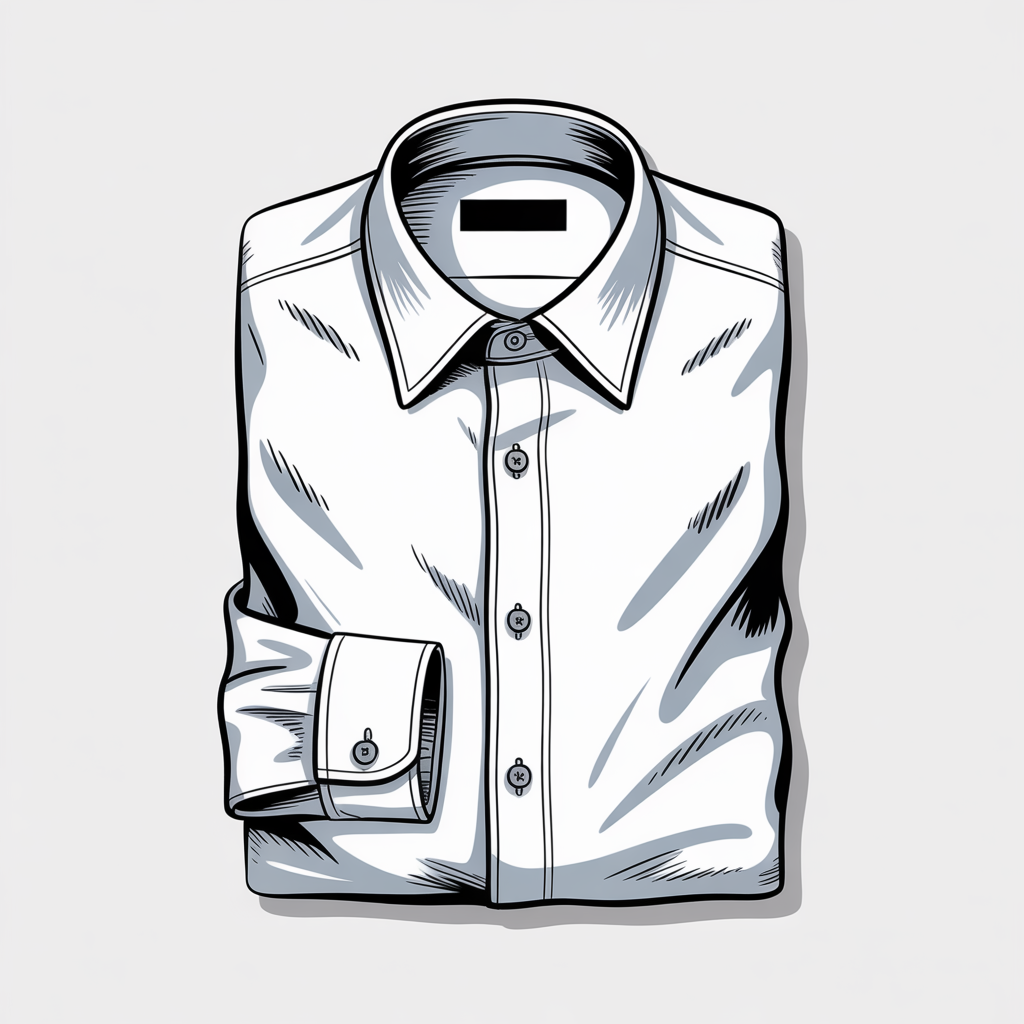
Ever stood in front of your closet wondering whether that shirt would work with the blazer you just bought, or wished you could sketch a shirt idea before committing to a tailor? A quick shirt drawing — even a simple sketch — can save time, prevent bad purchases, and help you visualize outfits like a pro. In this guide I’ll walk you through practical shirt drawing tips, style pairings, and real-world advice tailored for men who care about looking sharp without overthinking it.
Shirt Drawing: A Simple Tool for Better Style
Whether you’re a budding designer, a style-conscious guy planning capsule wardrobes, or someone who wants to order a made-to-measure shirt, a basic garment illustration makes decisions easier. A shirt drawing (or shirt sketch) is more than art — it’s a planning tool. Use it to map collar types, sleeve lengths, pocket placement, and pattern scale before you buy or tailor.
Basic Steps: How to Do a Shirt Drawing
You don’t need to be an artist. Follow these practical steps for a clear, useful shirt drawing you can reference on shopping trips or when speaking with a tailor.
1. Start with the Silhouette
Draw the torso shape first: slim, regular, or relaxed. This defines the fit — tapered for fitted looks, straighter for classic or relaxed shirts. Use light lines to map shoulder seams and hem length (hip, mid-hip, or extended).
2. Add the Collar and Placket
Collar style changes everything. Sketch the collar (button-down, spread, point, band) and note collar height. Draw the placket (hidden, standard, or fly-front) and where the buttons will sit — useful when planning button spacing for casual vs. dress shirts.
3. Define Sleeves and Cuffs
Short sleeve, long sleeve, roll-up tabs, or French cuffs? Indicate cuff style and sleeve width. For long sleeves, mark whether you want a tapered sleeve or a fuller sports cut.
4. Detail Pocket, Hem, and Fabric Pattern
Decide pocket placement (left chest, double, or none), rounded or straight hem, and note fabric patterns or textures — stripes, checks, chambray, linen slub. For pattern scale, indicate stripe width or check size to visualize proportion with your body type.
5. Annotate Measurements & Materials
Write collar size, sleeve length, shoulder width, and preferred fabric weight next to the drawing. These notes turn a sketch into a specification for shopping or tailoring.
Style Tips and Outfit Combinations Using Your Shirt Sketches
Once you have a shirt drawing, pairing and styling becomes deliberate instead of accidental. Here are outfit combinations for common shirt types and occasions.
Casual Weekend — Flannel or Chambray
- Shirt: Mid-weight flannel or chambray in a medium-scale check.
- Pair with: Raw denim jeans, desert boots, and a wool beanie for colder days.
- Style tip: Sketch the shirt with a slightly relaxed silhouette and roomy sleeves for layering over tees.
Smart-Casual — Oxford Cloth Button-Down
- Shirt: Classic oxford in white or light blue, button-down collar.
- Pair with: Chinos, suede loafers, and a lightweight blazer or knit cardigan.
- Style tip: Draw a shorter hem in your shirt drawing if you plan to wear it untucked.
Office/Formal — Dress Shirt with Spread Collar
- Shirt: Fine poplin or twill with a spread or point collar.
- Pair with: Tailored suit, leather oxfords, and a coordinating tie.
- Style tip: For a clean silhouette, sketch a tapered fit and French cuffs if you rotate dress shirts with cufflinks.
Warm Weather — Linen or Lightweight Cotton
- Shirt: Linen button-up or camp collar in neutral tones.
- Pair with: Tailored shorts or lightweight trousers and espadrilles or sandals.
- Style tip: Indicate a relaxed shoulder and breathable weave in your drawing to keep the look effortless.
Real-World Advice: From Sketch to Closet
Turning a shirt drawing into a wearable piece requires practical steps. Here’s how to get from paper to outfit without regret.
Use Your Drawing When Shopping
Bring a phone photo of your sketch on shopping trips. It helps sales assistants understand what you want and narrows down options faster. If buying online, include your sketch and notes when ordering custom work from smaller brands.
Communicate with Tailors Clearly
Tailors love clear visual references. A simple shirt sketch with annotated measurements reduces back-and-forth and leads to a better first fitting. Keep a folder of favorite shirt drawings with successful fits for future orders.
Match Fabric to Function
Write fabric recommendations on your sketch: wrinkle-resistant cotton for travel, mid-weight oxford for office rotation, heavy flannel for cold weather. Fabric choice determines drape, comfort, and how the shirt pairs with other garments.
If you want step-by-step visuals, check out my how-to-draw tutorials and my broader style guide for outfit formulas you can adapt from your sketches.
Frequently Asked Questions
Q: Do I need to be good at drawing to make useful shirt sketches?
A: No. Your sketches don’t have to be perfect. Simple outlines with clear notes about collar type, fit, and fabric are often enough. Focus on proportions and annotations rather than artistic detail.
Q: What tools should I use for shirt drawing?
A: A pencil, ruler, and a plain paper or sketchbook work great. For digital options, try a tablet or phone app to save and edit drawings. Always include measurements and fabric notes next to the sketch.
Q: How many shirt drawings should I keep in my wardrobe plan?
A: Start with a capsule of 8–12 shirt drawings representing dress, smart-casual, and casual categories. Over time you’ll add variations — different fabrics, collars, or pocket styles — to build a wardrobe that covers most occasions.
Conclusion: Make Shirt Drawing Part of Your Style Routine
Incorporating a simple shirt drawing into your style routine is a small habit with big returns: clearer purchases, better tailoring, and outfits that actually work together. Whether you’re sketching a new favorite dress shirt or planning a capsule collection of casual tops, a few quick lines and notes can change how you shop and dress. Try drawing one shirt this week — then wear it into your rotation. Want more guided exercises? Browse our shop curated shirts and use the drawings as your buying checklist.
Ready to sketch smarter and dress better? Take your first shirt drawing today and share it with a tailor or post it on your profile — you’ll be surprised how much more confident you feel picking outfits afterward.
if you want to know about Shirt Drawing then please visit our Menswear Category.