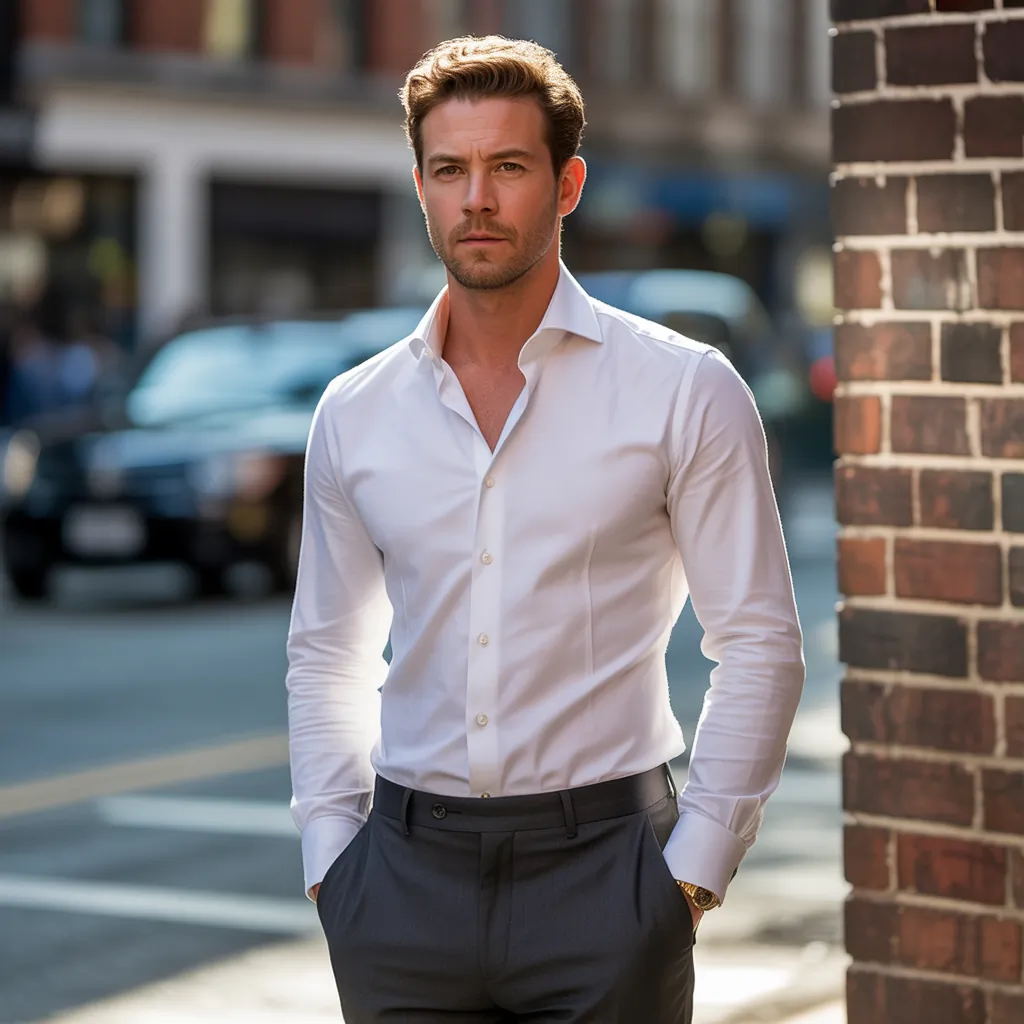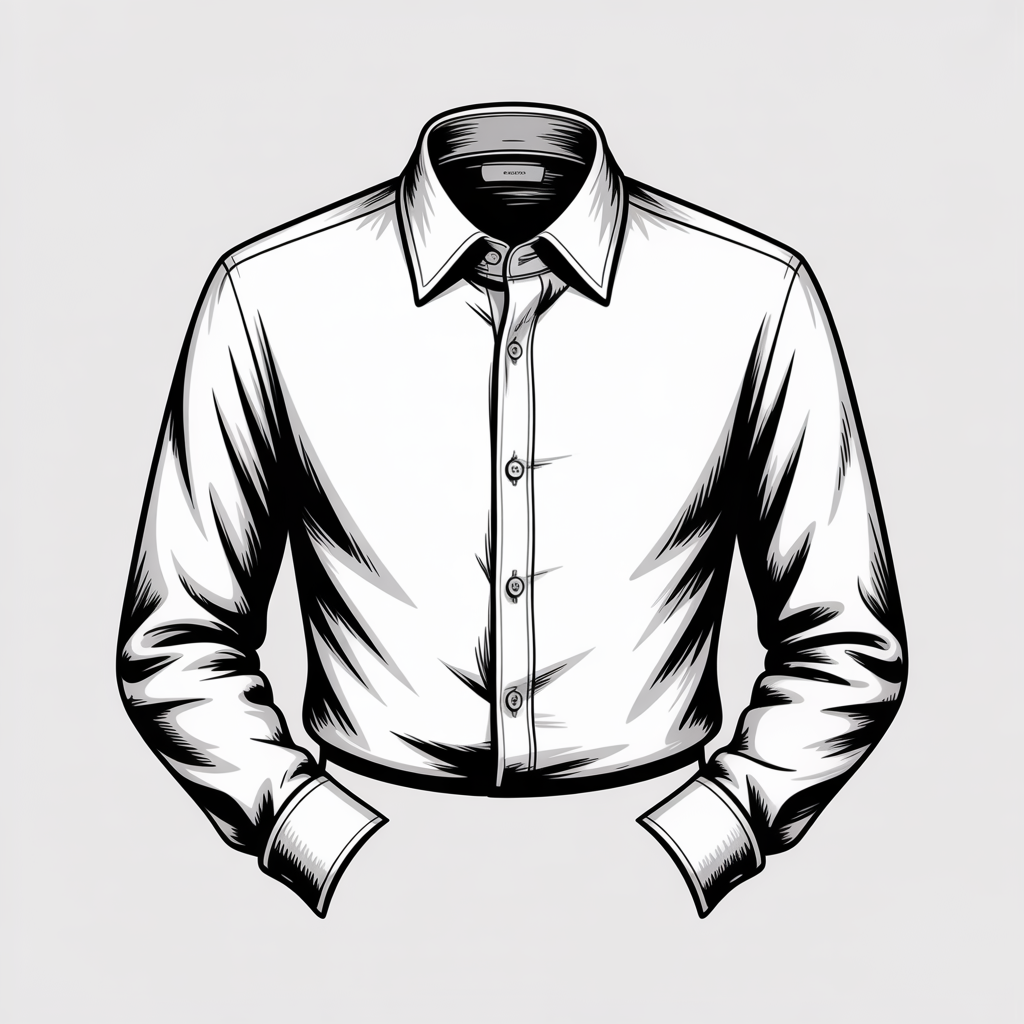
Ever stood in front of your wardrobe wishing you could redesign that plain shirt or sketch a fresh idea before you shop? Whether you’re a budding fashion illustrator, a guy who loves to customize his look, or someone who wants to visualize outfits, a solid shirt drawing can unlock better style decisions. In this guide I’ll walk you through practical shirt drawing tips, styling advice, and outfit combinations that real men can use—no art school required.
Why Shirt Drawing Matters for Your Style
At first glance, “shirt drawing” might sound purely artistic. But sketching a shirt—whether a quick mens shirt sketch or a detailed shirt design sketch—helps you understand proportions, fabric behavior, and how different collar and cuff styles change the whole outfit. Visualizing a piece often leads to smarter purchases, better alterations, and more confident outfit building.
How to Create a Shirt Drawing: Step-by-Step for Men
This quick how-to is geared toward non-artists who want functional fashion sketches—think garment sketch for fashion design, not gallery pieces.
1. Start with the Basic Silhouette
Draw a simple torso outline—shoulders, chest, waist. Keep proportions realistic: shoulder width slightly wider than the chest for most men. A clean foundation makes later details readable.
2. Add the Collar and Shoulders
Mark the neckline and collar type (spread, point, button-down). Shoulder seams should follow the torso line; a dropped shoulder indicates a relaxed fit, while a higher seam signals a structured look.
3. Sketch Sleeves and Hems
Decide sleeve length (short sleeve, long sleeve) and cuff style (barrel, French cuff). For movement and realism, add subtle folds: at the elbow and under the arm. Hem length affects how the shirt tucks—draw it shorter for untucked casual shirts and longer for dress shirts.
4. Add Fabric Details and Patterns
Lightly indicate fabric weight with line density—heavier fabrics have fewer, deeper folds. For stripes, plaids, or prints, keep pattern lines consistent across seams to show attention to construction (this is a pro tip for shirt design sketch realism).
5. Finalize with Shading and Labels
Shade minimally to show drape. Label collar size, button spacing, and any special details like chest pockets or contrast plackets. These notes are invaluable if your sketch becomes a real garment or a shopping reference.
Materials & Tools for Better Shirt Drawings
- Pencils (HB for sketching, 2B for darker lines)
- Fine-liner pens for clean outlines
- Graph paper or a sketchbook to keep proportions
- Markers or colored pencils to indicate fabric colors and textures
Digital? A tablet with a pressure-sensitive stylus and a simple drawing app makes iterating shirt ideas fast and mess-free—great for t-shirt drawing tutorials and quick mens shirt sketching.
Style Tips: Turning a Shirt Drawing into a Wearable Outfit
Sketching a shirt is just step one. Here are tested styling tips so your drawn shirt translates to real-world outfits.
Fit First
Match the silhouette in your drawing to your body type. Slim-fit illustrations require a narrower chest and tapered waist; relaxed shirts should show more room across the torso and sleeves. Always prefer a fit that allows movement—your sketch should reflect that.
Fabric & Function
Think about the fabric in the sketch: oxford cloth for a casual button-down, poplin for a dress shirt, jersey for tees. Fabric choice affects how you wear the shirt: heavier fabrics for layering, lighter ones for warm weather.
Color and Pattern Pairing
Use your drawing to experiment with color combos: a navy shirt drawing can suggest pairing with gray trousers or raw denim; a bold patterned shirt sketch works best under a neutral blazer. Keep pattern scale in mind—large prints pair better with solid trousers.
Outfit Combinations Based on Shirt Types
Casual Tee (T-shirt Drawing Ideas)
- White tee + slim jeans + minimal sneakers = effortless weekend look.
- Printed tee sketch + bomber jacket + chinos for evening casual.
Button-Down / Oxford
- Untucked oxford + chino shorts in summer.
- Tucked oxford + blazer + wool trousers for smart-casual events.
Dress Shirt
- Classic white dress shirt + navy suit + leather oxfords for formal settings.
- Light blue spread collar + patterned tie + tailored suit for interviews.
Use your shirt drawing as a plan—try creating multiple sketches to see how color, fit, and layers change the final outfit.
Common Shirt Drawing Styles You Should Try
- T-shirt drawing tutorial: focus on necklines and sleeve length.
- Dress shirt drawing: emphasize collar points, placket, and cuff design.
- Casual shirt sketch: include chest pockets, camp collars, and relaxed hems.
Each style informs different wardrobe decisions—your sketches can become a mini lookbook for seasons to come.
Frequently Asked Questions
Q: What’s the easiest shirt to draw for beginners?
A: Start with a basic T-shirt. Its simple silhouette lets you practice proportions, sleeve length, and neckline before moving on to collars or detailed plackets.
Q: Do I need expensive tools to create a good shirt drawing?
A: No. Basic pencils, a sketchbook, and a fine-liner are enough. If you want speed and editing flexibility, a tablet helps but is optional.
Q: How can shirt sketches improve my wardrobe choices?
A: Sketching helps you visualize fit, color combinations, and how a shirt layers with other pieces. It reduces impulse buys and guides better tailoring decisions.
Putting Your Shirt Drawing Into Action
Now that you know how to produce a clean shirt drawing and turn it into outfits, make this a practical habit. Sketch one shirt each week—experiment with modest changes like collar width, cuff type, or pattern scale. Use those sketches as references when shopping or when requesting alterations from your tailor.
If you want more structured help, check out our sketch tutorials for step-by-step visuals, and our wardrobe basics guide to match drawn shirts with the rest of your closet. For seasonal styling advice, see the comprehensive style guide.
Conclusion — Start Your First Shirt Drawing Today
Whether you’re learning how to draw a shirt for fun or to refine your personal style, the process teaches you more about fit, fabric, and how a shirt functions in real outfits. Grab a pencil, sketch your favorite shirt, and use that drawing to build smarter looks. Ready to improve your wardrobe one sketch at a time? Draw one shirt today, try the outfit combos above this week, and share your progress with our community.
Want weekly style and sketching tips? Subscribe to the newsletter and never run out of ideas for your next shirt drawing or outfit.