

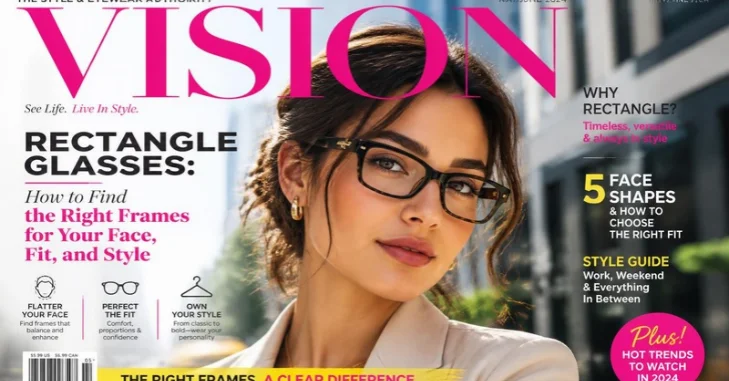
Rectangle glasses combine clean lines, balanced proportions, and a shape that works across many personal styles. Their angular profile can add definition to softer facial features without demanding an overly bold look. The right pair should also fit comfortably across your bridge, temples, and cheeks.
Direct answer: Rectangle glasses have lenses that are wider than they are tall, usually with defined corners and horizontal lines. They often complement round and oval faces by adding structure. Frame width, bridge fit, material, and personal style matter more than following a strict face-shape rule.
Rectangle Glasses at a Glance
| Feature | What to Know |
| Shape | Wider horizontally than vertically |
| Common materials | Acetate, metal, and mixed materials |
| Popular colors | Black, tortoiseshell, clear, brown, silver, and gold |
| Often paired with | Round, oval, heart, and some triangle face shapes |
| Style effect | Structured, clean, understated, or bold |
| Best sizing approach | Match frame width and bridge fit to your proportions |
| Everyday use | Suitable for casual, professional, and dressier outfits |
| Prescription options | Available in many prescription and non-prescription designs |
Why Rectangle Frames Remain a Practical Choice
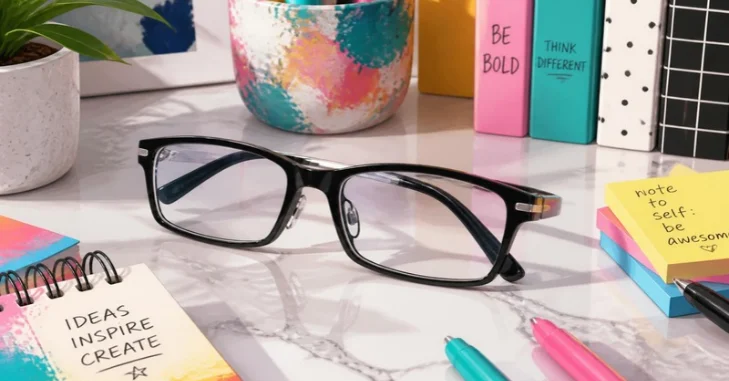
Rectangle glasses frames have a straightforward silhouette that rarely depends on one narrow fashion trend. Thin designs can look understated, while thicker acetate creates a stronger visual statement. This flexibility makes the shape useful across work, casual, and dressier wardrobes.
Their horizontal lines also create visible structure around the eyes. That contrast can be especially noticeable on faces with softer curves. Still, comfort and proportion should guide your final choice more than any styling formula.
Modern designs also offer considerable variety within the basic shape. Corners can be sharp, gently rounded, narrow, oversized, or slightly upswept. Those small differences can change how a frame interacts with your facial features.
Which Face Shapes Suit Rectangle Glasses?
Face-shape advice works best as a starting point, not a fixed rule. Current eyewear guides commonly recommend rectangular designs for round and oval faces because angular lines create contrast. Heart and triangle shapes can also work with carefully chosen proportions.
Round Faces
Round faces generally feature softer curves with similar facial width and length. A rectangular frame introduces straight lines that contrast with those curves. Wider frames can also create a more horizontally defined appearance.
Avoid choosing a pair solely because the shape looks angular. Check whether the frame extends comfortably across your face without looking excessively wide. The bridge should also remain stable without pinching or sliding.
Oval Faces
Oval faces tend to work with many different eyewear silhouettes. A rectangular design can introduce sharper definition while preserving the face’s naturally balanced proportions. Medium-width frames often provide an easy starting point.
Extremely narrow lenses can visually lengthen an already long face. Oversized frames may dominate smaller features instead. Try proportions that keep your eyebrows, cheeks, and frame width visually balanced.
Heart-Shaped Faces
Heart-shaped faces commonly have a broader forehead and narrower chin. Rectangular frames can work as long as they don’t add too much weight near the upper face. Slimmer rims or softer corners can create a lighter effect.
Frame color can further shift that balance. Clear acetate and thin metal usually appear lighter than thick black rims. Tortoiseshell provides more visual detail without always feeling as strong as solid black.
Square Faces
A square face does not automatically rule out angular eyewear. Rectangular designs can emphasize an already defined jawline and facial structure. Choose them when you want to reinforce those angles rather than soften them.
Slightly rounded corners offer a useful middle ground. They preserve the horizontal shape while reducing some visual sharpness. Personal preference should decide whether you want contrast or stronger definition.
How to Choose Rectangle Glasses That Fit Properly
A flattering shape loses its appeal quickly when the frame constantly slides or pinches. Start by comparing the overall width to the widest part of your face. The temples should sit comfortably without pushing outward.
Next, examine the bridge carefully. A good bridge should remain stable without creating uncomfortable pressure on your nose. Your eyes should also appear reasonably centered within each lens.
Check your cheeks when you smile. Frames that repeatedly touch or lift with your cheeks may feel distracting throughout the day. Small adjustments can matter as much as the general frame shape.
Temple length deserves attention too. The arms should reach behind your ears without excessive pressure or loose movement. An optician can often make minor adjustments when an otherwise suitable frame needs refinement.
Acetate vs. Metal Rectangle Frames
Material changes the appearance, weight, and character of rectangular eyewear. Acetate usually creates more visible presence and offers broad color possibilities. Metal often creates a slimmer, more understated profile.
| Feature | Acetate Frames | Metal Frames |
| Visual effect | Bold to moderate | Light to refined |
| Color choices | Extensive | Often neutral or metallic |
| Frame thickness | Usually thicker | Usually thinner |
| Style direction | Modern, retro, expressive | Minimal, professional, classic |
| Best consideration | Color and frame weight | Bridge fit and nose pads |
Acetate works well when you want eyewear to become part of your outfit. Black creates strong definition, while clear finishes produce a lighter impression. Tortoiseshell can introduce warmth and visual texture.
Metal is useful when you prefer less visual weight around your eyes. Silver, gunmetal, black, and gold finishes can shift the mood considerably. Titanium is also used in eyewear because it can combine low weight with durability.
Choosing the Right Frame Color
Black rectangular frames create a strong outline and pair easily with neutral clothing. They can suit professional wardrobes, streetwear, and minimalist outfits. Thick black rims naturally attract more attention than thin versions.
Tortoiseshell introduces several tones within one frame. That variation can work especially well with brown, cream, navy, olive, and denim. It also offers an alternative when solid black feels too severe.
Clear and translucent frames keep the shape visible without creating a heavy border around your eyes. They pair easily with lighter clothing and relaxed wardrobes. Colored transparent acetate can add personality while maintaining that lighter effect.
Metal finishes offer another direction. Silver and gunmetal can feel cool and restrained, while gold adds warmth. Consider your jewelry and everyday accessories when choosing between those finishes.
How to Style Rectangle Glasses
Eyewear works best when it connects naturally with the rest of your appearance. Start with the visual weight of your frames, then balance your hair and clothing around them. A bold frame rarely needs several competing accessories near your face.
For casual outfits, pair medium-width frames with denim, simple shirts, knitwear, or clean sneakers. Neutral acetate works particularly well with these everyday combinations. StudioStylee’s modern hipster style guide offers more ideas for integrating eyewear with casual menswear.
Professional outfits usually benefit from cleaner frame colors and controlled proportions. Black acetate, dark tortoiseshell, gunmetal, or thin silver frames can complement tailored clothing. Keep other accessories simple when your eyewear already provides strong facial definition.
Your hairstyle can also affect how prominent your frames appear. Fuller hair creates more visual activity around the face, while short styles expose the frame completely. StudioStylee’s wavy hairstyles guide for men discusses balancing fuller hairstyles with lighter eyewear.
Glasses can remain a major style feature later in life. Hair color often changes which frame colors feel most balanced near your face. The StudioStylee guide to gray hair for men includes additional eyewear and wardrobe pairing ideas.
Women can apply the same principle by considering hair volume, color, and frame weight together. Strong frames can become a focal point, while thinner designs create less competition. See StudioStylee’s guide to hairstyles for women over 50 with glasses for more styling ideas.
Rectangle Frames for Work and Everyday Wear
A narrow or medium rectangular frame can fit naturally into professional wardrobes. Its straight lines complement structured shirts, jackets, and tailored clothing. Neutral colors also make daily outfit planning easier.
On weekends, you can experiment with thicker rims, translucent acetate, or bolder colors. The basic silhouette remains recognizable even when the details become more expressive. This makes one shape adaptable to several different aesthetics.
Consider your daily routine before choosing an especially bold design. Someone who wears glasses for every activity may value versatility more than novelty. A second pair can provide more freedom when you want a stronger statement.
Common Mistakes When Choosing Rectangular Frames
One common mistake is buying frames based only on face shape. Two people with similar facial outlines can have different bridge widths, hairstyles, and personal preferences. Those differences can completely change which pair feels right.
Another mistake is ignoring scale. Frames that are too narrow can make the temples flare outward or create unwanted pressure. Oversized designs can slide, dominate smaller features, or interfere with cheek movement.
Color also deserves more thought than it often receives. A popular color may not fit your wardrobe or preferred level of contrast. Consider the clothing, jewelry, and accessories you wear most frequently.
Finally, don’t treat style advice as a rulebook. Eyewear sits directly on your face, so personal comfort matters. The pair you enjoy wearing consistently is more useful than one chosen from a formula.
Are Rectangle Glasses Still in Style?
Yes, the rectangular silhouette remains common across contemporary eyewear collections. Current retailers continue offering the shape in acetate, metal, full-rim, and minimal variations. Its adaptability helps explain why the design keeps returning in different proportions.
Fashion changes the details more often than the basic geometry. One period may favor narrow frames, while another shifts toward thicker or oversized designs. Choosing balanced proportions can give your pair more staying power.
How to Make Your Final Choice
Start with two or three designs instead of trying dozens without a clear direction. Compare one thin option, one medium frame, and one stronger acetate design. This approach makes differences in scale and visual weight easier to recognize.
Take front and side photos while trying each pair. Photos can reveal width, temple flare, and proportions that are harder to judge in a mirror. Wear each option long enough to notice pressure around your bridge and ears.
Then consider your normal wardrobe. The right glasses should work with clothes you already enjoy wearing. They should feel like part of your style, not a separate costume.
Find a Pair That Fits Your Personal Style
The strongest frame choice balances shape, proportion, comfort, and personal taste. Rectangle glasses give you plenty of room to adjust each factor without abandoning their recognizable silhouette. Small changes in width, material, color, and corner shape can create noticeably different results.
Use face shape as a guide, then pay closer attention to fit and your daily wardrobe. Compare several frame weights before deciding which feels natural on you. Explore more fashion and grooming ideas across StudioStylee to build a look that works beyond your eyewear.
Frequently Asked Questions About Rectangle Glasses
What face shape looks best with rectangle glasses?
Round and oval faces often pair naturally with rectangular frames because angular lines create visual contrast. Heart and triangle faces can also suit carefully proportioned versions. Fit and personal preference remain more important than any single face-shape guideline.
Are rectangular glasses good for round faces?
Yes, they are a popular option for round faces. Straight lines and defined corners can contrast with softer facial curves. Choose a width that fits comfortably rather than selecting the widest frame available.
Are rectangular frames suitable for everyday wear?
Yes, their simple geometry works across casual and professional settings. Neutral colors make them especially easy to coordinate with different outfits. Proper bridge and temple fit remain essential for comfortable daily use.
Should I choose acetate or metal frames?
Choose acetate when you want more color, thickness, or visual presence. Choose metal when you prefer a lighter, more understated look. Comfort, construction, and fit should guide the decision alongside style.
Can square faces wear rectangular frames?
Yes, especially when you want to emphasize angular facial features. Softer corners can reduce the effect if sharp rectangles feel too severe. Trying several proportions gives you a clearer answer than relying on face shape alone.
What color rectangular frames are easiest to wear?
Black, tortoiseshell, clear, silver, and gunmetal are versatile starting points. Your hair color, wardrobe, and usual accessories can help narrow the choice. Pick a color you can comfortably repeat across different outfits.