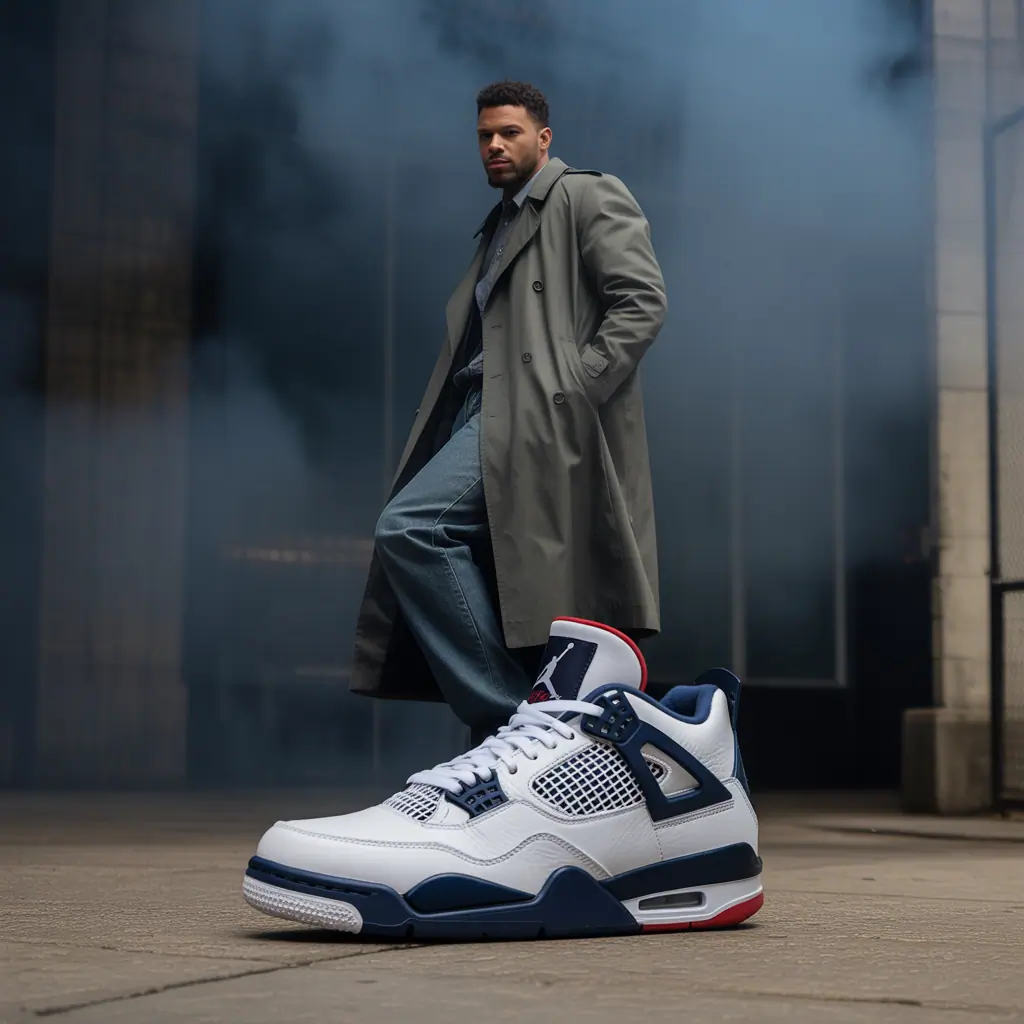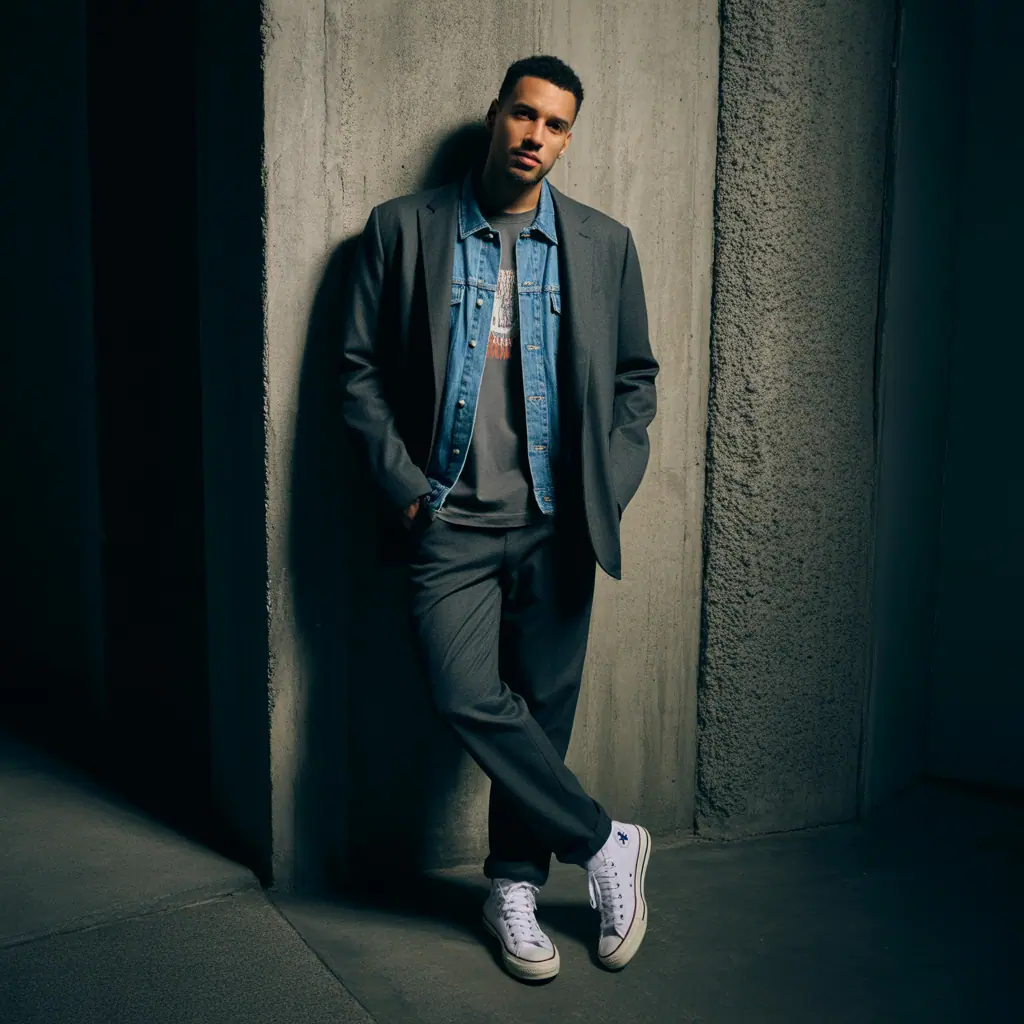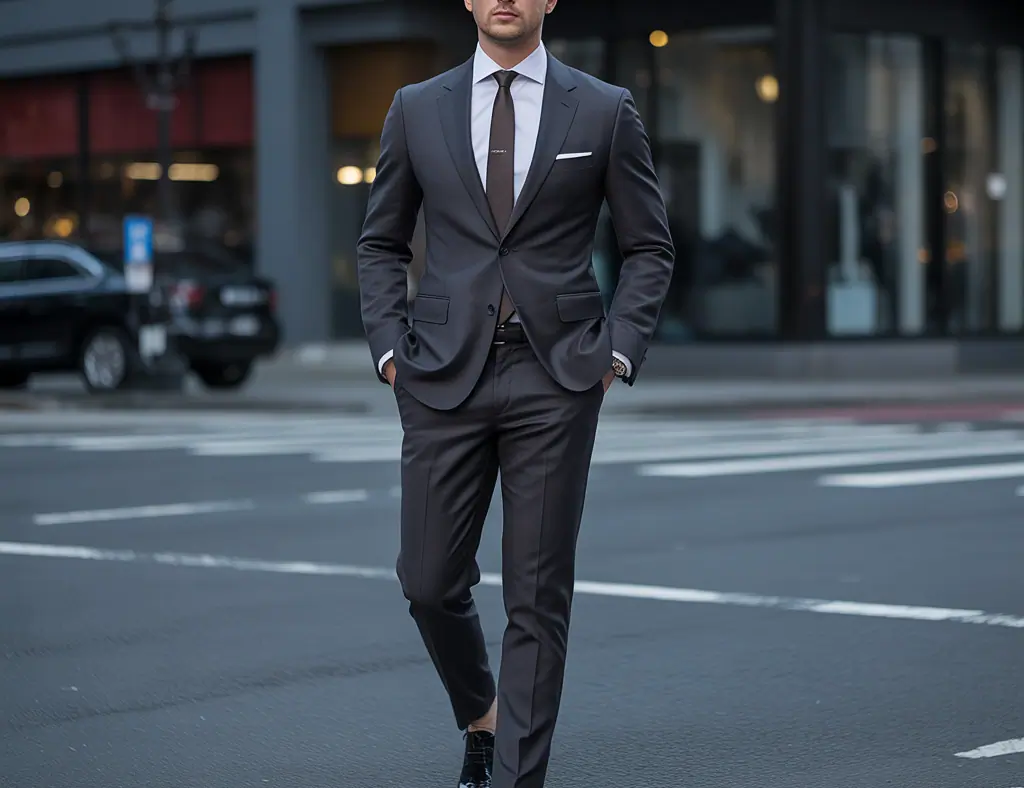
Ever stand in front of your closet, holding a shirt that looks great on the hanger but somehow feels off when you wear it? You’re not alone. Finding the right fits men actually enjoy wearing — flattering, comfortable, and versatile — is the secret to looking confident without trying too hard.
Why fit matters more than fashion trends
Trends come and go, but how your clothes fit defines your silhouette and presence. A well-fitting jacket, shirt, or pair of trousers can elevate even the most basic outfit. Think of fit as the foundation: the right proportions and cuts make colors, fabrics, and accessories work together. That’s why investing in the right fit — slim fit, athletic fit, or a tailored regular fit — pays off more than chasing fast-fashion pieces.
Quick fit checklist: What to look for
- Shoulders: Seam should sit at the end of your shoulder bone.
- Chest and torso: You should be able to move easily without visible pulling across buttons or lapels.
- Sleeve length: Shirt cuffs should show about 1/4–1/2 inch beyond a jacket sleeve; short sleeves should hit mid-bicep.
- Pants rise and waist: Comfortable when standing and sitting; no gaping or squeezing.
- Trouser break: A slight break at the shoe for casual looks, minimal break for modern, tailored styles.
How to choose based on body type
Slim or lean builds
Look for slim-fit shirts and tapered trousers that create clean lines without clinging. Structured blazers and layers add visual weight in the right places.
Athletic builds
Opt for athletic-fit pieces that have wider shoulders and a narrower waist. Stretch fabrics and cut-to-shape designs accommodate muscular frames without excess material.
Broader or fuller builds
Choose regular or classic fits with slight tailoring to avoid a boxy look. Darker colors, vertical patterns, and single-breasted jackets with longer lines create a slimming effect.
Signature outfits and real-world combinations
Below are practical outfit combinations you can adopt immediately. These mixes focus on fit, proportion, and easy-to-find staples.
Weekend casual — effortless and comfortable
Dark slim jeans, a well-fitted white tee, and a lightweight bomber or denim jacket. Finish with leather low-top sneakers. Make sure the tee fits closely at the chest and sleeves — not baggy.
Office smart casual — modern and professional
Chinos in navy or khaki, an oxford button-down shirt (tailored or slim fit), and a unstructured blazer. Add loafers or derby shoes. The blazer should skim your shoulders and nip slightly at the waist.
Date night or evening out — sharp and understated
Dark tailored trousers, a crisp button-up or a fitted knit polo, and a sleek leather jacket or blazer. A fitted, minimal belt and Chelsea boots complete the look.
Fits men should own: wardrobe essentials
Every man benefits from owning a handful of pieces in trusted fits. These staples are the building blocks of a reliable wardrobe:
- A tailored navy blazer — versatile for work and evenings.
- A white button-down in a slim or regular tailored fit.
- Dark straight or slim jeans — not too tight, not too loose.
- Neutral chinos with a clean break.
- Quality leather sneakers and a pair of dress shoes (Derbies or loafers).
Tailoring tips: small changes, big impact
You don’t need a bespoke wardrobe to look polished. Basic tailoring — shortening sleeves, hemming trousers, taking in the waist of a blazer — can transform off-the-rack garments. Spend on a few key alterations: shoulder changes are expensive, but hems and waist adjustments are cost-effective and highly noticeable.
Fabric, seasonality, and comfort
Fabrics affect both comfort and drape. Lightweight cottons and linens breathe in summer; wool and flannel hold structure in winter. Stretch blends are great for active days, while pure fibers (cotton, wool, silk) offer better longevity. Balance style and comfort by choosing the right fabric for the season and activity.
Styling tips every man can use
- Invest in one well-fitted blazer and one overcoat — they instantly upgrade outfits.
- Keep proportions balanced: if your jacket is boxy, go slimmer on pants; if pants are relaxed, keep the top tailored.
- Use color blocking sparingly — neutral pairs (navy, gray, white, tan) give more flexibility.
- Rotate shoes and maintain them — polished shoes elevate even simple fits.
- Know when to size up: comfort matters, especially in outerwear and active pieces.
Where to learn more and shop smart
Start with a capsule wardrobe and refine from there. If you want a practical guide to basics, check out our style lessons on Men’s Style Basics. For seasonal outfit ideas and how fits change with weather, read our guides on Seasonal Looks. And if grooming completes your look, these quick pointers are in our Grooming Tips section.
Frequently Asked Questions
1. What fits men should prioritize when starting a wardrobe?
Prioritize a well-fitted blazer, a white button-down, dark jeans, and a good pair of shoes. These pieces create many outfits and teach you what proportions suit you.
2. How do I know if a shirt fits properly?
A properly fitted shirt sits at the shoulder seam, allows a full range of motion, and doesn’t pull at the buttons. Collar should allow one finger to fit between your neck and the fabric for comfort.
3. Is tailoring worth it for off-the-rack clothes?
Yes. Simple alterations (hemming pants, tapering waists, shortening sleeves) are affordable and make mass-produced garments look bespoke, improving both comfort and appearance.
Conclusion — Make the right fits men reach for everyday
Finding the right fits men want to wear is about balance: proportion, comfort, and context. Start with a few well-fitted staples, use targeted tailoring, and pay attention to fabric and season. With these steps you’ll build outfits that look intentional and feel effortless.
Ready to upgrade your wardrobe? Try one tailoring tweak this week or pick one staple to replace with a better-fitting version — your closet (and confidence) will thank you.