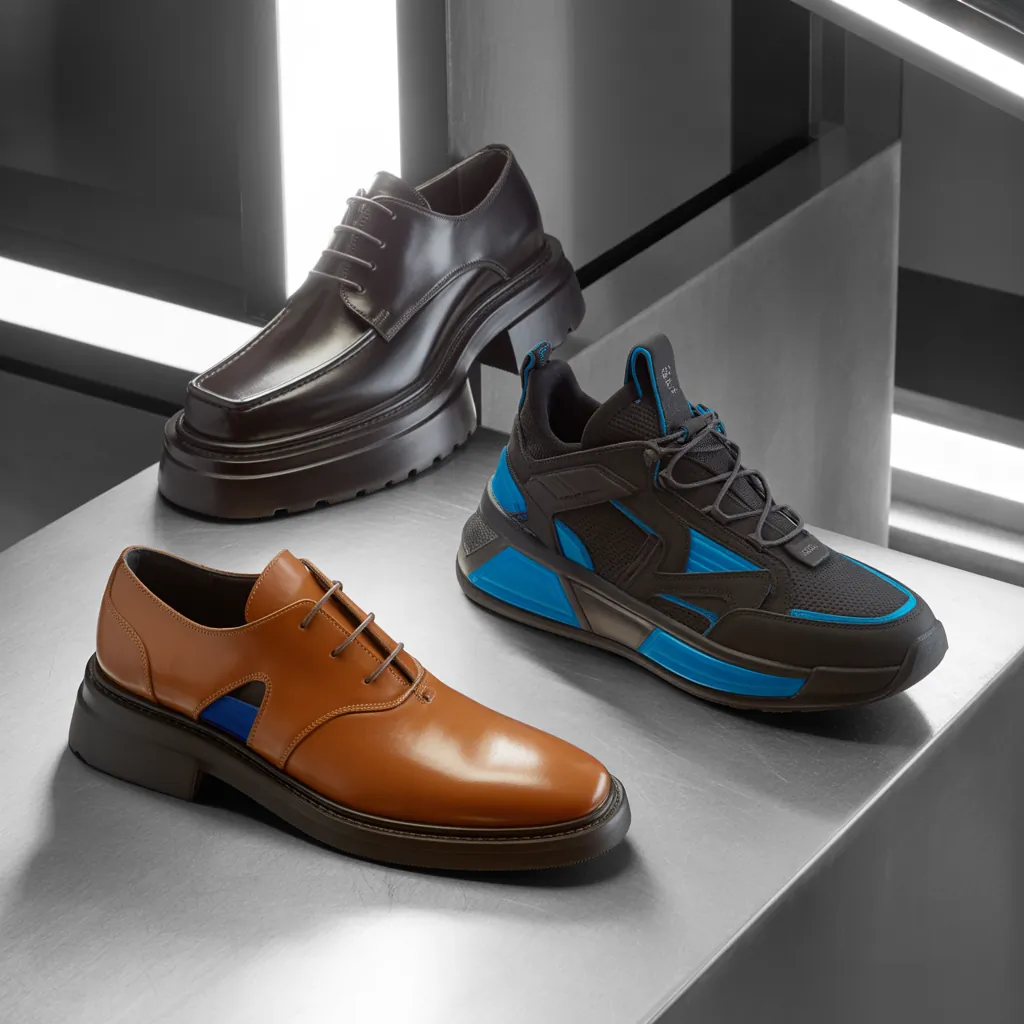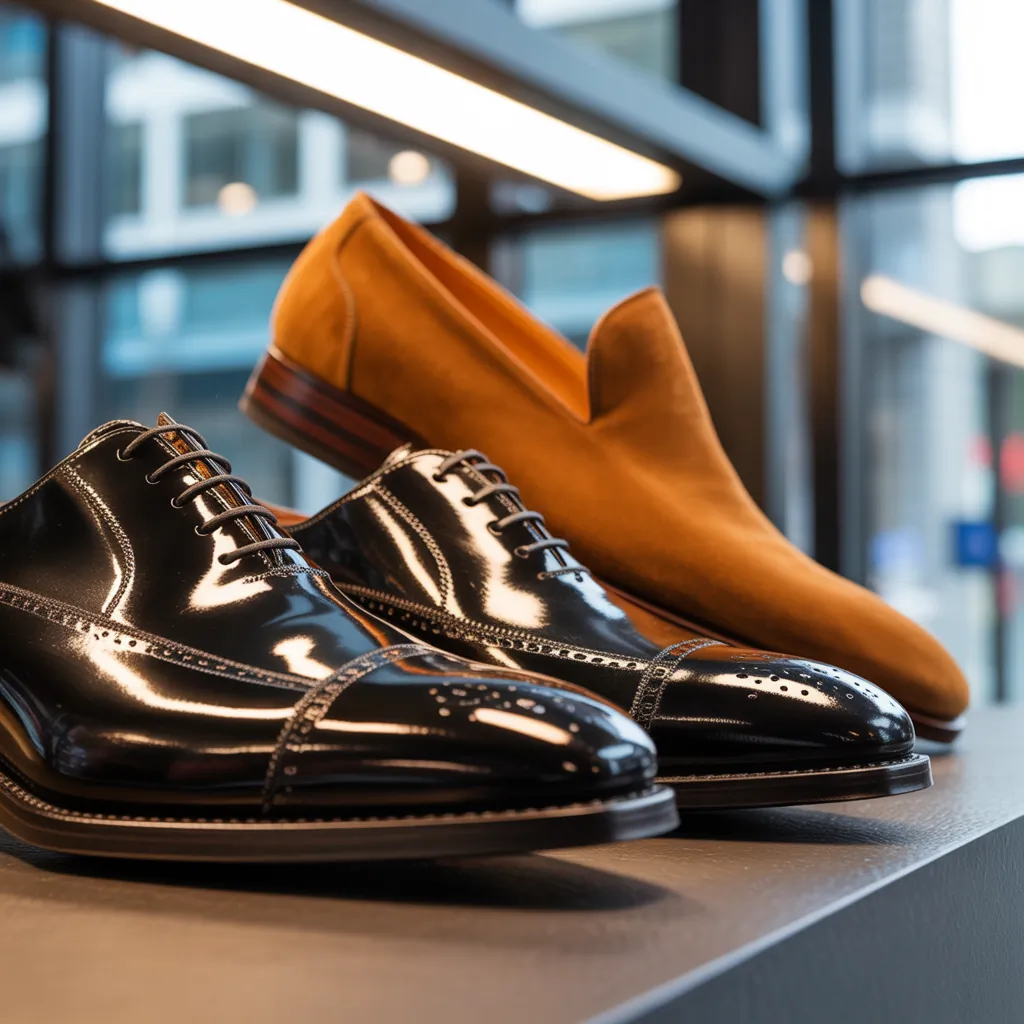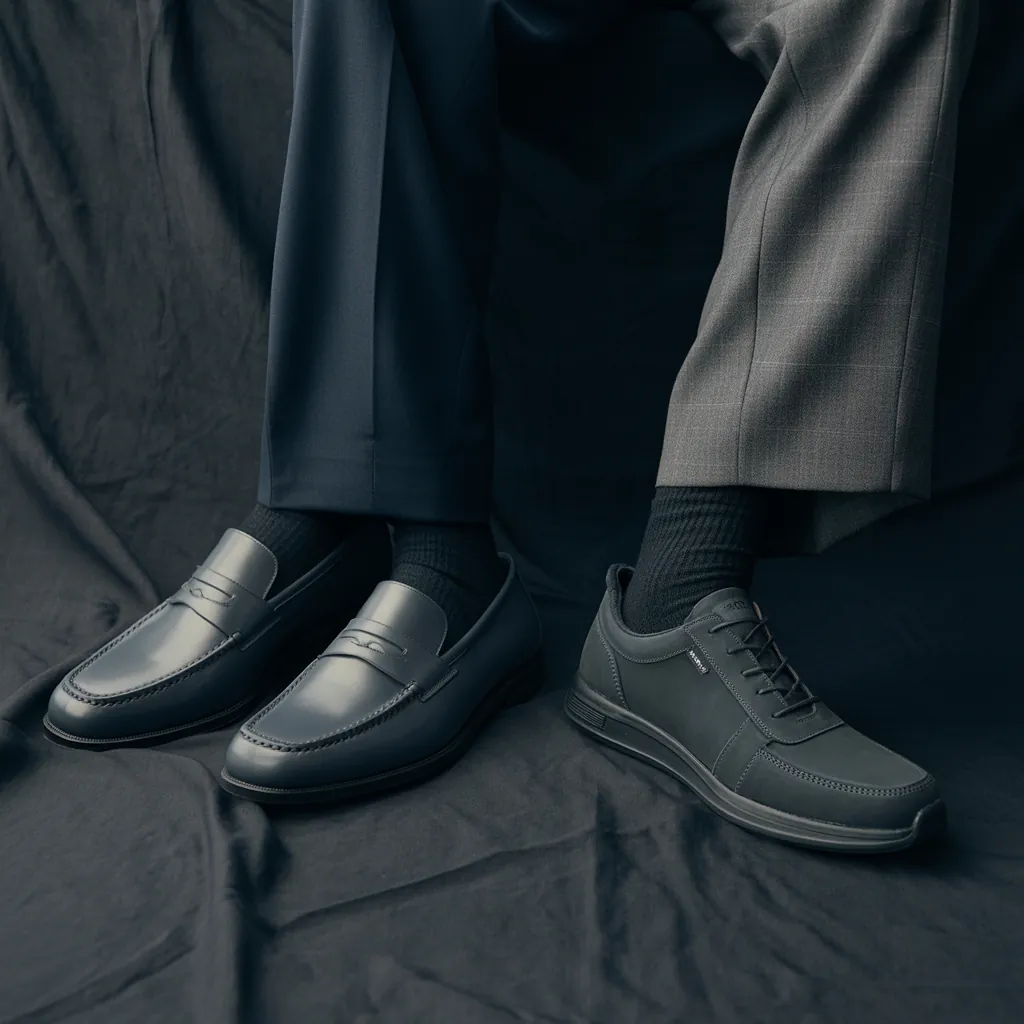
Ever caught yourself limping down the subway stairs or skipping the after-work drinks because your feet hate you by 6 p.m.? If so, you’re not alone. As a guy who cares about both style and comfort, discovering the right pair of orthopedic shoes felt like finding a secret hack—suddenly I could walk further, stand longer, and still look sharp. This guide shows how to choose orthopedic footwear that actually looks good with real outfits, not just medical shoes tucked away in a closet.
Why Choose Orthopedic Shoes?
Orthopedic shoes (also called supportive shoes or orthopedic footwear) are designed to provide enhanced arch support, cushioning, and stability. They’re not just for recovery—many men benefit from orthotic-friendly sneakers or comfortable dress shoes with arch support to prevent plantar fasciitis, reduce knee pain, and improve posture. Think of them as functional wardrobe investments that help you feel better all day.
How Orthopedic Shoes Improve Comfort and Performance
Here are a few features to look for:
- Removable insoles: Allow for custom orthotics or upgraded cushioning.
- Arch support: Proper support distributes pressure and reduces foot fatigue.
- Wide toe box: Prevents pinching and bunion irritation.
- Firm heel counter: Stabilizes the foot and controls pronation.
- Cushioned midsoles and rocker soles: Smooth the gait and absorb shock.
- Breathable uppers: Keep feet dry and reduce odor over long days.
Orthopedic Shoes: Style Tips and Outfit Combinations
Being supportive doesn’t mean sacrificing style. Here are outfit combos that make orthopedic shoes look intentional and on-trend.
Smart Casual — Weekend Brunch
Pair leather orthopedic sneakers or low-profile orthopedic loafers with tapered chinos, a plain tee, and a lightweight bomber jacket. Choose neutral shoe colors—navy, brown, or black—to keep the look polished while enjoying the comfort of orthotic-friendly shoes.
Business Casual — Office Ready
Opt for comfortable dress shoes with arch support in a classic silhouette. A cap-toe derby with a removable insole works well under tailored trousers and an unstructured blazer. You get the look of a dress shoe with the support of orthopedic footwear—ideal for men who stand in meetings or commute on foot.
Travel & Commuting — All Day Comfort
For flights or a day of walking, pick orthopedic sneakers with cushioned midsoles and breathable mesh uppers. Pair them with slim joggers or dark denim and a technical jacket. These shoes keep your feet fresh and prevent post-travel aches.
How to Choose the Best Orthopedic Shoes for Men
Finding the right pair is part science, part style. Follow this checklist:
- Measure both feet in the evening (feet swell throughout the day).
- Try shoes with the socks you plan to wear daily.
- Test the removable insole if you use custom orthotics.
- Walk on a hard surface to evaluate midsole cushioning and heel stability.
- Check return policies—good retailers allow easy returns if the fit isn’t right.
If you have conditions like plantar fasciitis or flat feet, look for the best orthopedic footwear for plantar fasciitis or shoes with enhanced arch support and a stiff midsole. A podiatrist-approved shoe can make a big difference.
Care and Maintenance Tips
Keep orthopedic shoes performing and looking sharp with these easy habits:
- Rotate pairs to allow insoles to air out.
- Use shoe trees for leather shoes to maintain shape.
- Clean breathable uppers with a soft brush and mild soap; condition leather regularly.
- Replace insoles every 6–12 months depending on wear.
Real-World Advice from a Men’s Fashion Perspective
Based on testing different supportive shoes, my practical takeaways:
- Don’t assume orthopedic means ugly. Many brands now offer sleek, minimalist designs that fit modern wardrobes.
- Stick to versatile colors and silhouettes; a neutral sneaker or derby pairs with most outfits.
- Match the shoe’s formality to your outfit—chunkier orthopedic trainers with casual wear, sleeker orthopedic loafers or oxfords for dressier looks.
- Invest in one high-quality pair first. Comfort often scales with materials and construction.
Frequently Asked Questions
1. Are orthopedic shoes only for older people?
No. Orthopedic shoes are for anyone who needs extra support—athletes, commuters, and men with foot conditions like plantar fasciitis or bunions. They’re functional footwear that can suit any age.
2. Can orthopedic shoes be stylish enough for work or social events?
Absolutely. Today’s orthopedic sneakers and dress shoes come in refined silhouettes and materials. Choose leather or suede options in classic colors to maintain a polished look.
3. How do I know if I need orthotic-friendly shoes?
If you experience persistent foot, knee, or lower back pain, or if you’ve been advised by a doctor or podiatrist, orthotic-friendly shoes with removable insoles are a smart step. Also consider them if you spend long hours on your feet.
Where to Start — Try These Pages
If you’re ready to upgrade your footwear, check out our picks for everyday outfits and how to pair sneakers with tailored looks in the Men’s Style Guide. For the latest comfortable sneaker trends and best orthotic-friendly trainers, see our roundup at Best Sneakers 2026. Need help with sizing? Visit our fitting tips on How to Fit Shoes.
Conclusion — Step Confidently in Orthopedic Shoes
Orthopedic shoes aren’t a compromise between comfort and style—they’re an upgrade. Whether you’re after the best orthopedic shoes for men to combat plantar fasciitis, or just want supportive footwear that complements your wardrobe, there’s a stylish option out there. Try a neutral, well-constructed pair with removable insoles, test them in real-life conditions, and build outfits around their silhouette. Your feet (and your outfits) will thank you.
Ready to feel the difference? Start by trying one supportive pair this season—browse your closet, pick the outfits you wear most, and choose orthopedic shoes that enhance both comfort and style. Learn more in our Men’s Style Guide and discover curated picks in Best Sneakers 2026.