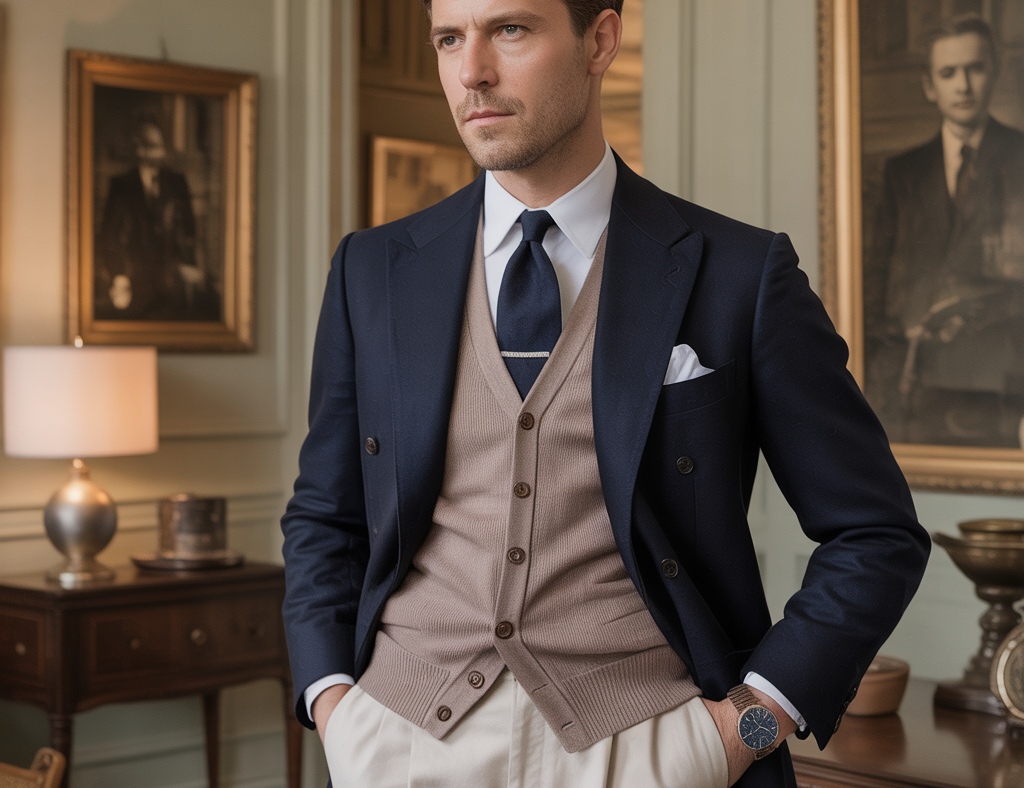
Ever stood in front of your closet and wished you could look effortlessly put-together—like you walked off a yacht but didn’t try? That’s the appeal of old money outfits: understated, impeccably tailored, and quietly luxurious. In this guide I’ll walk you through the mindset, core pieces, outfit combinations, and real-world style tips to help you build a wardrobe that reads classic, not ostentatious.
What “Old Money” Really Means in Menswear
Old money style (also called quiet luxury or heritage menswear) isn’t about logos or flashy trends. It’s about quality fabrics, timeless silhouettes, neutral palettes, and perfect fit. Think cashmere crewnecks, tailored blazers, loafers, and well-cut chinos — pieces that age well and mix effortlessly. The goal: outfits that signal refinement without announcing it.
Old Money Outfits: Core Principles
1. Prioritize tailoring
No matter how expensive the fabric, a poor fit ruins the look. Invest in a trusted tailor who can adjust sleeve length, taper trousers, and shape jackets. A few small alterations transform off-the-rack garments into signature pieces.
2. Stick to a neutral palette
Colors matter: navy, camel, olive, cream, grey, and deep brown are the backbone of old money outfits. These colors layer well and create a cohesive wardrobe you can mix and match easily.
3. Choose quality fabrics
Natural fibers like wool, cashmere, linen, and cotton look and wear better over time. Look for mid-to-heavy weight wools for blazers, flannel or worsted wool trousers, cotton oxford shirts, and lightweight linen for summer.
Outfit Ideas: From Casual to Formal
Here are practical outfit combinations you can wear now, adapted to seasons and occasions.
Casual Weekend: The Elevated Everyday
- Top: Cream or navy cotton polo or cashmere crewneck
- Bottom: Slim but not skinny chinos in khaki or olive
- Shoes: Brown leather loafers or suede driving shoes
- Outerwear: Lightweight quilted vest or a Harrington jacket
- Accessories: Simple leather belt and a minimal watch
Smart Casual: Lunch or Office Casual
- Top: Button-down Oxford shirt, navy blazer
- Bottom: Grey flannel trousers or dark selvedge jeans
- Shoes: Penny loafers or cap-toe derbies
- Accessories: Silk pocket square in muted pattern
Formal / Business: Timeless and Professional
- Suit: Navy or charcoal single-breasted, two-button suit
- Shirt: Crisp white or pale blue dress shirt
- Tie: Subtle texture, solid or simple pattern (regimental stripe, small dots)
- Shoes: Polished brown or black oxfords
- Finishing touches: Leather briefcase and a classic watch
Key Pieces to Build Your Old Money Wardrobe
Start with a capsule of versatile items. Investing in these staples makes outfit-building effortless:
- Navy blazer (structured, single-breasted)
- Dark wool trousers and khaki chinos
- White and light-blue oxford shirts
- Cashmere crewneck and merino v-neck sweaters
- Neutral overcoat (camel or navy)
- Brown loafers, black oxfords, and desert boots
- Minimal leather belt and understated leather bag
Practical Style Tips That Make a Difference
Small details elevate an outfit from ordinary to classic:
- Keep shoelaces clean and shoes polished — condition leather to avoid cracks.
- Rotate clothes to prevent over-wearing; proper hangers help maintain shape.
- Choose matte fabrics over shiny ones for a more authentic old money look.
- Limit visible branding — the less logo, the better.
- Pay attention to proportions: break the body with layers, not bulk.
Seasonal Adjustments for Old Money Outfits
Adapt the aesthetic to weather without losing the essence:
Spring / Summer
Replace heavy wool with linen-blend blazers, lightweight chinos, and breathable cotton polos. Opt for lighter neutrals like cream, light grey, and khaki.
Fall / Winter
Layer wool overcoats, cable-knit sweaters, and tweed blazers. Richer tones—olive, camel, burgundy—work well. Swap loafers for leather boots when it’s wet.
Accessorize Like a Pro
Accessories should complement, not shout. A slim leather belt, a silk pocket square, a discreet watch, and a pair of tortoiseshell sunglasses are enough. Avoid chunky logos and overly trendy pieces.
Maintaining the Look: Care and Longevity
Old money outfits are an investment. Care tips:
- Have suits and blazers dry-cleaned sparingly — use a steamer at home for wrinkles.
- Rotate footwear and use shoe trees to preserve shape.
- Store seasonal items in breathable garment bags and use cedar to deter moths.
Frequently Asked Questions
1. What shoes should I wear with old money outfits?
Classic leather shoes like loafers, brogues, and oxfords in brown or black are staples. Suede loafers and chukka boots work for casual looks. Prioritize quality leather and proper care.
2. Can I pull off the old money aesthetic on a budget?
Yes. Focus on fit, neutral colors, and a few high-impact pieces (blazer, shoes) while filling gaps with affordable classics like oxford shirts and chinos. Alterations can elevate inexpensive garments.
3. How many blazers or suits do I need?
Start with one navy blazer and one versatile suit (navy or charcoal). Add a casual blazer (tweed or cotton) and a formal overcoat as you expand. Quality over quantity keeps the wardrobe cohesive.
Conclusion — Build Old Money Outfits That Last
Old money outfits are less about showing off and more about quiet confidence: tailored fits, quality fabrics, and timeless combinations. Start by curating a neutral capsule, get your pieces tailored, and focus on maintenance. You’ll find dressing well becomes easy when your wardrobe is built on classic foundations.
Ready to upgrade your wardrobe? Check my classic basics guide and the tailoring tips page to get started—then try one old money outfit this week and notice the difference.

