Ever watched someone walk into a room and immediately assume they come from wealth — not because of a logo, but because everything they wear looks effortless, expensive, and perfectly put together? If you’ve ever wanted that “quiet luxury” look without screaming designer labels, you’re in the right place. In this guide I’ll show you how to assemble old money outfits for men with smart pieces, confident fits, and real-world tips that actually work.
What is the “old money” aesthetic?
The old money style (also called quiet luxury, heritage style, or classic menswear) is about restraint, quality, and consistency. It’s not about flashy logos or trends; it’s about natural fabrics, muted colors, traditional patterns, and pieces that age well. Think navy blazers, cashmere sweaters, tweed blazers, loafers and perfectly tailored trousers. The goal is effortless, refined dressing.
Core principles: How to think about old money outfits for men
- Fit first: Even inexpensive items look premium when they fit. Prioritize tailoring for jackets, shirts, and trousers.
- Quality over quantity: Buy fewer, better pieces in natural fibers (wool, cotton, linen, cashmere).
- Neutral palette: Navy, camel, grey, olive and cream form the backbone of a classic wardrobe.
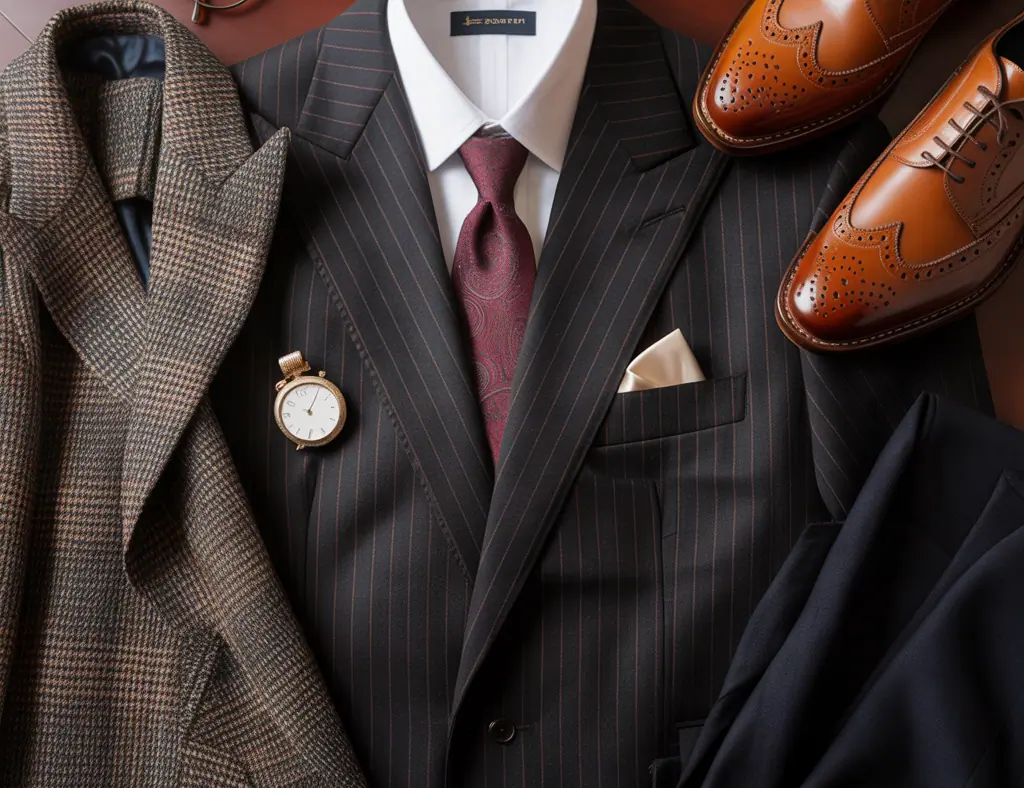
- Subtle details: Favor tonal patterns—herringbone, small checks, subtle stripes—and timeless accessories.
- Maintenance: Shoe care, ironing, and proper storage keep your clothes looking expensive.
Wardrobe essentials — the building blocks
These are the items to invest in if you want consistent old money outfits for men.
- Navy single-breasted blazer (unstructured or lightly structured)
- Grey flannel trousers and classic chinos
- Crisp white button-down shirts and oxford-cloth shirts
- Cashmere crewneck or V-neck sweaters in neutral tones
- Tweed or wool sport coat for colder months
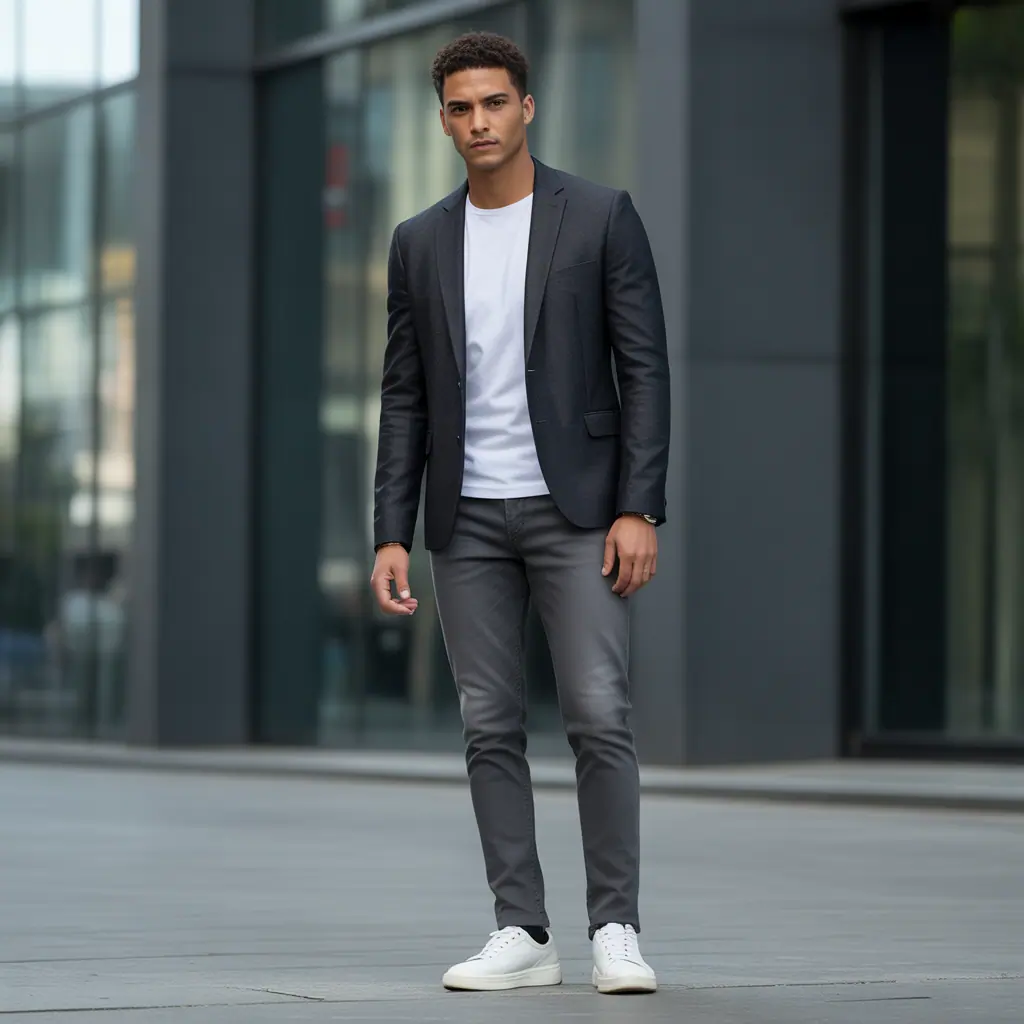
- Leather loafers, brown brogues, and a pair of clean white sneakers for elevated casual
- Wool overcoat or camel topcoat
- Simple leather belt, silk pocket square, and a classic watch
Outfit ideas and combinations
1. Weekend brunch — elevated casual
Light beige chinos, a soft navy knit sweater (or cashmere), crisp white sneakers or suede loafers, and a lightweight trench or field jacket. Add tortoiseshell sunglasses and a simple leather strap watch.
2. Office-ready — smart and understated
Navy blazer, white button-down, grey flannel trousers, brown leather loafers. Keep accessories minimal: leather belt that matches shoes, linen pocket square in a muted tone.
3. Country weekend — heritage dressing
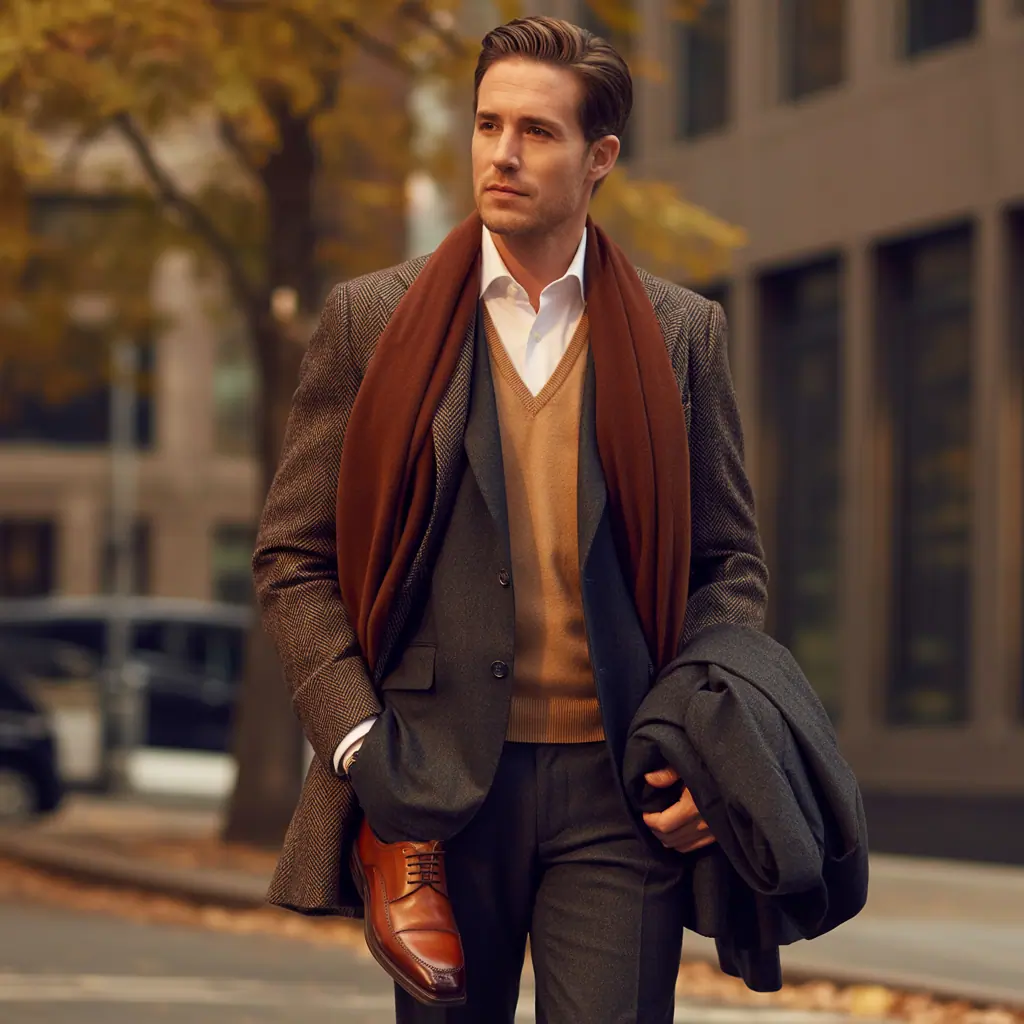
Tweed blazer layered over a chambray shirt, olive corduroy trousers, brown brogues or Chelsea boots, and a wool scarf. This look embraces texture and earthy tones.
4. Summer event — light and refined
Unlined linen blazer in olive or beige, white linen or cotton shirt, tailored cotton chinos, and brown leather loafers. Opt for breathable fabrics and lighter colors.
5. Travel outfit — comfortable but polished
Dark chinos, knit blazer or cardigan, white tee or polo underneath, clean sneakers, and a leather duffel or weekender. Layers help you adapt during transit.
Details that elevate: accessories and grooming
Old money outfits for men rely on thoughtful details:
- Shoes: Keep them polished and rotated. Invest in a good pair of loafers and brogues.
- Watch: A simple mechanical or classic quartz watch with leather strap reads timeless.
- Bags: Structured leather briefcase or understated canvas weekender.
- Belts & socks: Match leather tones and avoid loud novelty socks; choose subtle patterns or solid colors.
- Grooming: A clean haircut, neat facial hair, and well-maintained nails complete the look.
Fabrics, colors and patterns to favor
Focus on natural fibers—wool, cashmere, linen, cotton and leather. Stick to a neutral color story so pieces interchange easily. For patterns, small-scale checks, herringbone, and classic stripes maintain an air of tradition without being loud.
How to build a capsule for effortless old money outfits
Create a capsule wardrobe with about 20–30 versatile pieces. Start with the essentials listed above, then add 2–3 statement but classic pieces (a patterned sport coat, a camel overcoat, a pair of suede shoes). This approach makes getting dressed simple and always presentable.
Shopping and budget advice
You don’t need to spend a fortune. Allocate most of your budget to items that matter: shoes, outerwear, and a well-made blazer. Use mid-range brands for shirts and chinos and reserve splurges for pieces you wear daily (a quality overcoat, classic leather loafers). Learn basic tailoring — a few adjustments can make off-the-rack garments fit like custom.
Old Money Outfits for Men: Real-world style tips
- Tailor, tailor, tailor — sleeves and trouser length are the quickest ways to upgrade any outfit.
- Rotate shoes to extend life and keep soles in good condition.
- Use muted accessories; flash comes from fit and material, not logos.
- Layer thoughtfully — a cardigan under a blazer can look deliberate, not bulky.
- Lean into timeless over trendy — a navy blazer will always outlast a micro-trend jacket.
Frequently Asked Questions
1. What shoes work best with old money outfits?
Classic leather loafers, brown brogues, and clean minimal sneakers for casual looks. Stick to leather or suede in neutral browns, black, or navy and keep them well-cared-for.
2. Can I pull off the old money look on a budget?
Yes. Prioritize fit and a neutral color palette. Invest in a few key pieces (blazer, shoes, overcoat) and buy the rest from quality mid-range brands or second-hand. Tailoring is a budget-friendly way to elevate cheaper garments.
3. Is a logo-free wardrobe necessary?
Not strictly necessary, but quiet luxury favors minimal or no visible logos. The aesthetic is about understated quality rather than brand recognition.
Conclusion — Start building your old money outfits for men today
Old money outfits for men aren’t about copying a look — they’re about curating a wardrobe that reads timeless, thoughtful, and refined. Focus on fit, invest in key pieces, and keep your palette and patterns restrained. Start by upgrading one or two items this season: a navy blazer or a quality pair of loafers will change the way your whole wardrobe feels.
Ready to refine your closet? Check out our capsule wardrobe guide, learn essential alterations in our tailoring guide, and discover shoe care tips in the shoe care article. Take action — pick one upgrade, get it tailored, and you’ll notice the difference immediately.