Ever stood in front of your closet the morning of an important meeting and wondered which suit, shirt, and shoes actually say “confident professional”? You’re not alone. Whether you’re stepping into a boardroom, a wedding reception, or a formal dinner, mastering men’s formal style makes that first impression work in your favor.
Why men’s formal style still matters
Formal dressing isn’t just about rules—it’s about clarity. A well-chosen suit and thoughtful accessories communicate respect, attention to detail, and confidence. In today’s more casual world, refined formalwear helps you stand out for the right reasons: competence and class. Think of formalwear as a visual résumé that sets the tone before you speak.
Wardrobe essentials: the foundation of every formal look
Start with timeless pieces that mix and match easily. Prioritize fit and fabric over flash.
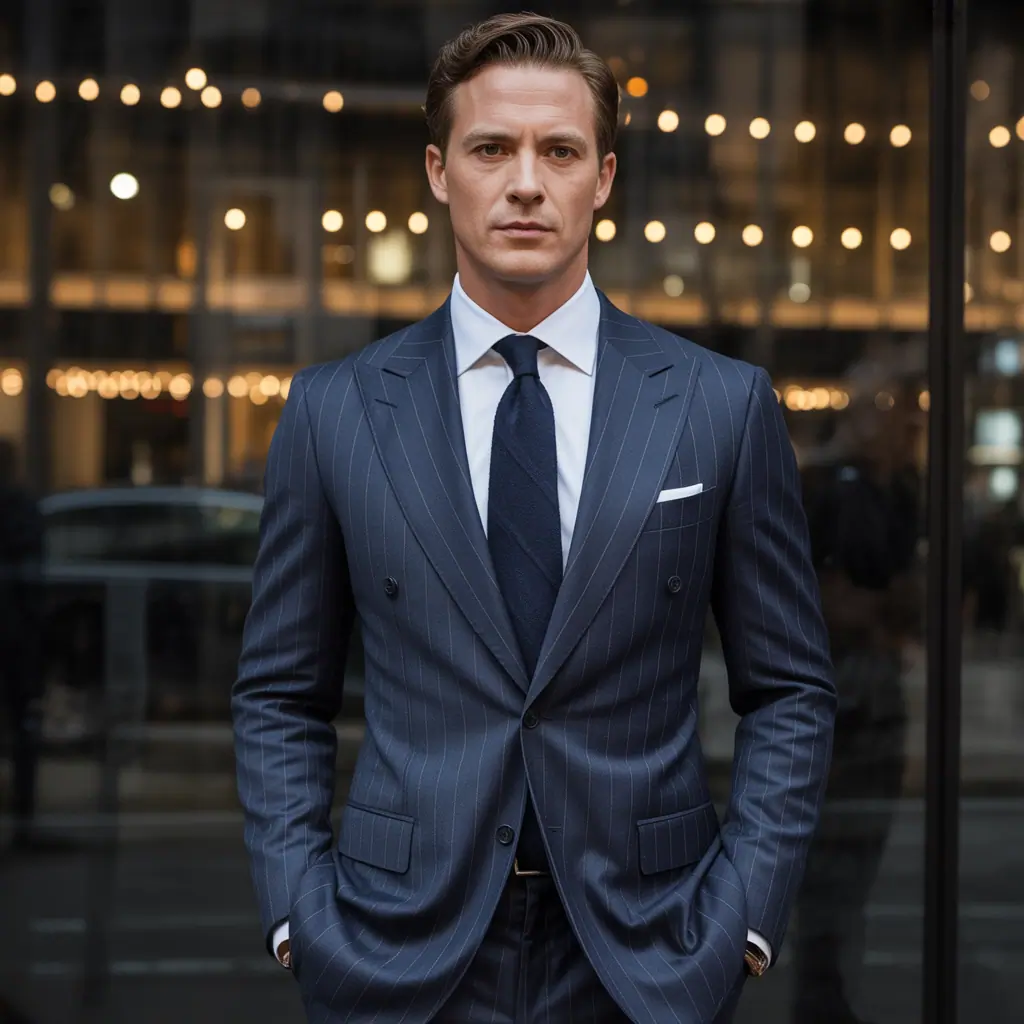
The suit: colors, cuts, and fabrics
- Colors: Start with navy and charcoal—versatile and appropriate for most formal settings. Add a black suit for evening and strictly formal events.
- Cut: A classic two-button, single-breasted jacket with natural shoulder works for most body types. For a modern silhouette, opt for a slight taper at the waist and trousers that break just under the shoe.
- Fabric: Choose wool or wool-blend suits for year-round wear. For hot climates, lightweight wool or linen-blends work well.
Shirts: fit, collars, and colors
Crisp white and light blue dress shirts are the backbone of men’s formal style. Ensure the collar fits snugly (you should be able to fit one finger between collar and neck) and that sleeves show about ½ inch of cuff beyond the jacket sleeve.
Shoes and belts
Invest in cap-toe Oxfords in black and brown. Match belt color to shoes and keep leather polished. For black-tie, patent leather or highly polished black oxfords are ideal. Need more on shoe choices? Check the detailed footwear breakdown in our Shoe Guide.
Accessories that matter
- Ties: Silk in solid colors or subtle patterns. Learn a classic knot like the Four-in-Hand or Half-Windsor.
- Pocket squares: Adds personality—keep it simple for formal events (white linen or silk).
- Watches: A slim dress watch with a leather strap complements formal looks. Avoid oversized sport watches.
- Cufflinks: Use them for French cuff shirts—minimal designs read as elegant.
Outfit combinations for real-world occasions
Here are practical combinations you can assemble this week—no fuss, just polished results.
Business formal: interview or boardroom
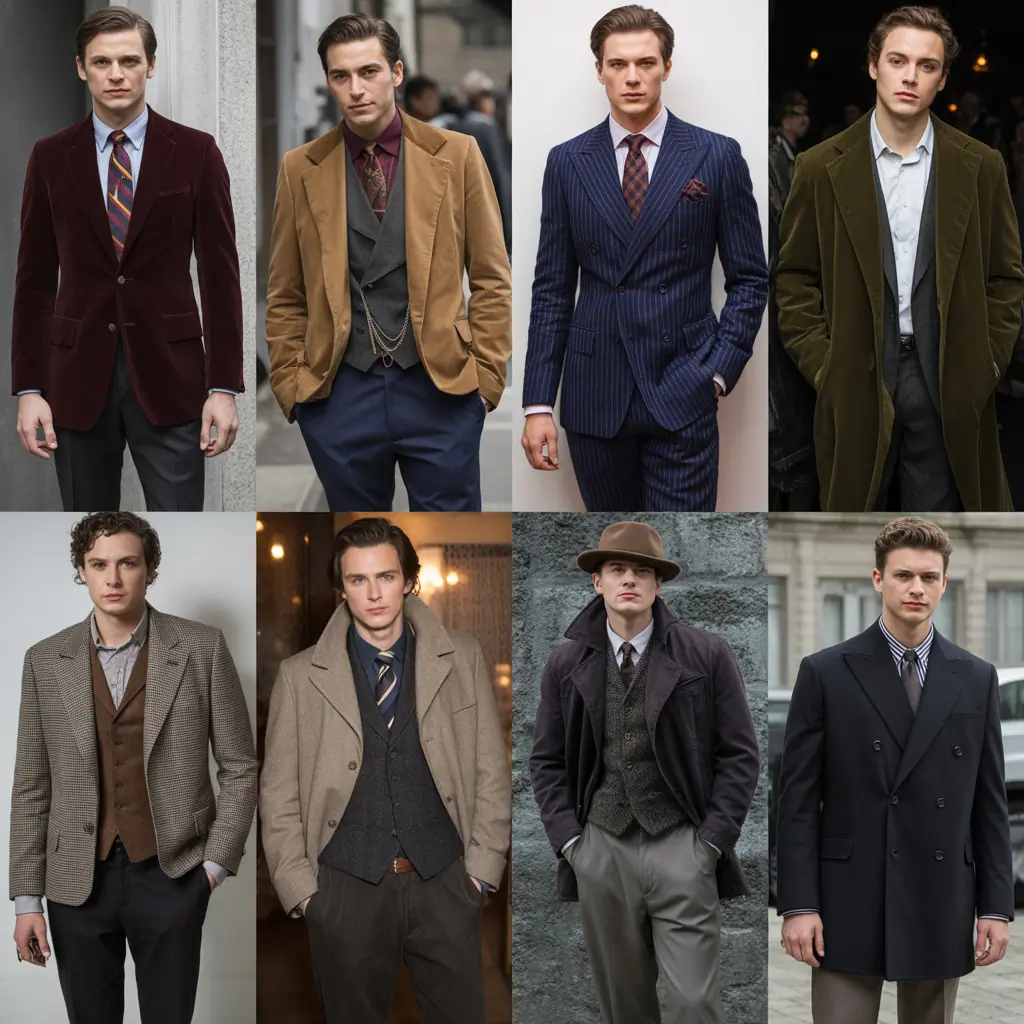
Suit: Navy two-button suit. Shirt: White classic dress shirt. Tie: Solid burgundy or navy with a subtle texture. Shoes: Black oxfords, matching belt. Tip: Keep accessories minimal and ensure a neat, conservative pocket square.
Wedding guest or evening formal
Suit: Charcoal or black depending on invitation. Shirt: White or very light blue. Tie: Silk with a slight sheen or a bow tie for black-tie optional. Shoes: Polished black oxfords. Tip: A silk pocket square and subtle cufflinks elevate the ensemble without being showy.
Smart formal for dinner or dates
Suit: Navy or deep grey blazer with matching trousers or dark chinos for a slightly relaxed formal look. Shirt: Patterned or textured dress shirt (micro-check or chambray). Tie: Optional—if skipping it, add a pocket square to keep it intentional. Shoes: Dark brown derby or brogue.
Mastering men’s formal style: fit, tailoring, and grooming
Fit is the single biggest factor that separates average from exceptional. An off-the-rack suit can look bespoke with small tailoring adjustments.
Tailoring checklist
- Jacket shoulders must align with your natural shoulder line.
- Sleeve length: jacket cuff should end where your wrist meets your hand; shirt cuff should peek out slightly.
- Trousers: slight break over the shoe; hem length can be adjusted for a modern or classic silhouette.
- Waist suppression: take in the jacket slightly for a tailored look without restricting movement.
Grooming and maintenance
Regular haircuts, trimmed facial hair, and clean nails are non-negotiable. Keep clothes pressed, shoes polished, and store suits on proper hangers to maintain shape. For care instructions and basic wardrobe upkeep, see our Wardrobe Essentials guide.
Practical style tips that actually work
- Less is more: avoid loud patterns for formal settings unless the event calls for it.
- Contrast matters: a dark suit with a lighter shirt creates a crisp, visually balanced outfit.
- Layer thoughtfully: a fine-gauge merino sweater under a suit jacket can be stylish in colder months.
- Practice tie knots: a poorly tied knot undermines even the best suit—practice at home until it’s symmetrical.
- Invest in alterations: a well-tailored inexpensive suit will outperform an expensive ill-fitting one every time.
Frequently Asked Questions
1. What’s the difference between business formal and business casual?
Business formal requires a suit, dress shirt, tie, and dress shoes—think boardroom-ready. Business casual relaxes the rules: sport coats, chinos, and loafers are common. Stick to business formal for interviews and high-stakes meetings.
2. How many suits should a man own for a complete formal wardrobe?
Start with two core suits: one navy and one charcoal or black. Add a third seasonal suit (light grey, tweed, or linen) depending on your climate and how often you attend formal events.
3. Can I wear a black suit during the day?
Yes, but use black suits selectively. They work best for evening events and formal ceremonies. For daytime business settings, navy and charcoal are more versatile and approachable.
Conclusion — Take control of your formal look
Men’s formal style isn’t about following every rule—it’s about choosing reliable building blocks, prioritizing fit, and adding subtle personal touches. Start with a great navy suit, a crisp white shirt, polished shoes, and the confidence to wear them well. Ready to upgrade your wardrobe? Explore our guides on style basics and wardrobe essentials to plan your next purchase and look sharper for every occasion.
Call to action: Want personalized outfit suggestions? Sign up for our weekly style tips or book a quick virtual consultation to refine your men’s formal style.