Have you ever stared at a plain T-shirt or a sleek button-up and wondered how to translate that simple piece into a stylish, eye-catching design? Whether you’re an aspiring fashion designer, a fashion enthusiast, or someone looking to improve their sketching skills, mastering the art of shirt drawing is a fantastic way to bring your creative visions to life. Drawing shirts isn’t just about pencil strokes; it’s about understanding proportions, fabric flow, and how to make your designs stand out in a crowded fashion world.
Why Learning Shirt Drawing Matters in Fashion Design
Shirt drawing serves as a foundational skill for fashion illustration, enabling you to visualize and communicate your clothing ideas effectively. From casual tees to tailored dress shirts, mastering this skill allows you to experiment with styles, fabrics, and detailing in a way that sketches alone can’t capture. Whether you’re designing your own clothing line or enhancing your personal style sketches, understanding shirt drawing can elevate your work to a professional level.
Essential Tips for Perfecting Your Shirt Drawing Skills
1. Start with Basic Shapes and Proportions
Before adding intricate details, sketch a simple outline of the shirt, focusing on accurate proportions. Remember, the fit is key—are you drawing a slim-fit shirt, oversized, or a relaxed-fit? Use light pencil lines to map out the shoulder seams, neckline, sleeves, and hemline. Practice sketching different body types and postures to understand how shirts drape naturally on various figures.
2. Pay Attention to Fabric and Textures
Fabric choice impacts how the shirt looks and feels. Smooth cotton, silky satin, or rugged denim all have distinct textures. Add subtle shading and lines to indicate fabric folds, creases, and how they catch light. This not only adds realism but also enhances the overall aesthetic of your shirt drawing.
3. Focus on Details: Buttons, Collars, and Sleeves
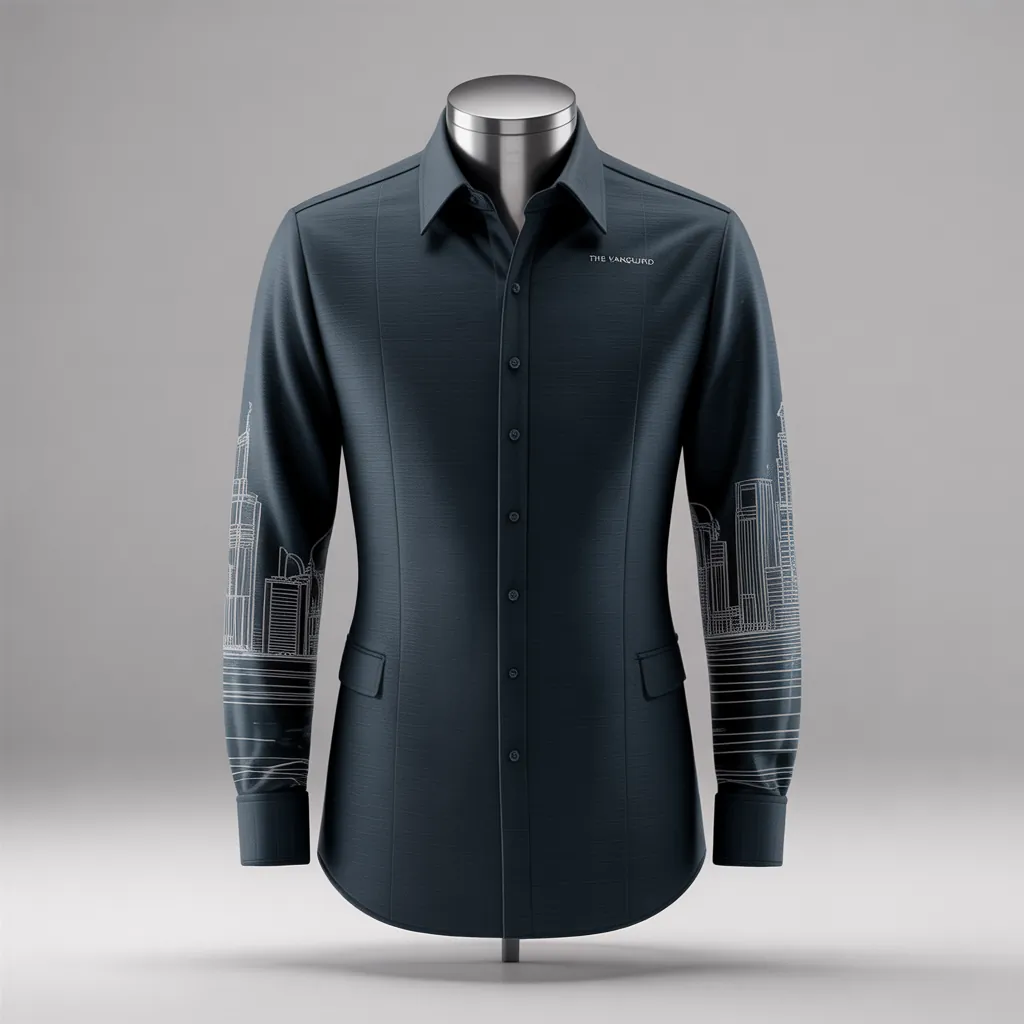
Details bring your shirt sketches to life. Practice drawing clean, symmetrical collars, realistic button placements, and sleeve cuffs. Small touches like pocket details or decorative stitching can make your design more authentic and sophisticated. Don’t hesitate to experiment with different collar styles—spread collars, mandarin, or polo—each transforms the look entirely.
Styling Tips: Turn Your Shirt Drawing into Trendy Outfits
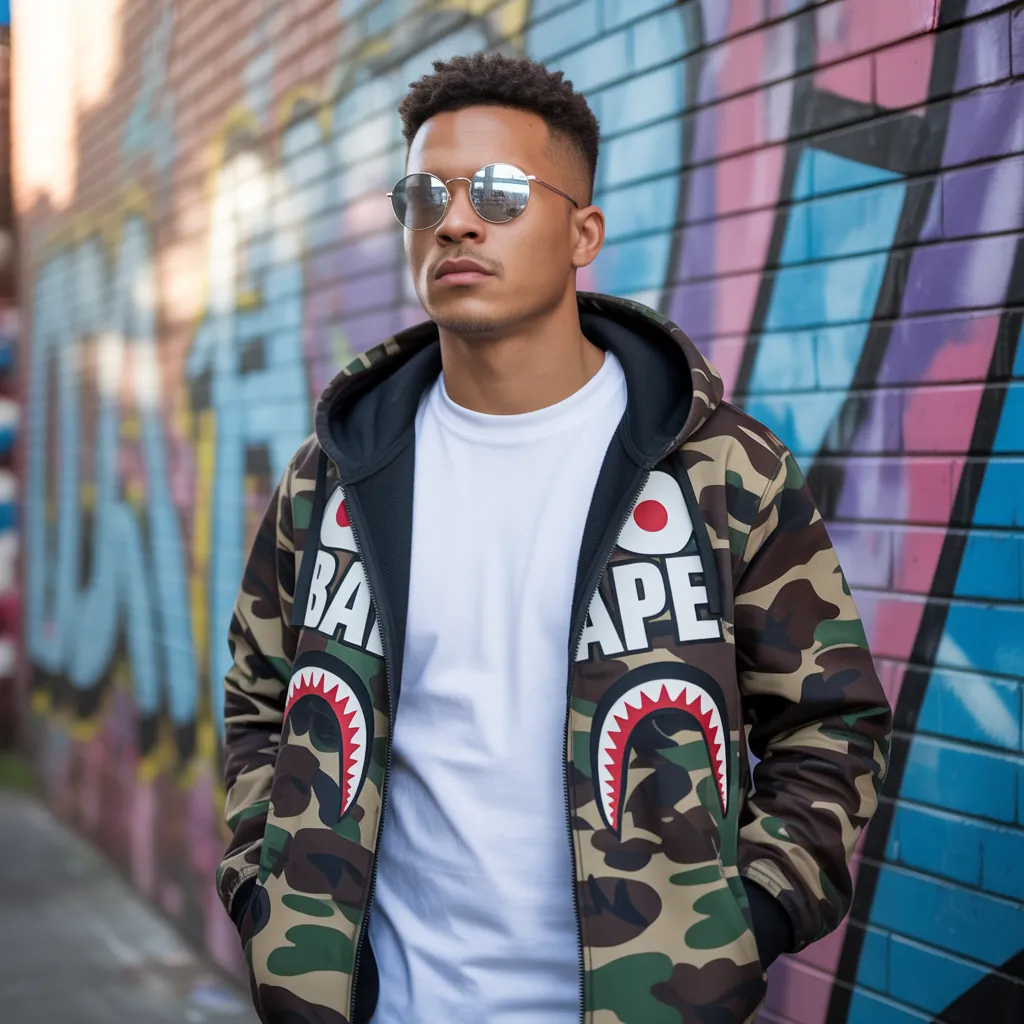
Once you’ve perfected your shirt sketches, consider how to style them for everyday wear or fashionable occasions. Pair a crisp, fitted white shirt with tailored trousers and loafers for a classic office look. A loose, graphic tee can be styled with distressed jeans and sneakers for a casual streetwear vibe. Experimenting with accessories, such as hats, scarves, or statement jewelry, can transform your drawings into complete outfits.
Creative Ideas and Outfit Combinations for Shirt Drawing
Layering and Textures
Overlay a shirt drawing with a blazer or cardigan to create layered looks. Illustrate the depth and how fabrics interact—think of a silk shirt beneath a wool coat or a denim shirt under a leather jacket. Layering makes your sketches more dynamic and practical.
Color and Pattern Play
Use watercolor or digital coloring techniques to add patterns like florals, stripes, or polka dots. This elevates your shirt drawing from simple outlines to vibrant, inspiring fashion visuals. Incorporate popular trends like tie-dye or animal prints to keep your designs fresh.
Want to Improve Your Shirt Drawing? Practice Makes Perfect!
Regular practice is essential. Start with quick gesture sketches to capture movement and fit, then gradually add details and shading. Find inspiration in street style, runway looks, or vintage photographs. Don’t hesitate to study fashion illustrations from renowned designers to understand their approach to shirt drawing and styling.
Conclusion: Bring Your Shirt Designs to Life!
Whether you’re sketching for fun, building a portfolio, or planning your upcoming clothing line, mastering the art of shirt drawing is a valuable skill that can unlock a world of creative possibilities. Focus on the details, experiment with styles, and don’t shy away from practicing new techniques. Remember, great fashion begins with bold sketches—so pick up your pencil today and turn your ideas into illustrated masterpieces!
If you’re eager to explore more fashion illustration tips or learn about styling different clothing pieces, be sure to check out our articles on fashion sketching tips and how to style shirts for all occasions.
Frequently Asked Questions
Start with basic tools like a good quality sketchpad, pencils (HB, 2B, 4B for shading), erasers, and colored pencils or markers if you want to add color. Digital tools like drawing tablets and styluses are also popular for fashion illustration.
Focus on understanding fabric behavior and study real clothing. Practice shading to depict light and shadow accurately. Observation is key—look at how different fabrics fold and drape on real bodies or mannequins.
Yes, many online platforms offer fashion illustration courses that include shirt drawing tutorials. Look for courses that balance technical skill with creative styling to enhance your overall fashion sketching abilities.
if you want to know about Shirt Drawing then please visit our Menswear Category.