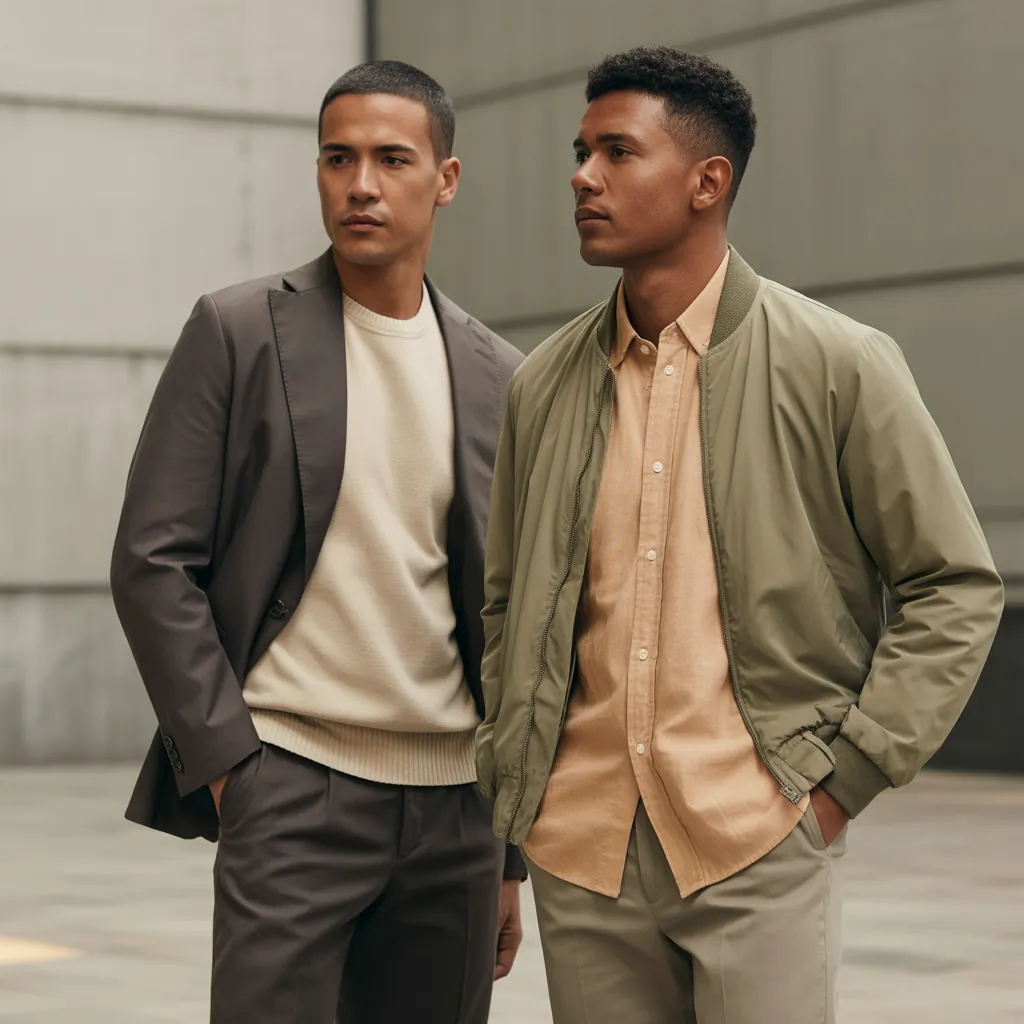
Ever moved in with someone and stood at your bedroom doorway wondering, “Do our clothes actually play well together?” Whether you’re sharing a closet, coordinating for photos, or just don’t want to clash on date night, establishing life together outfit codes can save time, reduce stress, and up your style game as a couple. As a men’s fashion blogger who’s seen plenty of wardrobe merges, I’ll walk you through simple, realistic rules for dressing together without losing your personal style.
Why Outfit Codes Matter When You Share a Life
When two wardrobes collide, mismatched priorities and exaggerated color palettes can make everyday dressing harder than it should be. Outfit codes — an easy set of style guidelines you both agree on — help you:
- Streamline morning routines and closet-sharing decisions
- Create coherent, photogenic looks for social events and family photos
- Reflect your shared lifestyle (weekend casual, creative professional, or city-smart)
How to Create Your Own Life Together Outfit Codes
Start with a quick style audit. Talk about what you both wear daily, your favorite colors, and must-have items. From there, narrow down shared rules that feel natural.
1. Define the Dress Spectrum
Decide where you live on the dress spectrum: ultra-casual, smart-casual, or elevated. For example:
- Weekend-focused couples: denim, neutral tees, sturdy sneakers
- Smart-casual pairs: chinos, overshirts, loafers or clean sneakers
- City-smart duos: tailored coats, sleek knitwear, leather boots
2. Choose a Shared Palette
Pick 3–5 base colors (navy, charcoal, olive, white, tan) and 1–2 accent tones (mustard, burgundy). These make mixing and matching effortless and keep you from clashing in photos or at events.
3. Agree on “Anchor” Pieces
Anchor pieces are versatile staples both of you own — a navy blazer, a grey crewneck, a classic white shirt. When both people have at least one anchor item, coordinated outfits feel intentional without being matched head-to-toe.
Outfit Combinations: Real-World Looks You Can Steal
Below are practical outfit formulas that work across seasons and activities. These are easy-to-replicate combinations for couples who want cohesion without costume-like matching.
Casual Weekend Errands
– You: Slim dark jeans, white crewneck tee, olive chore jacket, white sneakers.
– Partner: High-waisted jeans, white tee, tan utility jacket, neutral sneakers.
Why it works: Shared neutrals and complementary outerwear create an effortless, harmonious look.
Date Night / Dinner Out
– You: Charcoal chinos, black turtleneck, suede Chelsea boots, long wool coat.
– Partner: Black midi dress, tailored blazer, ankle boots.
Why it works: Both outfits sit at the same formality level and share dark, refined tones.
Family Photos & Special Occasions
– Plan a palette (navy, cream, rust). Avoid loud patterns; use texture instead — knitwear, suede, linen blends. Encourage one statement piece (a rust scarf or patterned pocket square) to add visual interest while keeping cohesion.
Style Tips for Men Sharing a Wardrobe
Practical tips matter when closets are combined. Here are tested strategies to keep your style tight and your space civilized.
Rotate, Don’t Replicate
Matching every outfit isn’t necessary. Instead, rotate complementary pieces so looks feel coordinated. If one of you wears a patterned shirt, let the other choose a solid from the shared palette.
Invest in Quality Basics
Spending more on a few quality basics (shirts, denim, coats) pays off. Well-made staples last longer, look better in photos, and form the foundation of your life together wardrobe. Consider a minimalist capsule approach to reduce clutter and decision fatigue.
Communicate About Laundry & Care
Sharing a wardrobe means negotiating garment care. Agree on who washes what, temperature settings, and how delicate pieces are handled to avoid wardrobe mishaps.
Putting Codes Into Practice: A Weekly Routine
Try a weekly check-in. Use 10 minutes on Sunday to plan outfits for the week’s big events (work meetings, dinners, trips). This reduces the “what to wear” stress and helps you coordinate colors and levels of formality in advance.
Life Together Outfit Codes: Dos and Don’ts
Keep these actionable rules in mind as you build your shared dress code.
- Do prioritize fit over brand — a well-fitted inexpensive piece always looks better than an ill-fitting luxury item.
- Don’t force matching — complementary tones and textures look more sophisticated than twinsy outfits.
- Do keep signature elements — a watch, shoes, or jacket that represents your personal style.
- Don’t ignore comfort — shared style should be lived in, not just looked at.
Frequently Asked Questions
1. How strict should life together outfit codes be?
Keep them flexible. The goal is coordination, not uniformity. A few agreed-upon anchors and a shared color palette are enough for most couples.
2. Can men keep personal style while following shared outfit rules?
Absolutely. Use personal details (a favorite belt, distinctive sneakers, or a watch) to maintain individuality within the shared framework. This is about harmony, not erasure.
3. What if one partner dislikes minimal or neutral palettes?
Compromise: allow one accent color per person. If your partner loves bright colors, let them introduce that hue through accessories while keeping the base palette neutral.
Conclusion: Start Small — Dress Better Together
Adopting life together outfit codes doesn’t require a style overhaul. Start with a shared palette, a couple of anchor pieces, and a weekly outfit check-in. These small habits lead to smoother mornings, better photos, and a wardrobe that supports the life you’re building together.
Ready to streamline your shared style? Try creating a 10-piece capsule for both of you this month and see how much easier mornings become. For more practical wardrobe advice, check out our guides on Wardrobe Essentials, Date Night Outfit Ideas, and Capsule Wardrobe for Couples.
If you liked this guide, subscribe to get weekly style tips — and drop a comment about your favorite shared outfit rule below.