Ever stood in front of your closet and wished you could channel that effortless, cool look you saw on a Tokyo sidewalk? Maybe you pinned a Harajuku outfit on Instagram, or admired a clean, minimalist ensemble from a Tokyo boutique. You’re not alone — Japanese street fashion has a way of making men look intentional without trying too hard. In this guide you’ll learn how to translate Tokyo streetwear and Japanese menswear aesthetics into practical, wearable looks for work, weekends, and travel.
Japanese street fashion men: Key aesthetics explained
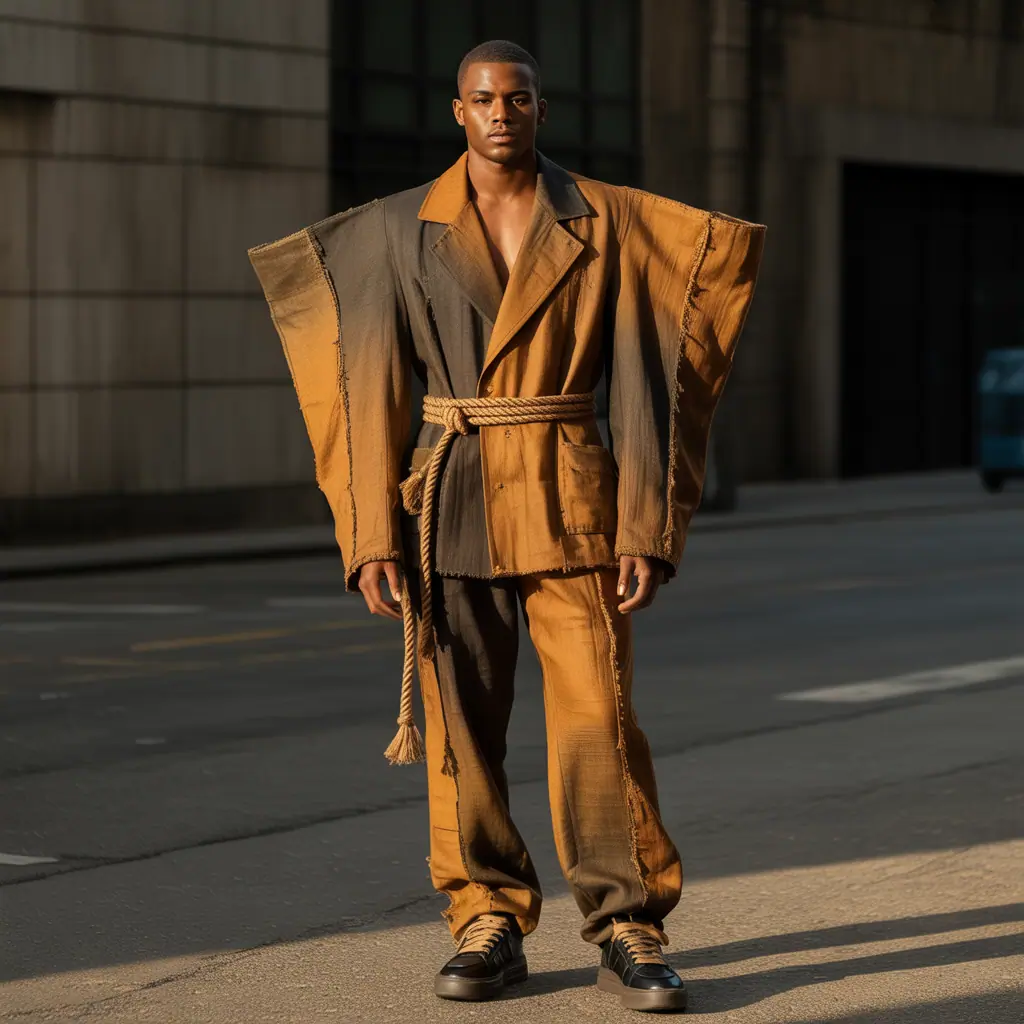
Japanese street fashion for men isn’t one thing — it’s a collection of overlapping styles. Think Harajuku’s playful layers, Shibuya’s contemporary streetwear, and the quiet minimalism of Ginza. Common threads include attention to silhouette, high-quality fabrics, thoughtful layering, and a balance between statement pieces and understated basics. Whether you’re into techwear, workwear, or androgynous silhouettes, the Japanese approach emphasizes harmony and creativity.
Core styles & silhouettes to know
1. Oversized and relaxed
Loose trousers, boxy jackets, and wide tees create that signature relaxed silhouette. Key tip: keep one piece oversized and balance with a more fitted item to avoid looking sloppy.
2. Minimalist / Clean Japanese menswear
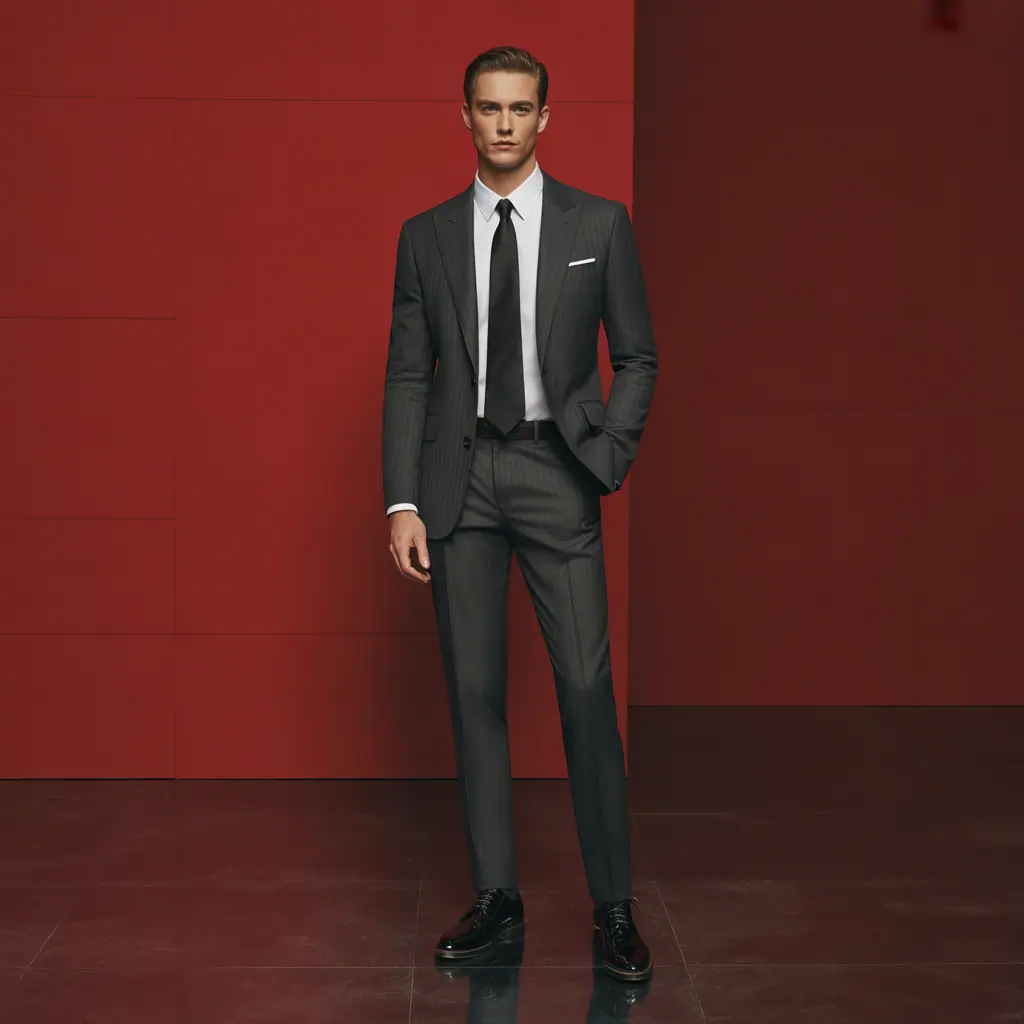
Neutral palettes, precise tailoring, and premium fabrics define minimalist Japanese style. Perfect for men who prefer refined looks with subtle details.
3. Techwear and utility
Waterproof fabrics, multiple pockets, and technical zippers. Functionality is the design here — great for commuters and travelers who want performance and style.
4. Harajuku & streetwear
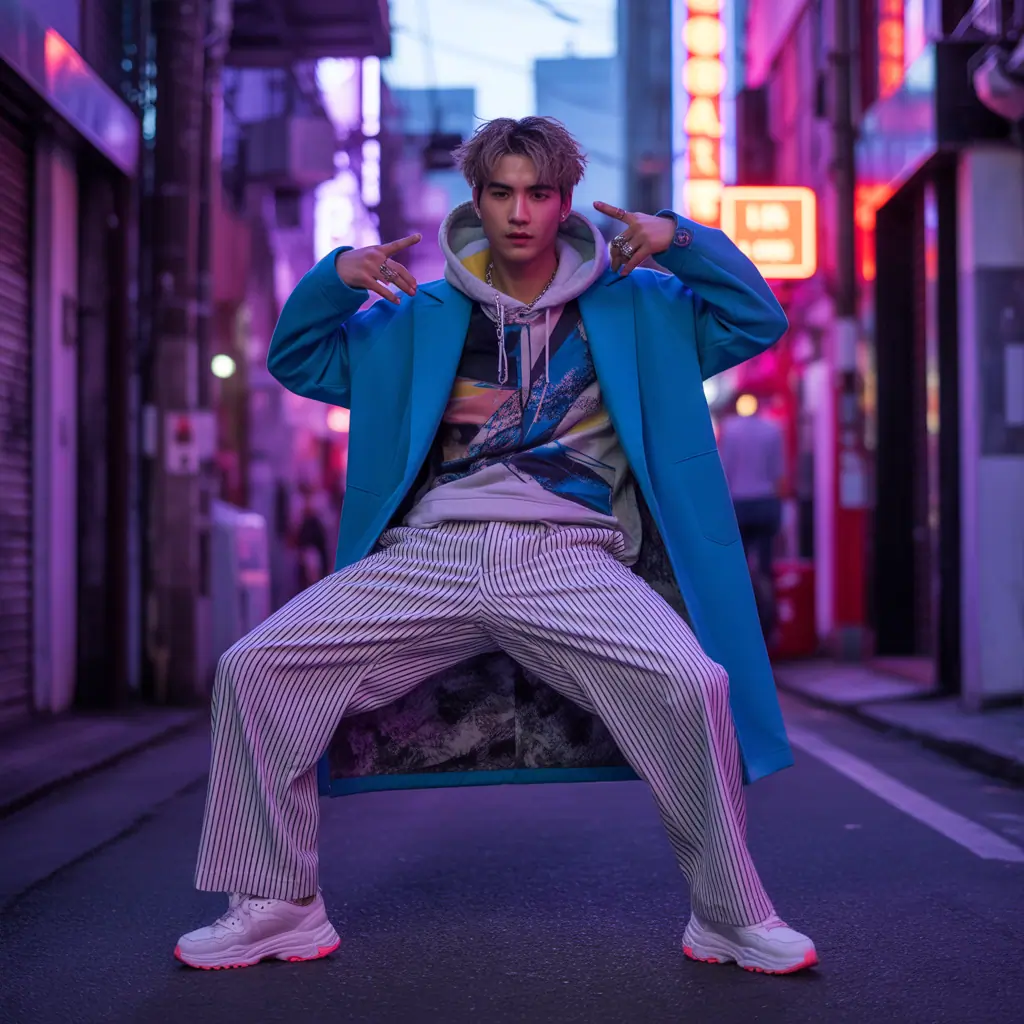
Playful color mixes, graphic tees, layered skirts or cropped pants, and unique accessories. This is where personality shines.
How to build outfits: 5 practical combinations
Below are five outfit combos you can try immediately. Each includes alternatives for different budgets and climates.
Outfit 1 — Minimal city commuter
- Black slim trousers
- Neutral crewneck sweater
- Structured overcoat or single-breasted bomber
- Clean white sneakers or leather derby
- Tip: Keep accessories minimal — a simple watch or leather tote.
Outfit 2 — Laid-back layered look
- Wide-leg chinos
- Longline button-up shirt layered under a short jacket
- Chunky sneakers or combat boots
- Tip: Use contrast in lengths — long shirt under a shorter jacket for depth.
Outfit 3 — Techwear commuter
- Water-repellent cargo pants
- Performance tee or mock-neck
- Lightweight hooded shell
- Technical sneakers with grip
- Tip: Multi-functional bags (crossbody or sling) complete the look.
Outfit 4 — Harajuku-inspired statement
- Bold printed tee
- Layered long-sleeve under-shirt
- Cropped trousers or layered skirt-over-pants
- High-top sneakers and eccentric accessories (hats, pins)
Outfit 5 — Elevated casual
- Tapered wool trousers
- Fine-gauge knit or turtleneck
- Neutral trench or long coat
- Minimal Chelsea boots
Practical tips for adopting Japanese streetwear in real life
Japanese street fashion looks curated because of small, repeatable habits. Here are real-world tips that work anywhere.
- Start with the silhouette: Decide whether you want oversized, tapered, or layered and build a capsule around that shape.
- Invest in fit: Even oversized garments should have clean seams and shoulders that sit right. Tailoring makes inexpensive pieces look premium.
- Mix textures: Combine denim, cotton, wool, and technical fabrics to add depth without loud colors.
- Master monochrome: Black or neutral monochrome looks are a staple — add one focal accessory to lift the outfit.
- Seasonal swaps: Swap heavy wools for breathable linen in summer and layer thermals under outerwear in winter.
- Shoes matter: Sneakers, boots, and loafers each change the vibe. Choose footwear that complements the silhouette.
- Be intentional with accessories: A simple bucket hat, scarf, or chain can nod to Harajuku without overpowering the outfit.
Where to shop & adapt to your environment
If you want to explore looks visually, check out our Lookbook for curated outfits and real street snaps. For buying tips, our Style Guide breaks down fit and sizing so you can shop confidently. When adapting Japanese street fashion for work or travel, prioritize versatility: choose pieces that layer, wash well, and mix with your existing wardrobe.
Frequently Asked Questions
1. What defines Japanese street fashion for men?
Japanese street fashion for men is defined by an emphasis on silhouette, high-quality fabrics, creative layering, and a blend of avant-garde and wearable pieces. It spans minimalist looks, techwear, and more playful Harajuku expressions.
2. How can I incorporate elements without looking like I’m in costume?
Start small: introduce one Japanese-inspired piece (a wide coat, a unique sneaker, or a layered shirt) and pair it with neutral basics. Focus on fit and subtle details instead of copying head-to-toe looks.
3. Is Japanese streetwear practical for everyday life?
Yes. Many Japanese styles prioritize functionality — think durable fabrics, weatherproof outerwear, and practical footwear. Adapt technical and minimalist pieces to your climate and daily needs for a practical yet stylish wardrobe.
Conclusion — Try one Tokyo streetwear element this week
Japanese street fashion men blends creativity with wearability, and you don’t need a wardrobe overhaul to get started. Pick one element — oversized outerwear, layered shirts, or a tech jacket — and integrate it with your existing pieces. Want more outfit ideas? Browse our shop picks and lookbook to find pieces that match your style and budget. Try a look this week, tag your photos, and see how small changes can make a big impact.
Ready to start? Visit the lookbook, shop responsibly, and make Japanese street fashion a practical part of your everyday style.
if you want to know about Japanese Street Fashion Men then please visit our Menswear Category.