
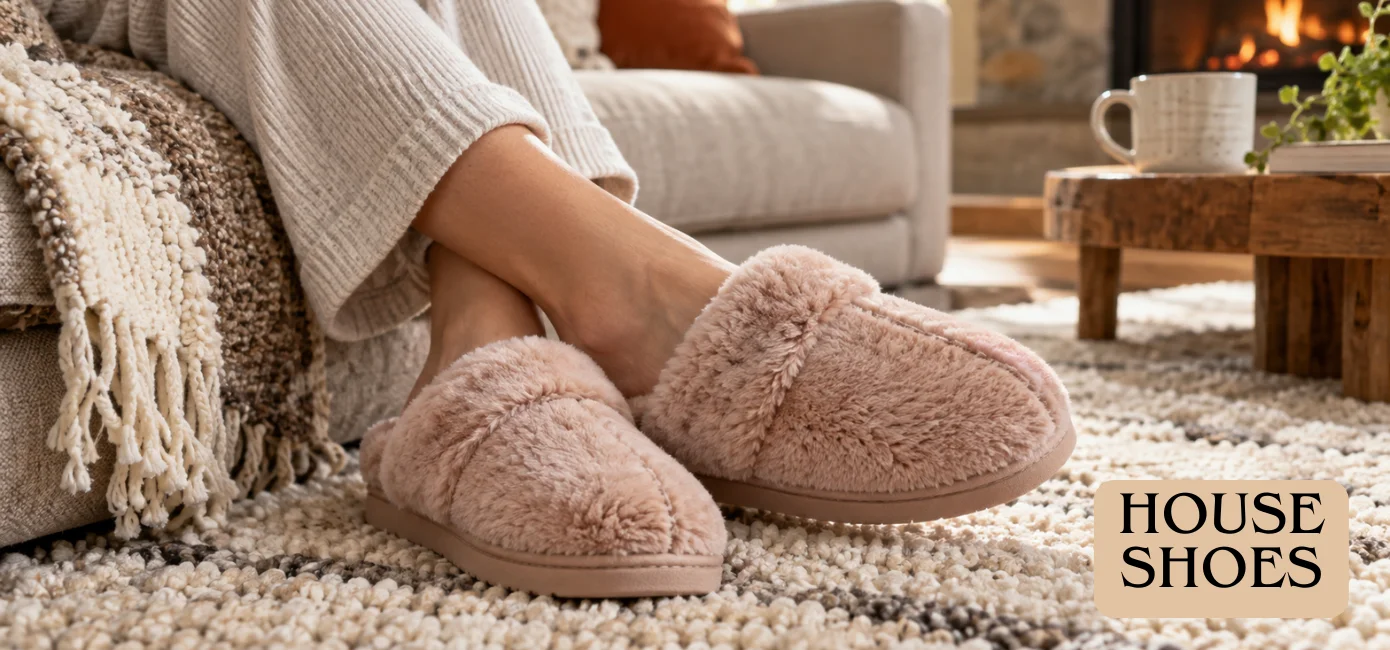
House shoes can make daily life at home more comfortable without feeling bulky or overly casual. The right pair adds grip, cushioning, and warmth while matching your floors and routine. This guide explains the main styles, useful features, fit checks, materials, and care basics for U.S. shoppers.
Indoor footwear works best when it feels secure, grips your floors, and suits your home’s temperature. Choose structure for long periods of standing, lighter materials for warm rooms, and warmer linings for winter. Keep the pair indoors when cleanliness is your main priority.
Quick Comparison of Indoor Footwear Styles
| Style | Best For | Support | Warmth | Main Advantage | Main Drawback |
|---|---|---|---|---|---|
| Structured mule | Everyday home use | Medium to high | Medium | Easy to slip on with a stable sole | An open heel can feel less secure |
| Closed-back slip-on | Stairs and longer wear | High | Medium | Secure fit and good walking stability | Takes slightly longer to put on |
| Moccasin slipper | Lounging and cooler rooms | Low to medium | High | Soft feel with a classic shape | Some models have thin soles. |
| Recovery slide | Warm climates and hard floors | Medium to high | Low | Breathable and easy to clean | Open design offers little warmth. |
| Clog-style slipper | Kitchens and busy routines | High | Medium | Roomy toe area and structured base | Can feel bulky in small spaces |
| Slipper bootie | Cold bedrooms and winter mornings | Low | Maximum | Maximum coverage and warmth | Often less stable for long walking |
TL;DR: Start with a structured mule or closed-back slip-on for the widest everyday use. Pick breathable slides for warm rooms and lined styles for colder homes. Prioritize secure fit, visible tread, stable cushioning, and materials you can clean without damaging the shoe.
What Are House Shoes, Exactly?
They are indoor footwear made for comfort, protection, and easier movement around the home. People often use the term interchangeably with slippers, especially in casual American speech. The practical difference usually comes from construction, not the label on the box.
Traditional slippers often favor softness, warmth, and easy on-and-off wear. More structured indoor shoes may add firmer soles, heel shaping, or deeper footbeds. That extra structure can matter when you spend hours standing, cooking, cleaning, or working from home.
Which Style Works Best for Your Routine?
Your best option depends on how you move through the house each day. A structured mule works well for most people who want comfort and quick entry. Choose a closed-back style if stairs, fast walking, or a more secure fit matter more.
Slides suit warm homes because they leave more of the foot exposed. Moccasins and booties make more sense when warmth is the main priority. Clogs can suit people who want a roomy shape with a firmer sole underfoot.
For most households, a structured mule or closed-back slip-on offers the strongest balance. Both styles can combine everyday comfort with better stability than soft bedroom slippers. That makes them practical for home offices, kitchens, and longer indoor routines.
Seven Features Worth Checking Before You Buy
A comfortable first impression does not tell you how a pair will feel after several hours. Focus on fit, traction, structure, and materials before choosing by appearance alone. These seven checks make online and in-store shopping easier.
- Secure fit: Your foot should stay centered without constant gripping from your toes.
- Useful traction: Look for a textured outsole on tile, hardwood, or polished surfaces.
- Stable base: A sole should bend naturally without collapsing under your full weight.
- Enough cushioning: Padding should soften steps without making your foot feel unstable.
- Roomy toe area: Your toes need space to spread without rubbing the sides or front.
- Breathable lining: Wool, cotton, mesh, and moisture-managing fabrics can reduce stuffiness.
- Care-friendly materials: Removable insoles or washable uppers make regular cleaning easier.
Podiatrists who write about indoor footwear tend to highlight arch contouring, heel stability, sole structure, and traction. Those features matter most when you spend long periods on hard flooring. StudioStylee also explains support-focused features in its orthopedic shoe guide.
Choose Materials for Your Climate and Floors
Warmth matters more in a cold bedroom than in a sunny kitchen. Wool and fleece feel cozy during colder months, while cotton and open-cell fabrics breathe better in warm rooms. Synthetic linings can also work well when easy cleaning matters most.
The outsole deserves equal attention because floors change how footwear feels. Rubber or textured synthetic soles usually provide more grip than thin fabric bottoms. Softer soles can feel quieter, but they may wear faster on rough surfaces.
If your home has mixed flooring, choose a middle-ground sole with flexibility and visible tread. Thick outdoor-style lugs are rarely necessary for indoor use. A moderate tread pattern can still feel stable without tracking debris around the house.
Get the Fit Right Before Comfort Turns Into Friction
Indoor footwear should feel secure without pinching the toes or heel. Your heel should not slide aggressively with every step. You should also have enough room at the front for natural toe movement. Try the pair with the socks you normally wear at home. Thick winter socks can change fit more than people expect.
If you alternate between bare feet and socks, choose a shape that stays secure in both situations. Sizing notes matter because many slippers use grouped sizes rather than individual numbers. Read the brand chart and customer comments before ordering online. A flexible return policy also helps when you are between sizes.
Keep Comfort From Looking Sloppy
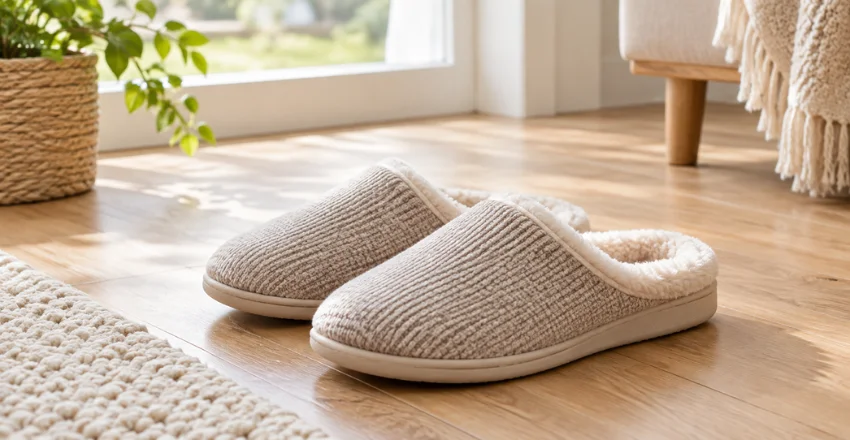
Indoor footwear can still feel intentional beside loungewear, knit sets, pajamas, or casual work-from-home outfits. Neutral colors such as charcoal, tan, cream, navy, and brown blend easily with home basics. Simple shapes also look cleaner when the rest of your outfit is relaxed.
A minimal mule pairs well with joggers, straight lounge pants, or a soft knit set. Moccasins work naturally with flannel, denim, and textured winter layers. Browse StudioStylee’s main shoe guide and popular shoe styles for more outfit ideas.
Color is useful, but material texture often makes a bigger visual difference at home. Suede and wool look warmer, while smooth molded materials feel sportier. Choose the finish that matches the clothes you wear most often.
Clean and Replace Indoor Footwear at the Right Time
Check the care label before putting any pair in a washing machine. Some fabric slippers handle machine washing, while wool, suede, and leather often need gentler cleaning. Air drying is usually safer than high heat for glued soles and shaped footbeds.
Keep an indoor-only pair away from sidewalks, garages, and wet porches when cleanliness is the goal. If you step outside often, consider a second pair for quick trips. That simple split keeps indoor floors cleaner and reduces extra outsole wear.
Replacement timing depends on use, construction, and visible wear, not a fixed calendar. Replace pairs when the tread turns slick, the soles feel uneven, or the uppers stop holding your feet securely. Persistent discomfort is another reason to reassess the fit or support level.
A Practical Final Recommendation
For most people, house shoes work best when they balance grip, structure, comfort, and easy wear. Start with a structured mule or closed-back slip-on, then adjust for your climate and floors. Explore StudioStylee’s shoe ideas guide before choosing your next pair.
Frequently Asked Questions
Are house shoes the same as slippers?
The terms often overlap, and brands do not follow one universal definition. Slippers usually emphasize softness and easy entry, while structured indoor footwear may feel more like a casual shoe. Construction, fit, and sole design matter more than the product name.
Can you wear indoor footwear outside?
Some pairs have durable rubber soles that can handle a quick trip to the mailbox. Outdoor use can still bring dirt, moisture, and grit back onto indoor floors. Keep a separate outdoor pair if cleanliness is a main goal.
What is best for hardwood or tile floors?
Look for a sole with visible texture and a secure fit on smooth floors. Avoid badly worn tread or loose uppers that make your feet slide inside the shoe. People with ongoing foot pain should ask a licensed podiatrist for personal advice.
Should you choose open-back or closed-back styles?
Open-back styles are faster to put on and often feel cooler. Closed-back designs hold the heel more securely on stairs or during longer walks. Choose based on your movement, balance needs, temperature, and preferred feel.