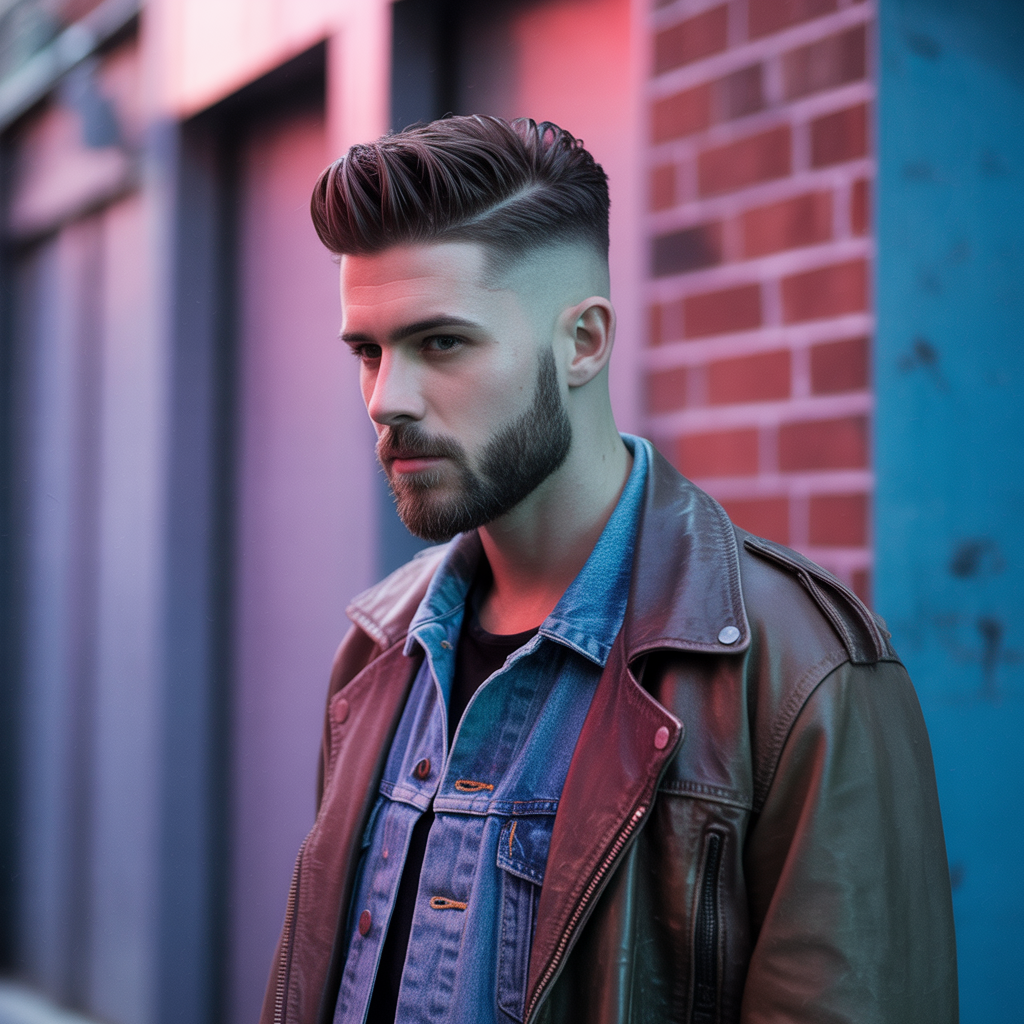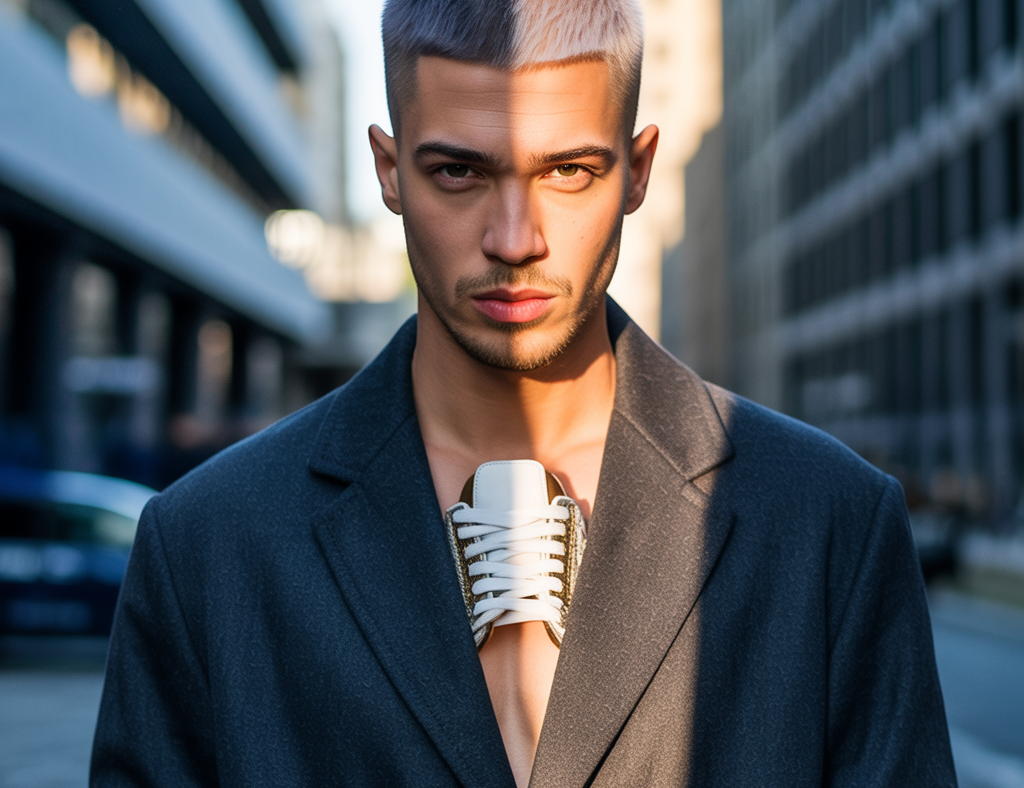
Ever looked in the mirror after a fresh cut and asked, “Should I have gone higher or lower on the temple?” You’re not alone. Choosing between a high vs low temp fade can completely change the vibe of your look — from sharp and modern to subtle and classic. Whether you’re heading to a job interview, a first date, or just refreshing your weekday rotation, understanding how a temple fade sits on your head is key to getting that confident, polished result.
What is a “Temp” Fade (Temple Fade)?
The term “temp fade” or “temple fade” refers to a fade that focuses on the temple area — the small section where the hair meets the sideburns near the ears. It’s a precise cut that blends the hairline into shorter clippers or even skin, creating a clean frame around the face. Temple fades pair well with various top lengths and textures, from a tight crew cut to a longer, textured quiff.
High vs Low Temp Fade: Key Differences
Placement and Visual Effect
A high temp fade starts higher on the temple and usually removes more hair above the ear, resulting in a bold, contemporary silhouette. A low temp fade begins closer to the ear, offering a softer, more conservative transition. If you’re aiming for a more dramatic, fashion-forward look, the high temple fade will give sharper angles. If you prefer subtlety and a softer fade into your sideburns, the low temple fade is the go-to.
Face Shape and Proportion
Choosing between high vs low temp fade often comes down to face shape:
- Oval faces: Versatile — both high and low work well.
- Round faces: A high temp fade creates height and adds definition to help elongate the face.
- Square faces: Low temple fades can keep the jawline strong without overemphasizing angularity.
- Heart-shaped faces: Low fades balance a narrower chin by keeping attention lower on the sides.
Styling and Maintenance
How to Style Each Fade
Both fades work with many hairstyles, but the approach changes slightly:
- High temp fade: Pairs with textured crops, pompadours, and disconnected styles. Use a matte clay or paste to add volume and keep the top tactile without shine.
- Low temp fade: Suits classic side-parts, comb-overs, and more conservative taper fades. A light pomade or cream gives a clean finish and controls flyaways.
Daily Care and Barber Visits
Temple fades require regular upkeep to stay crisp. For high temp fades, plan a touch-up every 2–3 weeks to maintain the sharp edge; low temp fades can go 3–4 weeks depending on how quickly your hair grows. Bring reference photos to the barber and be specific about how high you want the fade line and whether you prefer a skin, shadow, or blended finish.
Outfit Combinations That Complement Each Fade
Your hairstyle is part of your overall style language. Match your fade to the outfit vibe:
High Temp Fade — Modern Street & Smart Casual
- Casual day: Slim-fit tee, cropped chinos, white low-top sneakers — the high temp fade keeps things fresh and modern.
- Night out: Slim black jeans, a bomber jacket, and Chelsea boots — the sharp fade elevates the look.
- Work (creative): Tailored blazer over a crew-neck knit with tapered trousers — stylish but not stuffy.
Low Temp Fade — Classic & Polished
- Business casual: Oxford shirt, unstructured blazer, dark denim — the low temp fade reads neat and professional.
- Weekend: Henley, denim jacket, rugged boots — relaxed without looking sloppy.
- Formal: Suit with crisp lapels — the low fade doesn’t distract from sharp tailoring.
Choosing the Right Fade for Your Hair Type
Hair texture matters. Thick, coarse hair can support a higher fade because it provides contrast at the top. Fine or thinning hair often benefits from a lower fade to preserve volume toward the sides for a fuller appearance. Curly hair looks great with either fade, but discuss how much tapering you want at the temple so curls aren’t taken too short and lose shape.
Real-World Tips from Barbers and Style Pros
- Bring three reference photos: one of the full head, one close to the temple, and one showing the overall look.
- Ask for a shadow fade (short but not skin) if you want a less dramatic contrast.
- Consider beard and sideburn alignment — a fade that matches the beard line looks intentional and groomed.
- Use a travel-size styling product and a small comb to refresh your look mid-day.
High vs Low Temp Fade: Which One Should You Get?
Deciding between a high vs low temp fade comes down to your face shape, personal style, and maintenance tolerance. If you want a bold, modern statement and don’t mind frequent trips to the barber, go high. If you prefer a timeless, low-maintenance silhouette that pairs well with tailored outfits, choose low. Either way, a skilled barber will adapt the fade to your hairline and growth pattern so the result feels bespoke.
Frequently Asked Questions
1. How often should I touch up a temple fade?
For high temp fades: every 2–3 weeks to keep the contrast crisp. For low temp fades: every 3–4 weeks. If you prefer a shadow or blended finish, you can stretch appointments a bit longer.
2. Can I pair a temple fade with a beard?
Absolutely. Matching the fade into your beard or keeping a clean transition at the sideburns creates a cohesive look. Ask your barber to line up the beard fade with the temple fade for a polished finish.
3. Which fade is better for thinning hair?
Low temp fades are usually better for thinning hair because they keep more hair toward the sides, preserving the appearance of fullness. You can also ask for textured cuts on top to add volume and distract from any sparse areas.
Conclusion — Make the Fade Work for You
Choosing between a high vs low temp fade is more than a barber decision — it’s a style choice that affects your whole look. Think about face shape, hair texture, and how you dress daily. If you’re unsure, start with a low temple fade and gradually go higher at future appointments until you find the sweet spot. Ready to try a new fade? Book your barber, bring inspiration photos, and experiment with a styling product that matches your vibe.
Want more haircut ideas and grooming advice? Check out our guides on Best Fade Haircuts and Beard Styles That Pair With Fades for tips tailored to your look. If you’d like personalized recommendations, leave a comment or book a consultation with a local stylist today.