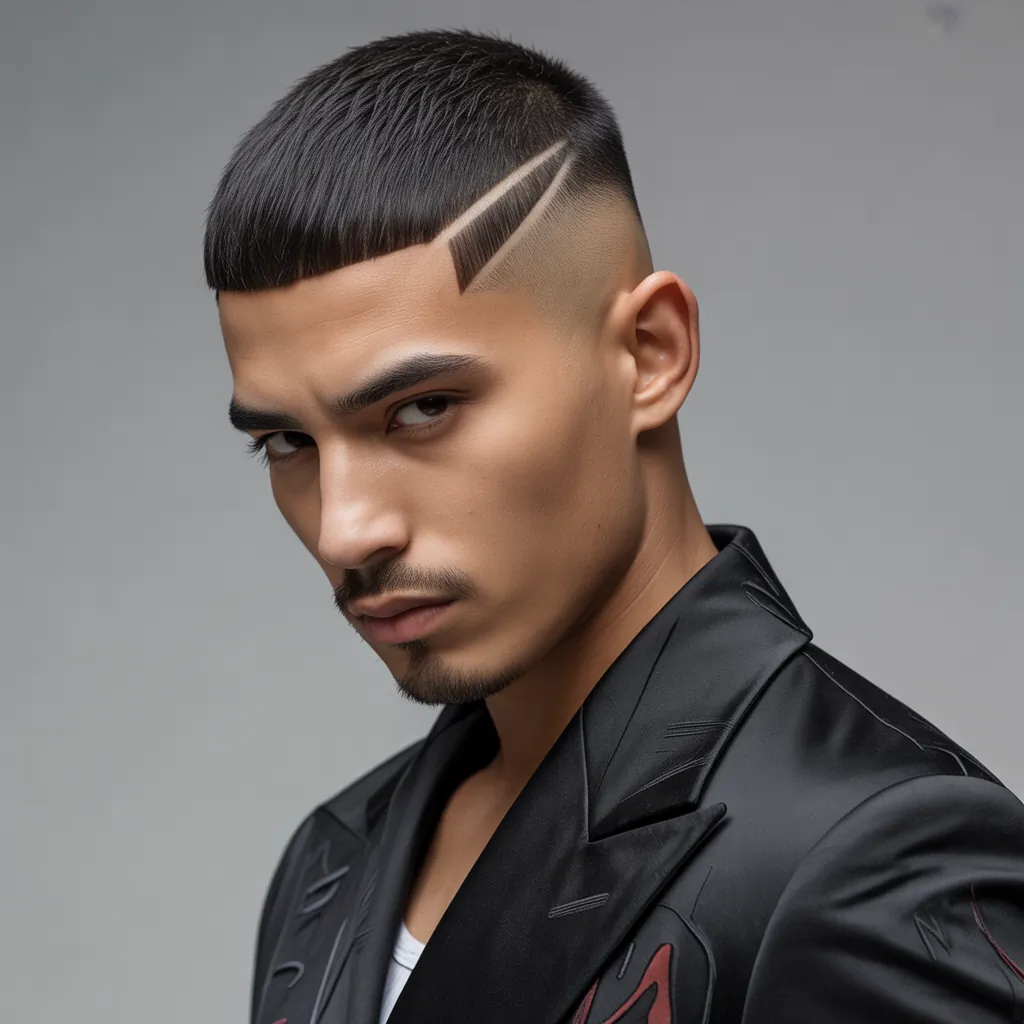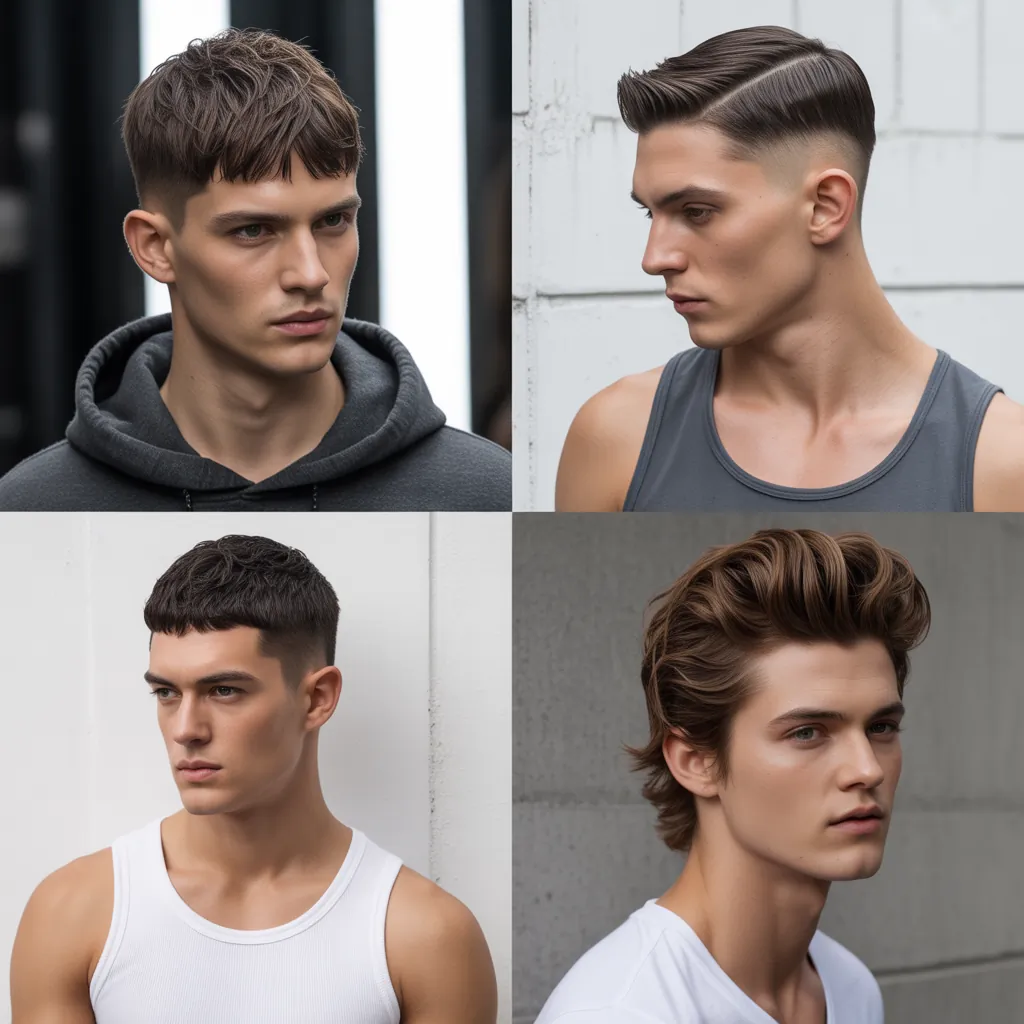
Ever caught your reflection and thought, “I need a fresh cut, but my barber is booked for weeks”? If you’re craving effortless texture and movement without the salon wait, this DIY shag haircut tutorial will get you there. Whether you’re aiming for a choppy men’s shag, a soft layered look, or a more grown-out ’70s vibe, I’ll walk you through a professional, step-by-step approach so you leave the mirror confident — not cautious.
Why the shag haircut works for men
The shag is one of those rare styles that flatters most hair types and face shapes. It’s versatile — from short textured shags to long, beachy layers — and it blends movement, volume, and low-maintenance attitude. For guys who like a lived-in look, the shag creates natural separation and body, making it ideal for men with straight, wavy, or slightly curly hair.
Shag advantages at a glance
- Quick to style: five minutes with a blow-dryer and paste.
- Works with natural texture — no daily heat needed.
- Grows out gracefully, so you can skip frequent trims.
What you need before you start
Before attempting a DIY shag haircut, gather the right tools and assess your hair. Cutting at home is much more successful when you go prepared.
Tools and products
- Sharp haircutting scissors (not kitchen scissors).
- Thinning shears or a texturizing razor for soft edges.
- Fine mist spray bottle (water).
- Comb and sectioning clips.
- Mirror setup — one large front mirror plus a handheld for the back.
- Styling products: sea salt spray, matte paste or clay, light hairspray.
Know your hair type and face shape
Shags can be tailored: fuller layers suit round faces; longer front layers slim square faces. Fine hair benefits from shorter, choppier layers for volume; thick hair looks great with longer, feathered layers to remove bulk. If you’re unsure, take a photo of the style you like and adapt small sections instead of doing big chops at once.
DIY shag haircut tutorial: step-by-step
This step-by-step guide focuses on a classic, medium-length shag suitable for most men. Work slowly and cut less than you think — you can always take more off.
Step 1 — Prep
Start with clean, damp hair. Detangle and section the top from the sides and back. Create a center or slightly off-center part, depending on your preference.
Step 2 — Establish the guide
Take a small section at the crown as your guide. Decide the overall length you want — for a medium shag aim for hair that grazes the collarbone or slightly shorter. Hold the guide vertically and cut straight across for a baseline. This sets the length for the rest of the head.
Step 3 — Layering
Work from the crown down. Pull horizontal sections forward at about a 45-degree angle and point-cut into the ends to create choppy, textured layers. For a more dramatic shag, lift the hair higher and cut more aggressively; for subtle texture, use small snips. Repeat around the head, matching the length to your guide.
Step 4 — Add fringe (optional)
If you want bangs or a face-framing fringe, cut the front sections at an angle, slightly longer at the sides for a natural sweep. Point-cut to avoid a blunt line.
Step 5 — Texturize and thin
Use thinning shears or a razor to break up heavy ends and add movement. Focus on the mid-lengths and ends — avoid thinning too close to the roots. This is what gives the shag its signature airy finish.
Step 6 — Check and refine
Dry your hair and style it roughly as you would day-to-day. See where the shape sits and make small adjustments. Keep trimming in ¼-inch increments until you achieve the balance of layers and length you want.
Short shag vs long shag
Short shags emphasize texture and volume at the crown; they pair well with tapered sides. Long shags allow more face-framing layers and work great with wavy hair. Decide which better fits your lifestyle and maintenance tolerance.
Styling and maintenance tips
Once you’ve nailed the cut, proper styling keeps the shag looking intentional.
- For casual texture: spray damp hair with sea salt spray, scrunch, and air-dry or diffuse on low heat.
- For polished texture: use a small amount of matte paste or cream. Rub between palms and work through mid-lengths to ends.
- For volume: blow-dry with head upside down and rough-scrunch the hair while drying.
- Trim every 8–12 weeks to maintain shape, or every 4–6 weeks if you prefer sharper lines.
Outfit combinations that complement a shag
A shag haircut projects effortless cool, so match it with outfits that feel relaxed but put-together.
- Casual weekend: crewneck tee, worn-in denim, and canvas sneakers — the classic shag companion.
- Smart-casual: cropped chinos, plain button-down, and Chelsea boots — the shag adds personality to clean lines.
- Streetwear edge: oversized hoodie, tapered joggers, and chunky trainers — embrace the messy texture.
- Night out: fitted black shirt, slim trousers, and leather jacket — the shag softens a more formal silhouette.
Real-world advice and common mistakes
Some practical tips to avoid rookie errors:
- Don’t do radical changes before an important event — test a small change first.
- Cut hair while it’s damp and slightly longer than your ideal dry length — shrinkage happens when it dries.
- Go slow. Aggressive cutting is hard to reverse; patience yields better texture.
- If in doubt, consult a barber for a corrective refine. A pro can blend or fix heavy layering in one session.
For more grooming basics and style inspiration, check out our sections on men’s haircare and grooming basics.
Frequently Asked Questions
Q: Can I safely cut a shag haircut at home?
A: Yes, with the right tools and conservative approach. Use sharp scissors, cut small amounts, and focus on layering gradually. If you’re nervous, start with minor texturizing and consult a barber later for finishing touches.
Q: What hair types suit a shag haircut the most?
A: The shag looks great on straight, wavy, and lightly curly hair. Fine hair benefits from choppy layers for volume; thick hair needs longer layers and texturizing to reduce bulk. Very curly hair may require a modified approach to avoid excessive frizz.
Q: How do I maintain the shag’s texture without daily styling?
A: Choose low-maintenance products like sea salt spray and a matte paste. Embrace air-drying or use a diffuser on low heat. Regular trims to keep the ends healthy will also preserve texture so styling is quick each morning.
Conclusion
Ready to try it? This DIY shag haircut tutorial gives you the tools and confidence to craft a textured, masculine style at home. Start conservatively, keep texturizing light, and remember that small adjustments lead to the best results. If you want personalized help, book a session with your barber for a clean finish — or revisit our short hair styling guide for variations and product picks.
Give the shag a shot this weekend: cut smart, style with texture, and own the look. If you liked this tutorial, share your before-and-after or drop a question below — I’ll help you dial it in.