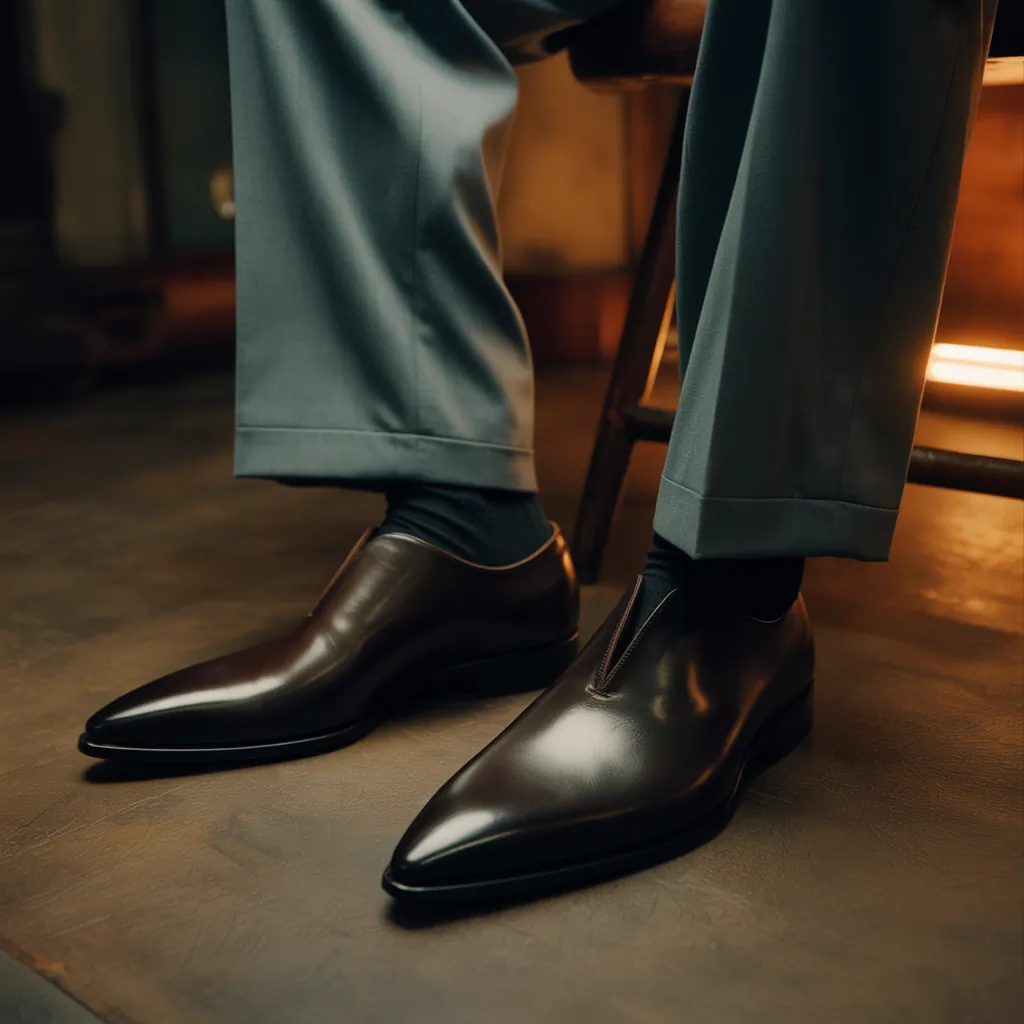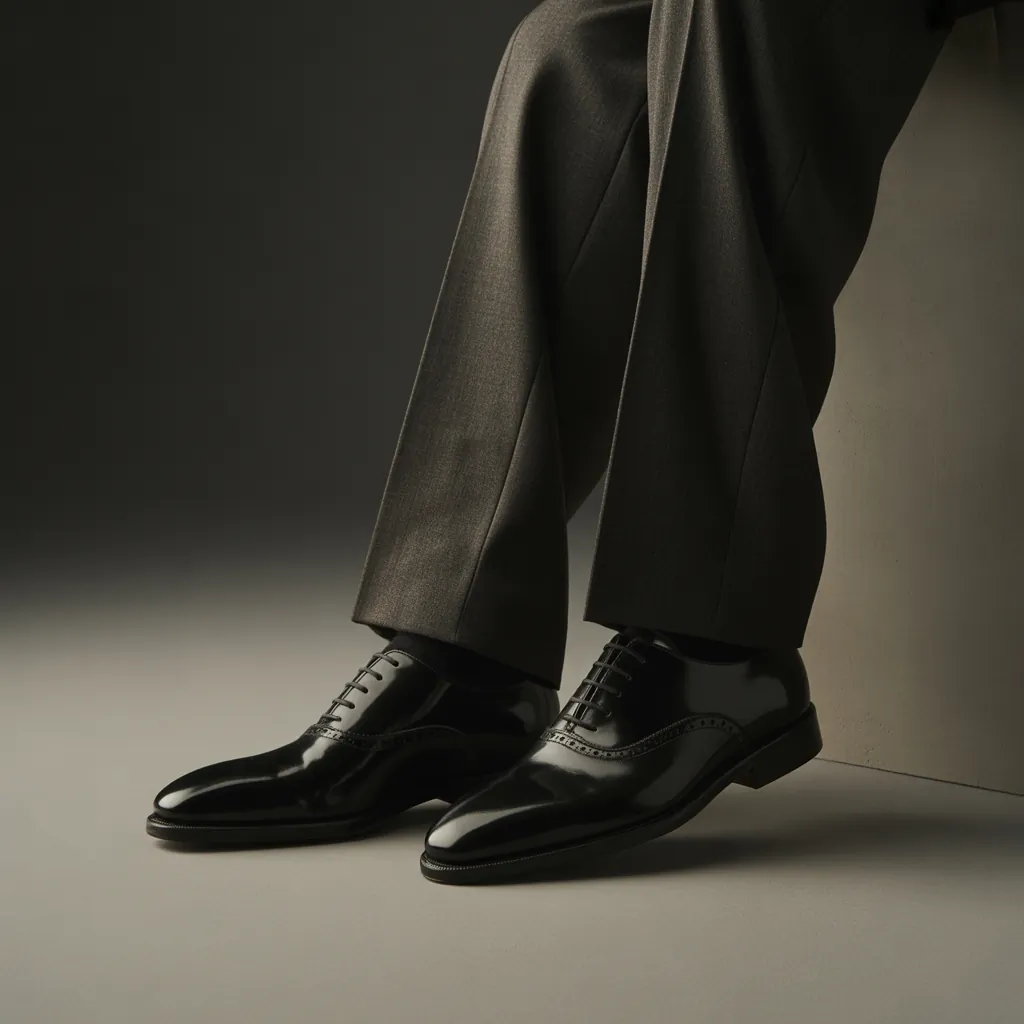
Ever stood in front of your closet wondering which pair will actually make a statement — not just today, but for years to come? Whether you’re rushing to a job interview, dressing for a date, or packing for a business trip, the right pair of designer shoes can change the way you feel and how others perceive you. In this guide I’ll walk you through choosing the best designer shoes for men, how to style them, and practical care tips so your investment pays off.
Why Invest in Designer Shoes?
Luxury footwear is more than a logo. High-end shoes typically use better materials, superior construction, and more thoughtful design. That translates into comfort, durability, and a cleaner silhouette that elevates every outfit — from a casual weekend look to a tailored suit.
Craftsmanship and Materials
- Full-grain leather and premium suedes last longer and patina beautifully.
- Stitched soles (Goodyear welt or Blake stitch) can be resoled, extending the shoe’s life.
- Attention to last, heel shape, and toe box equals better fit and posture.
Long-term Value
Think of designer shoes as an investment piece. While the upfront cost is higher, you’ll likely spend less over time if you rotate, maintain, and repair them. The resale market for limited or classic models can also recoup part of your investment.
How to Style Designer Shoes
Styling designer shoes is about balance. The shoes should complement the outfit, not overpower it. Here are ready-to-wear combinations that work for everyday situations.
Casual — Designer Sneakers
- White minimalist sneakers with slim dark denim and a cotton tee for a clean, modern look.
- Chunky designer sneakers work well with tapered joggers and an overshirt for a street-luxe vibe.
Smart Casual — Loafers & Chelsea Boots
- Slim chinos, a crisp button-down, and leather loafers (no-show socks or loafer socks) for relaxed meetings or dinner.
- Suede Chelsea boots with a wool coat and tailored trousers create a polished, slightly rugged ensemble for cooler months.
Formal — Oxfords & Derby Shoes
- For suits, opt for cap-toe Oxfords in black or oxblood. Keep the shoe silhouette simple and sleek.
- Brogues can add personality to less formal suits — choose darker tones and minimal embellishment for work-friendly outfits.
Styling Tips That Make a Difference
- Match the formality of your shoes to the event: sneakers are casual, Oxfords are formal.
- Pay attention to leather color and belt matching — you don’t always have to color-match exactly, but aim for tonal harmony.
- Mind the trouser break. A clean break showcases your shoes; too much fabric hides them.
- Use socks to complement or contrast — patterned socks can add personality to a neutral outfit.
Choosing the Right Pair: Fit, Shape, and Function
Buying designer shoes is less about labels and more about fit and purpose. Here’s what to consider before you buy.
Fit and Sizing
- Always try shoes on later in the day — feet swell throughout the day.
- Allow some room in the toe box; your toes should not be cramped.
- Consider half sizes and different lasts — brands fit differently.
Silhouette & Use Case
Decide what role the shoes will play in your wardrobe:
- Daily office wear: sleek Oxfords or Derbies in neutral colors.
- Weekend and travel: designer sneakers or lightweight loafers.
- Seasonal: boots (Chelsea or chukka) for fall/winter, suede loafers for summer.
Material Choices
Leather vs. suede vs. technical fabrics — each has pros and cons. Leather is durable and dressy, suede adds texture and looks great with casual tailoring, while technical fabrics and mesh offer breathability for sporty or travel-focused designs.
Care, Maintenance, and Real-World Advice
How you care for your shoes determines how long they last. Small habits make a big difference.
- Rotate your shoes — wear a different pair every other day to allow leather to breathe and recover.
- Use cedar shoe trees after each wear to maintain shape and absorb moisture.
- Clean and condition leather regularly; apply a protective spray to suede.
- Resole or repair early — addressing worn soles or loose stitching prolongs life and preserves value.
Practical tips for travel: pack shoe bags, stuff shoes with socks to keep shape, and choose a comfortable designer sneaker for long airport days.
Where to Buy and What to Avoid
Shop from reputable retailers and official brand boutiques to ensure authenticity. Avoid unknown marketplaces with suspiciously low prices, and watch out for common replica signs (stitching quality, box inserts, and scent of the leather).
If you want curated recommendations, check these guides on our site: Best Designer Sneakers, Leather Care Guide, and Men’s Style Guides.
Frequently Asked Questions
1. Are designer shoes worth the money?
Yes, when you buy thoughtfully. Designer shoes often use higher-quality materials and construction that offer better fit, durability, and reparability. If you rotate and maintain them, they can be more cost-effective over time than cheap, disposable footwear.
2. How do I break in new leather shoes without getting blisters?
Wear them in short increments at first, use thick socks and a leather conditioner, and consider heat molding (if recommended by the brand). Shoe stretchers and adhesive blister pads can also help during the break-in period.
3. Can designer sneakers be dressed up?
Absolutely. Minimalist, low-top designer sneakers in neutral colors can pair well with tailored trousers and blazers for a smart-casual look. Avoid overly chunky or flashy sneakers when trying to dress up an outfit.
Conclusion — Make Designer Shoes Work for You
Designer shoes are more than status symbols — they’re tools that shape how you look and feel. Choose pairs that align with your lifestyle, invest in fit and craftsmanship, and commit to proper care. Ready to upgrade your footwear and build a capsule shoe rotation that lasts? Browse our curated picks and care guides to find the right designer shoes for your wardrobe.
Explore our collections: Best Designer Sneakers | Style Guides. Sign up for updates to get seasonal tips and exclusive styling advice.