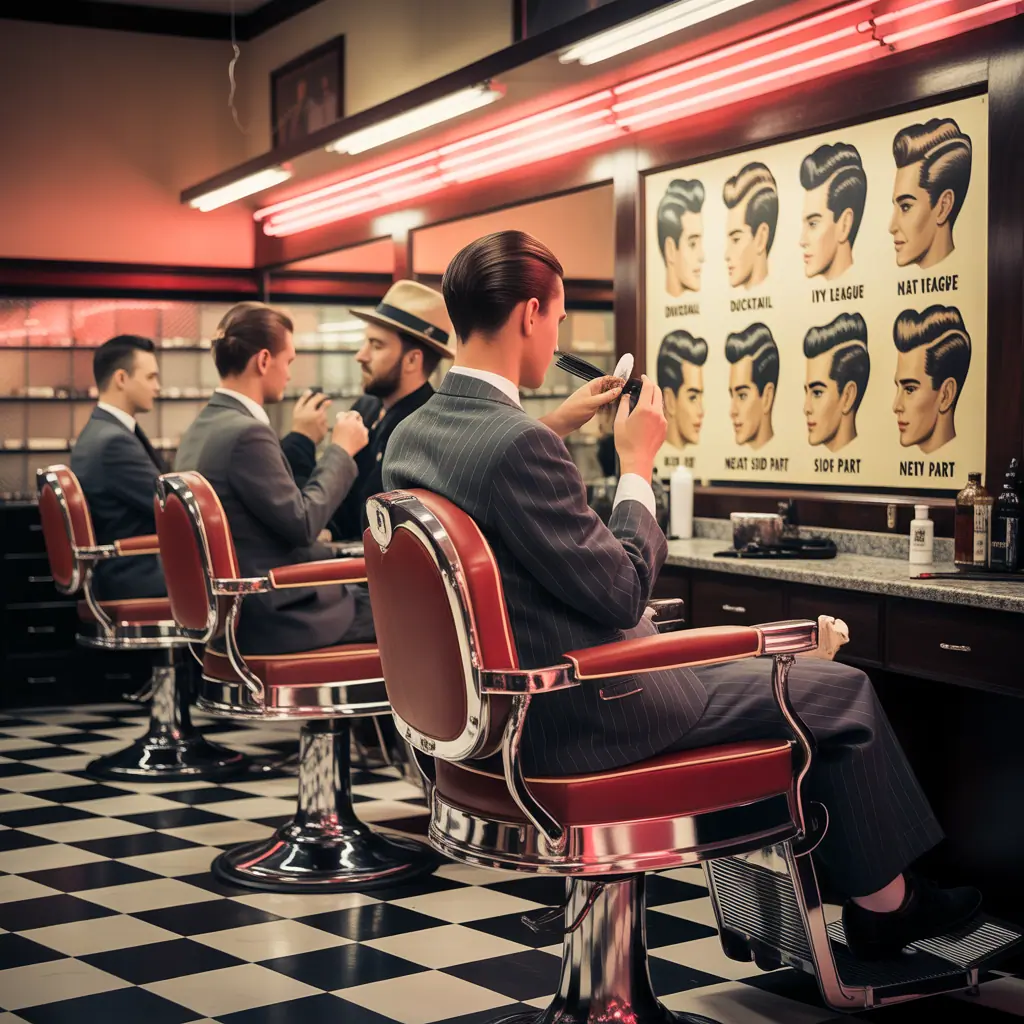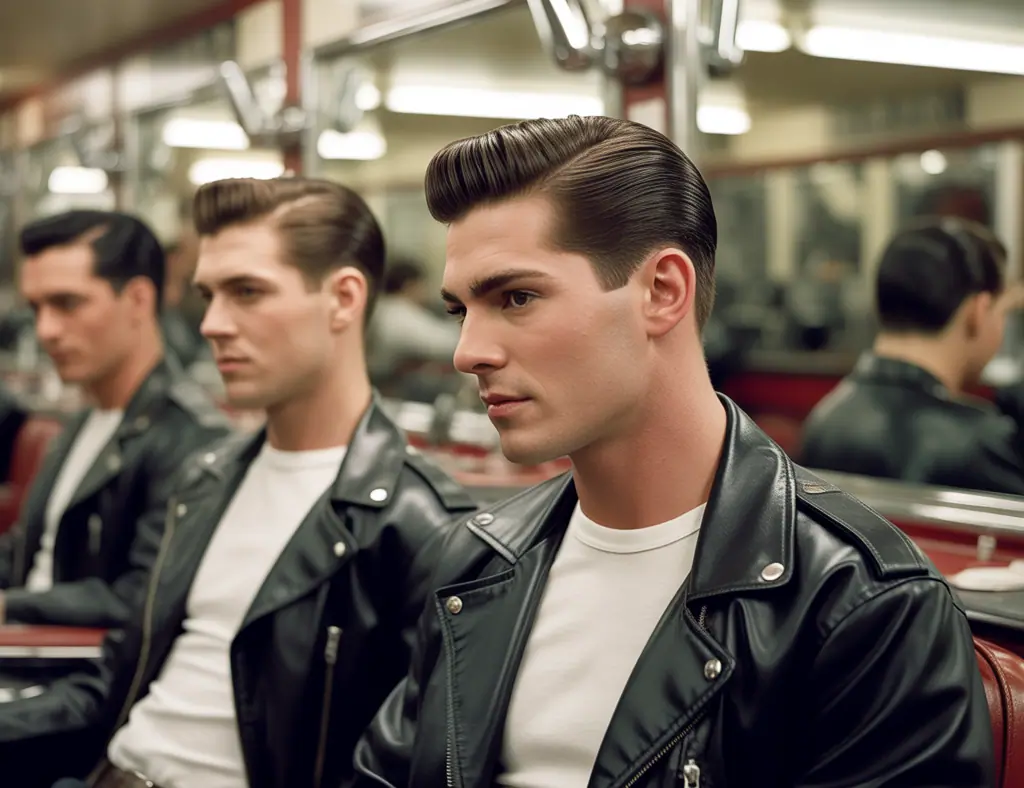
Ever scroll through a vintage photo and think, “How does that guy make his hair look so effortless?” If you’ve ever wanted to channel that polished, masculine vibe—without looking like you’re wearing a costume—you’re in the right place. Whether you’re into the rockabilly pompadour, the clean side part, or the low-key crew cut, these 1950s mens hairstyles are timeless styles you can adapt for today.
Why 1950s Mens Hairstyles Still Work Today
The 1950s set a blueprint for men’s grooming: structure, volume, and neat lines. These vintage men’s haircuts are versatile, flattering for many face shapes, and easy to modernize. From the greaser aesthetic to the Ivy League look, each cut emphasizes grooming and confidence—qualities that never go out of style.
Popular 1950s Mens Hairstyles
Pompadour (Rockabilly Pompadour)
The pompadour is high on volume at the front and tapered on the sides. It’s the iconic “greaser” look popularized by musicians and actors. For a modern twist, go for a softer height and matte finish instead of heavy shine.
Classic Side Part
A deep side part with a combed, sleek finish—this is your go-to for business or smart-casual looks. It’s sometimes called the “gentleman’s part” and pairs exceptionally well with suits, pea coats, and leather shoes.
Crew Cut & Ivy League
Short on the sides and slightly longer on top, the crew cut and Ivy League are ideal if you want low maintenance without losing that 1950s charm. The Ivy adds a touch of styling on top so you can sweep or part the hair for more refinement.
Taper Fade (Vintage Taper)
A tapered back and sides with more length on top gives a clean silhouette. The vintage taper is subtle and wearable for almost every workplace and style scenario.
How to Get the 1950s Look Today
Translating vintage photos to a modern haircut means adapting length, texture, and product. Here’s a practical step-by-step:
- Bring a photo: Show your barber the exact era and style—reference images help avoid miscommunication.
- Consider your hair type: Thick hair holds a pompadour better; fine hair benefits from a shorter side part or textured Ivy League.
- Ask for a tapered or faded side: That clean boundary is key to the 1950s aesthetic without being dated.
- Get length on top that you can style: Even classic cuts need some top length (2–4 inches) to shape and hold.
Styling Products & Tools
Products make the difference between a costume and an everyday classic. Avoid overly shiny greases unless you’re specifically going for rockabilly stage presence.
- Pomade: Water-based pomades offer hold with less grease and easier washout. Great for pomps and slick side parts.
- Matte clay or paste: Ideal for textured Ivy League styles and a more natural finish.
- Comb and blow dryer: Use a comb to create a precise part; a blow dryer builds height and sets the shape.
- Beard & neck trimmer: Keep the lines crisp for that polished vintage look.
Outfit Combinations to Match Your 1950s Mens Hairstyles
To fully sell the style, coordinate your haircut with complementary outfits. Here are simple, real-world pairings:
- Rockabilly Pompadour: Slim dark jeans, white T-shirt, leather jacket, and classic boots. Add sunglasses for odd weekend swagger.
- Classic Side Part: Oxford shirt, tailored blazer, chinos or a two-piece suit for a modern business-casual rotation. Leather loafers finish the look.
- Ivy League / Crew Cut: Crewneck sweater, button-down, khakis, and white sneakers—smart, collegiate, comfortable.
- Vintage Taper: Versatile; pair with a wool overcoat for colder months or a simple Henley and denim in warmer weather.
Maintenance & Barber Tips
To keep that retro look sharp without overdoing it:
- Schedule trims every 3–6 weeks depending on how fast your hair grows.
- Use a deep-clean shampoo once a week if you use pomade or heavier products frequently.
- Communicate with your barber: specify the length on top in inches and how tapered you want the sides.
- Adapt the style seasonally—shorter in summer, more volume in cooler months for a classic silhouette.
Frequently Asked Questions
Q: Can I pull off a 1950s pompadour with thin hair?
A: Yes—go for a softer, lower pompadour and use volumizing products like a lightweight mousse before blow-drying. A textured clay can add the appearance of fullness without weighing hair down.
Q: Which 1950s mens hairstyles suit round faces?
A: Styles with height on top—like a pompadour or a quiff—help elongate a round face. Avoid cuts that add width at the sides; instead, request tapered sides and more volume above.
Q: How do I modernize a vintage side part?
A: Soften the shine and reduce the height. Choose a matte pomade or paste, keep the part less severe, and sport slimmer lapels or contemporary tailoring to balance the throwback hair with modern clothing.
Bringing Vintage Into Your Everyday
Adopting 1950s mens hairstyles is less about costume and more about adopting a mindset: tidy grooming, intentional styling, and outfits that complement the haircut. Start small—try a modern side part one week and a textured Ivy the next. Keep a few product options at hand, and don’t hesitate to bring photos to your barber for clarity.
Want more help choosing the right haircut for your face shape or building outfits to match your new vintage look? Check out our Grooming Guide and Men’s Fashion pages for style plans, product recommendations, and barber conversation starters.
Conclusion: Make 1950s Mens Hairstyles Work for You
Classic doesn’t mean dated. The 1950s mens hairstyles bring structure, polish, and personality to modern wardrobes. Whether you aim for a full-on rockabilly pompadour or a subtle Ivy League, start with a consultation at your barber, choose products that suit your hair type, and pair the cut with outfits that reflect your lifestyle. Try one look for a month and refine it—confidence is the final accessory.
Ready to try a vintage look? Book a barber appointment this week, experiment with pomade or matte paste, and share your results. Tag us or drop a comment on our community page to show off your new style.