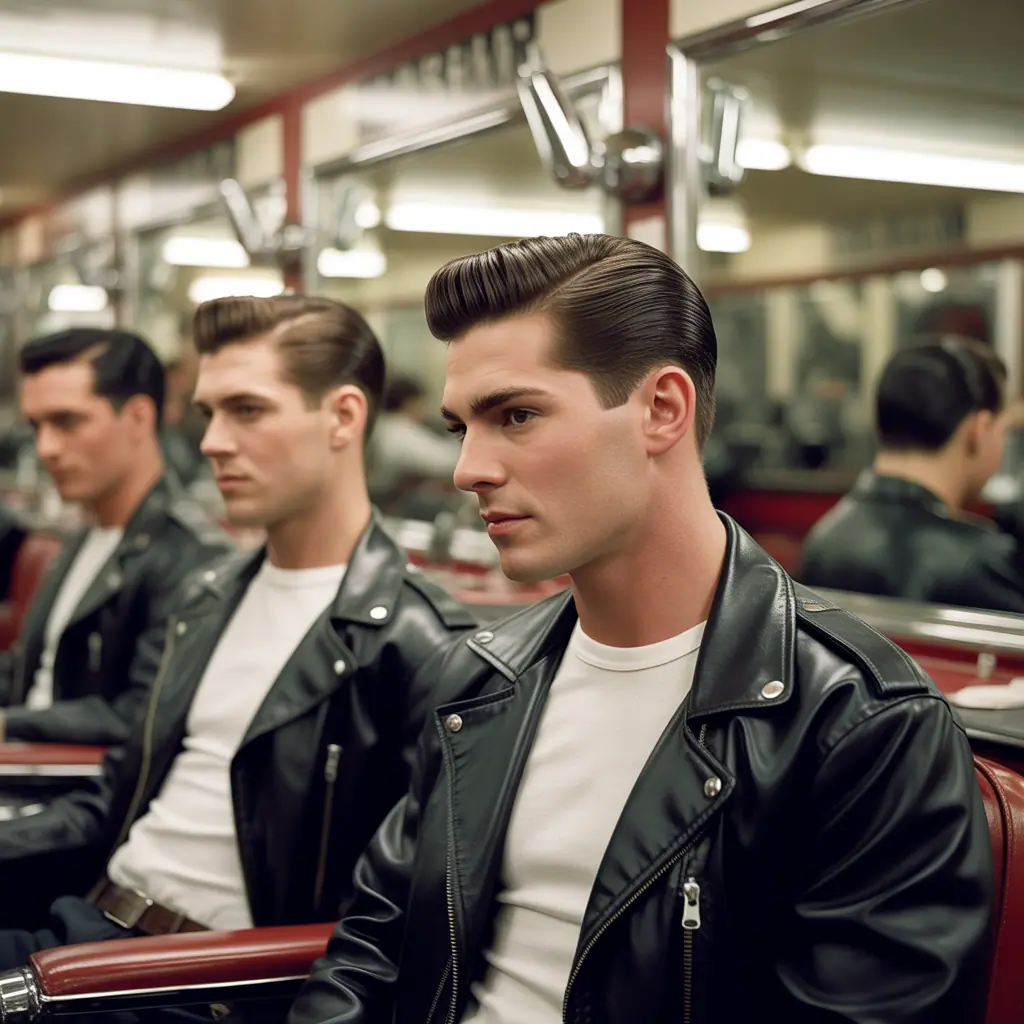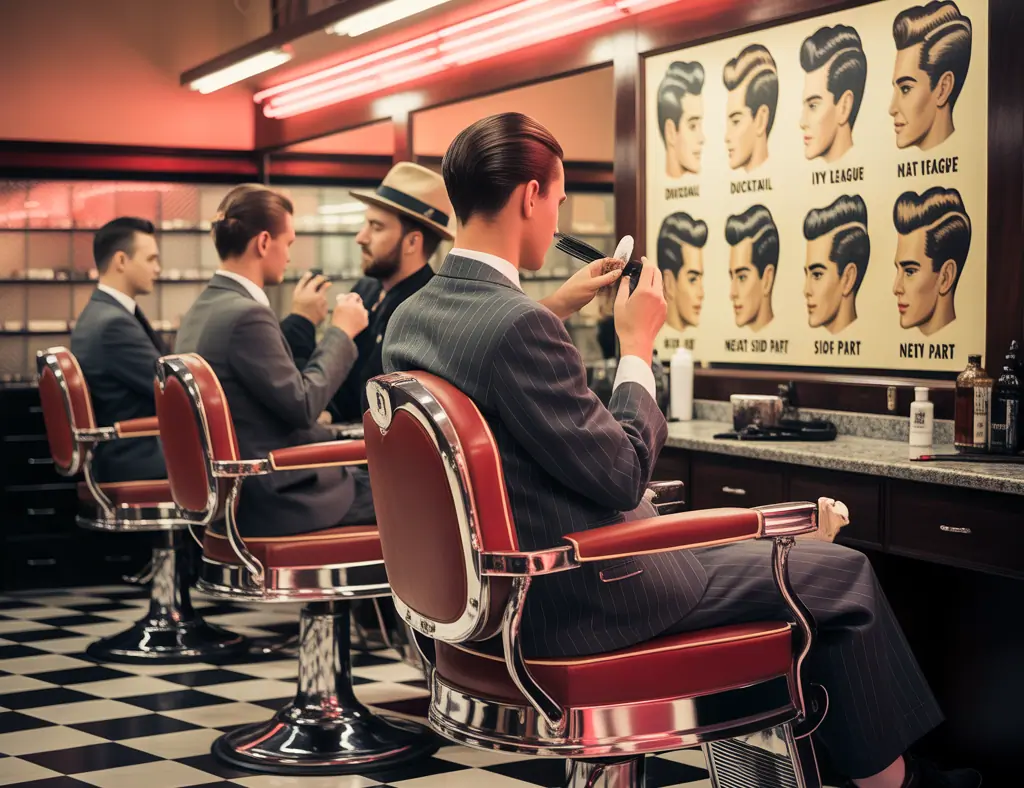
Ever stood in a barbershop chair, staring at a wall chart of old-school cuts and wondered which one will actually fit your face, lifestyle, and wardrobe? If you’ve ever wanted that clean, confident look from the golden era of men’s grooming, the 1950s barbershop chart is your treasure map — showing classic cuts like the pompadour, taper, and crew cut and telling you how to make them modern and wearable today.
What Is the 1950s Barbershop Chart?
The 1950s barbershop chart is essentially a visual guide used by barbers and stylists to show popular cuts and fading techniques from the 1950s. Think of it as a vintage haircut directory: images and diagrams that map lengths, clipper guard numbers, taper lines, and styling directions. Back then, barbers combined precise scissor work, clipper fades, and generous amounts of pomade to create structured, masculine looks.
Why vintage barber charts matter for modern men
- They teach proportion: where to leave length on top versus how short to go on the sides.
- They clarify barber talk: “taper,” “fade,” “disconnected,” and “line-up” become visual instead of vague.
- They help you translate a classic cut into modern fabrications—less oil, more texture.
Classic Styles on the 1950s Barbershop Chart
The chart typically includes staples such as:
- Pompadour: High volume on top with tidy sides—ideal for square or oval faces.
- Tapered Side Part: Clean, professional, and versatile—works with suits or casual denim.
- Crew Cut: Low-maintenance but still classic, often shown with a tight temple fade.
- Slick Back: Smooth, combed-back hair secured with pomade for a sleek profile.
How to Read a 1950s Barbershop Chart (and Ask for the Right Cut)
Modern barbers understand clipper guards and scissor lengths, but to get the look in the chart you should:
- Bring a photo: a calm, straight-on shot from a vintage magazine or a screenshot of a chart is invaluable.
- Describe the length: use fingers to show how much you want on top and sides (one inch, two inches, etc.).
- Name the technique: “low taper with a classic pompadour” or “short crew with a 0.5 fade at the temples.”
Barber-speak made simple
If the chart shows numbers, those often correspond to clipper guards. Ask your barber for the guard number for the shortest part and then say “blend up to scissors on top.” That gets you the exact proportions shown on the vintage chart.
Style Tips: Make 1950s Cuts Work for Today
Translating retro style into modern outfits is half the fun. Below are practical styling tips and outfit combinations that match classic haircuts.
Product recommendations
- Matte pomade or hair clay for textured pompadours (less grease, more hold).
- Light shine pomade for a slick-back if you want that glossy 50s finish.
- Sea salt spray and blow dryer for natural volume without heavy product.
Outfit combinations that complement the 1950s barbershop chart
- Pompadour + Bomber jacket: Pair a voluminous pompadour with a lightweight leather or nylon bomber, slim chinos, and white sneakers for a smart-casual vibe.
- Tapered side part + Tailored suit: For a sharp office or wedding look, combine a tapered side part with a navy two-piece suit, oxford shirt, and cap-toe brogues.
- Crew cut + Workwear: Short crew cuts go perfectly with rugged denim, a chambray shirt, and brown work boots for weekend ease.
- Slick back + Casual luxury: Slick back hair pairs well with a knitted polo, tailored trousers, and loafers for a modern-retro aesthetic.
Maintenance: Keep the Look Fresh Without Overdoing It
Classic cuts look best when maintained:
- Schedule trims every 3–6 weeks depending on the cut.
- Use a lightweight shampoo and conditioning routine—don’t strip natural oils daily.
- Apply styling product sparingly: warm it between palms first, then comb through to avoid a greasy halo.
Daily styling routine
For most 1950s-inspired styles you’ll want a quick blow dry for volume (direction matters—back or slightly to the side), then work in product with a comb for a clean finish or fingers for texture. A light hairspray can lock a shape without stiffness.
Where to Find Authentic Barbershop Charts and Inspiration
Vintage barbershop charts show lineage and technique. You can discover authentic reference material in barber academies, retro barber shops, or curated collections. If you’re building a mood board, save images to show your barber and pair them with modern looks from style archives.
For more outfit ideas that pair with vintage haircuts, check out these posts: Vintage 1950s Style Guide, Men’s Haircare Basics, and Modern Barber Trends.
Frequently Asked Questions
1. What exactly is a 1950s barbershop chart used for?
A 1950s barbershop chart is a visual reference that shows classic mens’ haircuts, clipper guard lengths, and shaping techniques. Barbers use it to communicate proportions and styling intent, and clients use it to pick the right vintage look.
2. Can I adapt a 1950s haircut to modern thin or curly hair?
Yes. A skilled barber will adapt the cut to your hair texture—thinning techniques and shorter sides help balance thin hair, while textured pomades and strategic layering can tame or enhance curls to fit a vintage silhouette.
3. How often should I get a trim to maintain a 1950s-style haircut?
Plan on trims every 3–6 weeks. A pompadour or slick back may need more frequent shaping to keep the proportions right, while a crew cut can last longer between appointments.
Conclusion — Own the Look from the 1950s Barbershop Chart
Whether you’re recreating a pompadour or modernizing a tapered side part, the 1950s barbershop chart gives you a roadmap to timeless masculinity. Use the chart to communicate with your barber, pair the haircut with appropriate outfits, and maintain the look with the right products and trims. Ready to try a vintage cut? Save a chart, book that barber, and start with one classic piece from your wardrobe—maybe a well-fitted jacket or crisp oxford—and let the hair do the talking.
Liked this guide? Explore more about retro style and grooming in our posts: Vintage 1950s Style Guide and Men’s Haircare Basics. Subscribe for weekly tips and barbershop insights.