Ever stood in front of the mirror thinking, “Which classic haircut would actually fit my life and style?” Whether you want a vintage vibe for a wedding, a modern throwback for everyday wear, or a signature look that ages well, understanding the evolution of men’s haircuts from the 1930s through the 2000s gives you a toolbox of looks that work now. This guide breaks down iconic styles, how to ask your barber for them, and what to wear with each—so you leave the chair looking intentional, not costume-y.
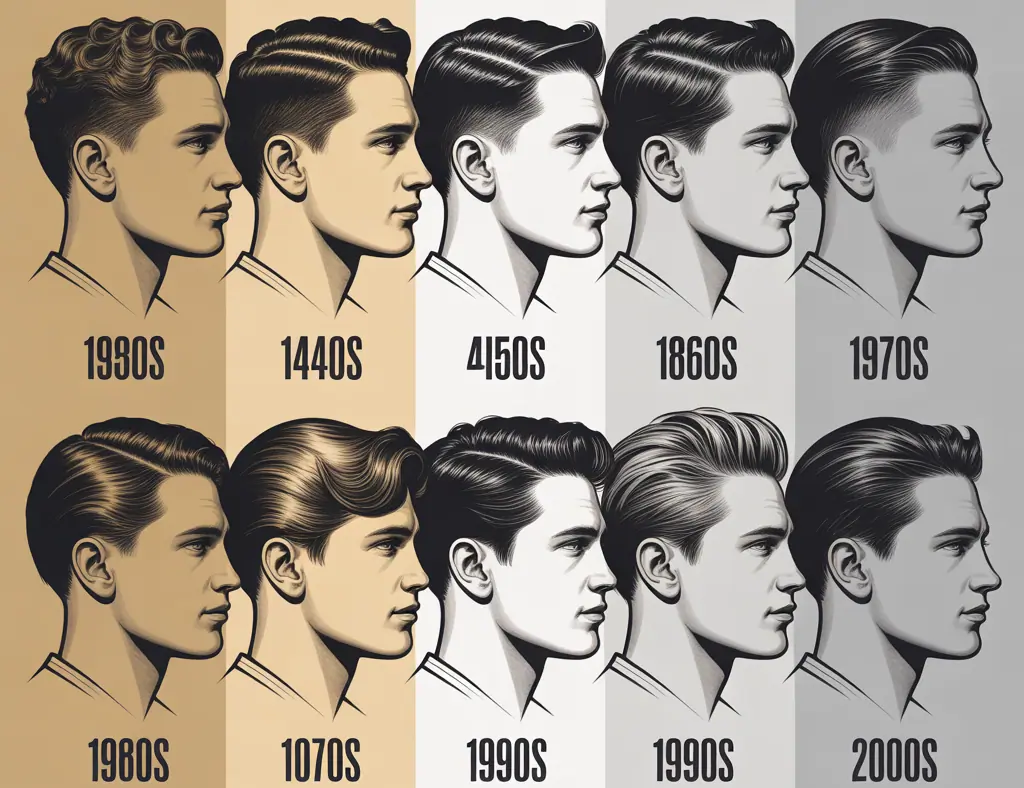
1930s-2000s mens hairstyles: decade-by-decade breakdown
1930s — Slick sophistication
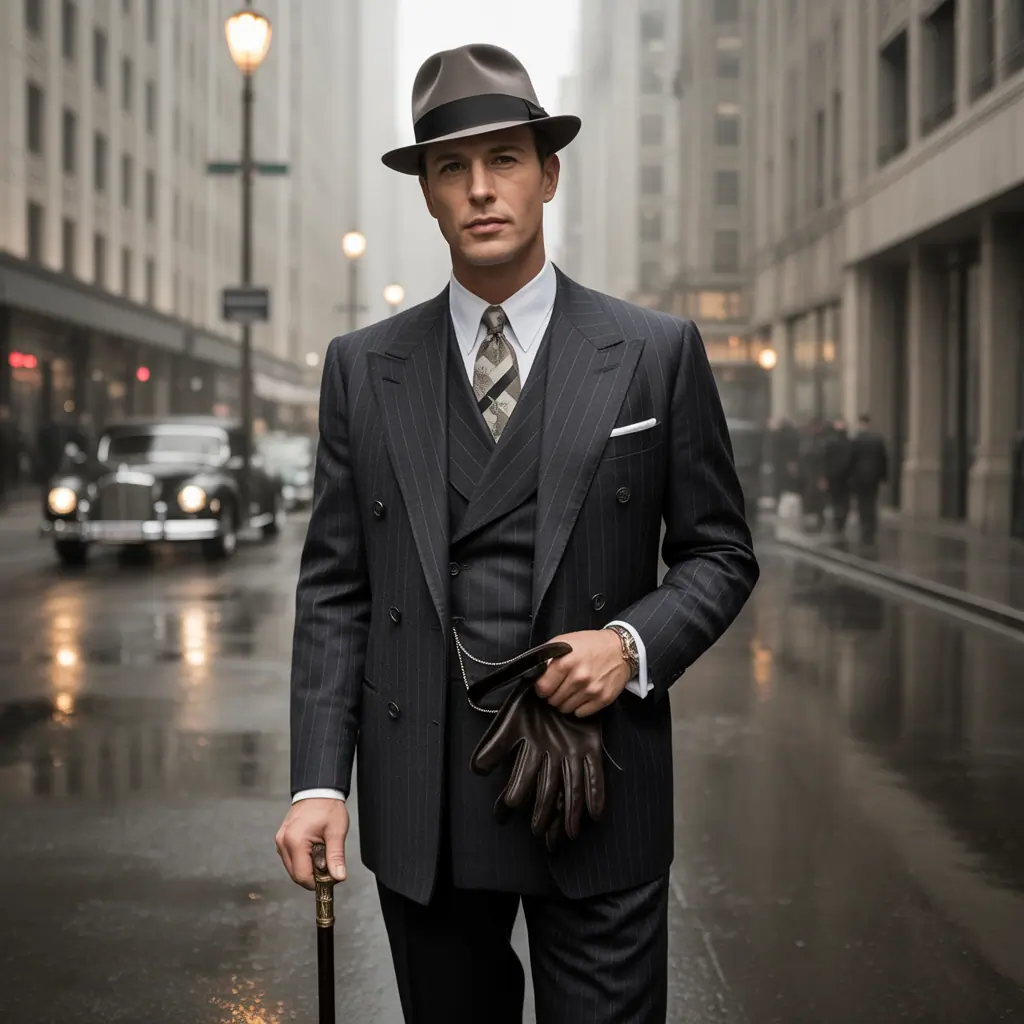
The 1930s favored clean, side-parted styles with a low shine. Think carefully combed hair, defined side parts, and controlled waves for thicker hair. Ideal for formal occasions and business attire.
- How to get it: Ask for a medium-length top with tapered sides and a defined side part. Use a medium-hold pomade or cream for a natural sheen.
- Outfit pairing: Triple-button suit, pocket square, and polished oxford shoes.
- Best for: Oval and rectangular faces; fine to medium hair worked with a light volumizer.
1940s — Military neatness
War-time practicality brought tightly cropped sides and a modest top length—still smart but easier to maintain.
- Styling tip: Use a matte paste and a short brush-over for a tidy, no-fuss look.
- Outfit pairing: Wool coats, sturdy boots, and classic knitwear.
1950s — Pompadour and greaser edge
The 1950s introduced volume: pompadours and quiffs dominated. This era is perfect if you want statement hair with a retro-jump to modern style.
- How to get it: Longer top, short sides. Blow-dry the top for lift and lock it with a high-hold pomade or wax.
- Outfit pairing: Leather jacket, slim jeans, white tee, or a narrow-lapel suit for a dressier take.
1960s — Mod and mop-top
From the polished mod cut to the Beatles mop-top, the 60s introduced more playful, longer silhouettes for men.
- Styling tip: A round brush and medium cream for shape; let the hair fall naturally for that unforced cool.
- Outfit pairing: Slim suits, turtlenecks, or tailored casual separates.
1970s — Long layers and texture
The 70s went longer and looser—flowy layers, feathered cuts, and natural texture. Great if you prefer a relaxed, bohemian aesthetic.
- How to maintain: Regular trims to keep layers lively, sea salt spray for beachy texture.
- Outfit pairing: Flared trousers, patterned shirts, and suede boots or loafers.
1980s — Bold volume and experimentation
Think big hair, mullets, and influential pop icons. The 80s were about expression—use sparingly for a contemporary twist.
- Styling tip: Use volumizing powder or mousse; combine with tailored streetwear to avoid costume vibes.
1990s — Grunge, curtains, and minimalist cuts
The 90s favored middle parts, textured curtains, and simple cropped looks. It’s a low-maintenance era that translates well into modern casual styles.
- Outfit pairing: Flannels, relaxed jeans, sneakers—an easy-going complement to the haircut.
2000s — Spikes, frosted tips, and clean fades
The early 2000s mixed textured spikes, faux hawks, and sharp fades. A versatile decade that offers both messy and polished options.
- How to modernize: Replace heavy gel with matte clay for separation without the wet look.
- Outfit pairing: Slim chinos, polos, layered tees, or a smart blazer for date night.
How to pick the right retro or modern cut
Choosing between vintage men’s hairstyles 1950s pompadour or a 1990s curtain depends on three things: your hair texture, face shape, and lifestyle. Here’s a simple checklist:
- Hair texture: Thick hair supports volume (pompadour, 70s layers). Fine hair benefits from shorter, slick styles (1930s, 1940s).
- Face shape: Round faces suit height on top; long faces need width at the temples.
- Maintenance: Be honest—do you want a daily dry and style routine or a wash-and-go approach?
Practical styling advice & grooming essentials
To actually pull these looks off day-to-day, invest in a few basics: a quality comb, a blow dryer with heat settings, matte paste, pomade (water-based preferred), sea salt spray, and a regular barber. Bring photos to your barber—saying “like James Dean” isn’t the same as a clear reference.
For more grooming tips, check out our articles on modern barbering and beard styles that pair well with classic cuts.
Styling outfits to match your haircut
Matching wardrobe to hairstyle keeps your look cohesive:
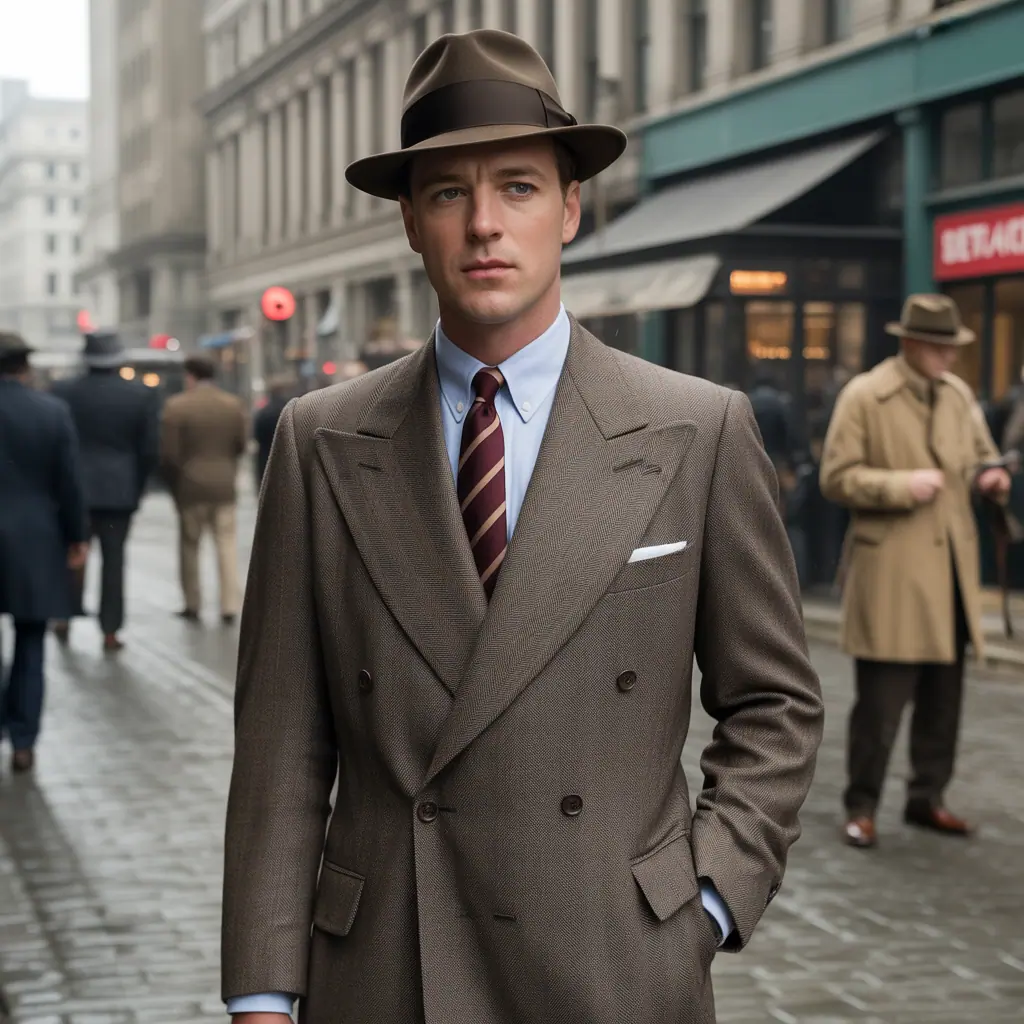
- Classic side-part (1930s/40s): Tailored suits, Oxford shoes, minimal accessories.
- Pompadour/quiff (1950s): Leather jackets or fitted blazers; slim denim.
- Long layers (1970s): Casual boho—linen shirts, suede boots.
- Curtains/grunge (1990s): Relaxed shirts, layered flannels, work boots.
- Textured modern (2000s): Smart-casual combos—blazer, tee, tapered trousers.
Frequently Asked Questions
1. Can I adapt a 1950s pompadour if I have thin hair?
Yes. Use volumizing products and strategic cutting—shorter sides with slightly longer top—plus a blow-dryer and low-hold mousse. A modern, lower-volume pompadour gives the vibe without requiring thick hair.
2. How often should I visit the barber to maintain retro styles?
Generally every 3–6 weeks. Classic tapered looks need more frequent upkeep (3–4 weeks), while longer 70s or 90s styles can stretch to 6–8 weeks with clean trims to maintain shape.
3. Which products are best for creating a natural 1930s slicked-back look?
Choose a light to medium-hold water-based pomade or grooming cream with low shine. Apply to damp hair, comb through for a clean side part, and finish with a soft-bristle brush for polish without stiffness.
Conclusion: Make these 1930s-2000s mens hairstyles your own
From the polished 1930s side part to the textured 2000s crop, studying these decades gives you endless options to fit your lifestyle and wardrobe. Try one look at a time—book a consultation with a barber, bring reference photos, and test products at home. Want more style inspiration or grooming product recommendations? Explore our posts on classic suits and styling and grooming product guide, and subscribe for a monthly dose of menswear and haircut advice.
Ready to commit to a vintage or modern revival? Book a barber consult, snap a before photo, and start shaping a look that feels like you.