Ever flipped through a vintage portrait and thought, “How can I make that look work in 2026?” Whether you’re prepping for a themed event, building a heritage-inspired wardrobe, or just curious about classic grooming, exploring 1800s mens hairstyles reveals surprising style lessons for modern men. These are more than museum pieces — they’re practical, flattering looks you can adapt to contemporary haircuts, facial hair, and outfits.
Why 1800s haircuts still matter (and how they influence modern style)
The 19th century covered a wide range of looks — from the short, natural waves of the Regency period to the full beards of the Victorian era. What ties them together is a focus on balance: proportion between hair, face shape, and clothing. Today’s mens fashion borrows the silhouette, grooming discipline, and product techniques (pomade, oils, combing) from that era. When you understand the foundations, you can borrow details — side parts, sculpted sideburns, or a slick back — without looking costume-y.
Popular 1800s mens hairstyles by decade
Early 1800s — Regency and Romantic curls
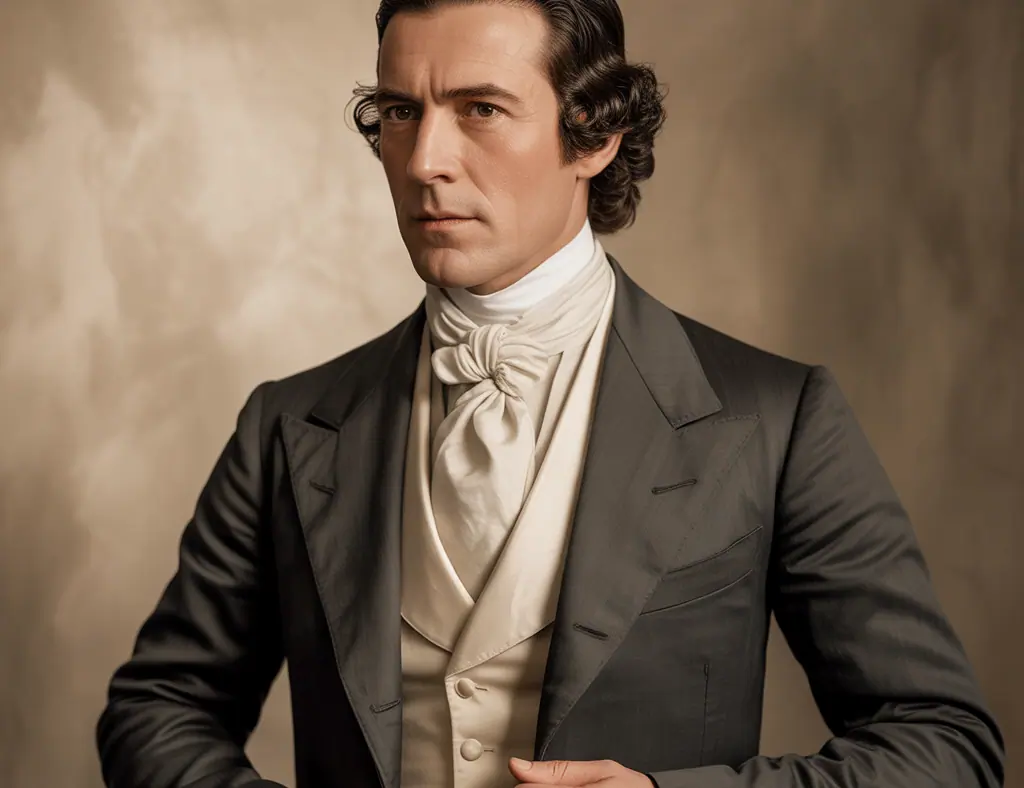
Characteristics: natural waves, medium length, clean side part. Men wore hair relatively short by later Victorian standards, often with a soft fringe or subtle curl at the forehead. Styling relied on natural texture and light pomade or oil.
Modern tip: Ask your barber for a medium-length top with textured layers. Use a lightweight cream or sea salt spray to revive natural waves, and finish with a matte pomade for hold.
Mid-1800s — Sideburns, mutton chops, and fuller styles
Characteristics: prominent sideburns (aka “side whiskers”), fuller hair on the temples, and the first widespread push toward facial hair. Men balanced fuller cheeks with shorter crowns.
Modern tip: Repurpose the sideburn idea with a tailored taper that emphasizes strong jawlines. Keep sideburns trimmed to a neat length that suits your face shape.
Late 1800s — Victorian beards and the slicked part
Characteristics: full beards early on, then a transition to shorter beards and sculpted moustaches. Slicked side parts with pomade became common for a polished, gentlemanly appearance.
Modern tip: For a true Victorian nod, grow a medium-length beard and use beard oil + balm to shape it. For a cleaner look, go with a hard side part and shine pomade to channel the late-century aesthetic.
How to translate 19th-century looks into everyday outfits
Pairing hair with clothing is the fast route to credible vintage style. Here are practical combinations that feel intentional, not costume-like.
Casual modern gentleman
- Hair: textured Regency-inspired waves or a relaxed side part
- Outfit: slim denim, a wool cardigan, white oxford shirt untucked at the hem
- Accessories: leather boots, a simple pocket watch-inspired necklace
Smart-casual with Victorian cues
- Hair: neat side part with low shine pomade
- Outfit: tailored blazer, waistcoat or sweater vest, dark chinos
- Accessories: leather brogues, structured satchel
Formal — heirloom-ready
- Hair: slick back or deep side part, perfectly groomed facial hair
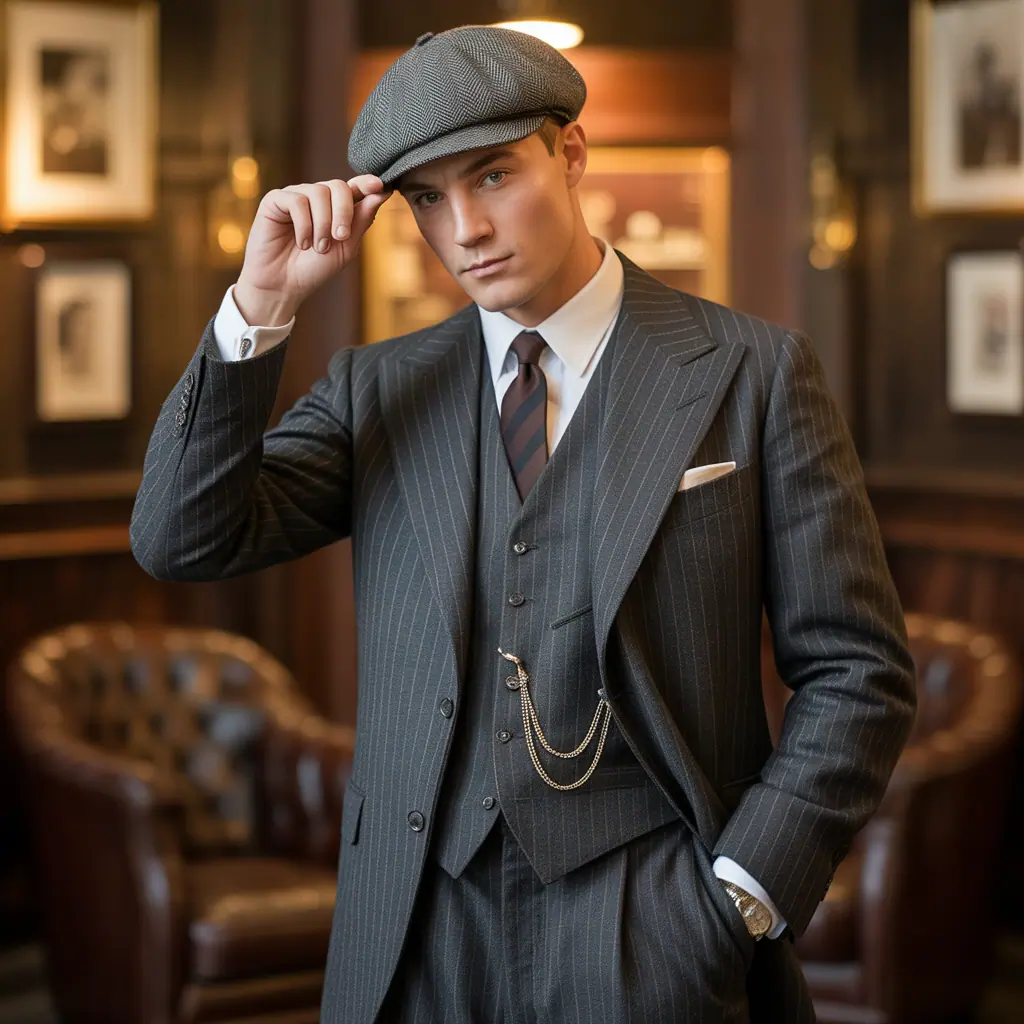
- Outfit: three-piece suit, high-collar shirt or cutaway, silk cravat or tie
- Accessories: cufflinks, pocket watch, polished dress shoes
Practical styling steps and grooming tips
Whether you want a Regency wave or a Victorian slick part, these steps will help you achieve an authentic, wearable result:
- Start with a consult: tell your barber the era you like (Regency, mid-1800s, Victorian) and show photos.
- Cut with intent: request textured layers for waves or a clean taper for parted looks.
- Use the right products: light creams and sea salt sprays for texture; pomade and pomatum for sheen; beard oil and balm for facial hair.
- Train the part: use a fine-tooth comb and a dab of product to lock a hard part in place.
- Maintain regularly: trims every 4–6 weeks, beard touch-ups every 2–3 weeks, and weekly deep conditioning.
Tools and products that recreate 1800s texture
Essential items: matte paste, medium-hold pomade, beard oil, wooden combs, and a good boar-bristle brush. For curls, a blow dryer with diffuser and a small round brush can create natural volume similar to 19th-century portraits.
1800s mens hairstyles — styling for different face shapes
Not every historical look will flatter your face. Here’s a quick guide:
- Oval face: most 1800s-inspired styles work well — try Regency waves or Victorian part.
- Square face: soften the jaw with textured top and shorter sides; avoid too much bulk at the temples.
- Round face: add height with volume on top and keep sides tapered; deep side parts create angles.
- Long face: avoid long fringes; keep some width at the temples with sideburns or soft waves.
Frequently Asked Questions
1. How different are 1800s mens hairstyles compared to today’s looks?
The basics are similar: part, texture, and grooming matter. What’s different is the grooming discipline (more pomade and oil) and a stronger link between hair and formal dress. Modern interpretations simplify these elements for daily wear.
2. Can I adapt Victorian hairstyles if I have thin hair?
Yes. Focus on cuts that add lift and texture on top, use volumizing products, and avoid heavy pomades that weigh hair down. A neat side part and trimmed facial hair can create structure without needing thick hair.
3. Which facial hair styles were common in the 1800s and how do I maintain them?
Common styles: mutton chops, full beards, sculpted moustaches, and prominent sideburns. Maintenance means regular trims, daily beard oil, combing, and occasional shaping with a trimmer or a barber visit.
Bringing 1800s style into your wardrobe
If you enjoyed exploring these looks, start small: try a deep side part for a week, grow your sideburns slightly, or swap your current coat for a tailored frock-style blazer. For more on grooming and facial hair, check out our guides: Men’s Beard Guide, Vintage Men’s Fashion, and Grooming Products.
Conclusion — Try one 1800s mens hairstyles look this week
Historic hair doesn’t have to stay in portraits. Whether it’s a Regency wave, a Victorian part, or a mid-century beard, 1800s mens hairstyles give you structured, masculine options that pair beautifully with modern tailoring. Pick one detail — a side part, a pair of sideburns, or beard oil — and make it your signature this week. Want help choosing the right look for your face and wardrobe? Leave a comment or book a consult with a barber who understands classic styles.
if you want to know about Professional Hairstyles Men then please visit our Menswear Category.